
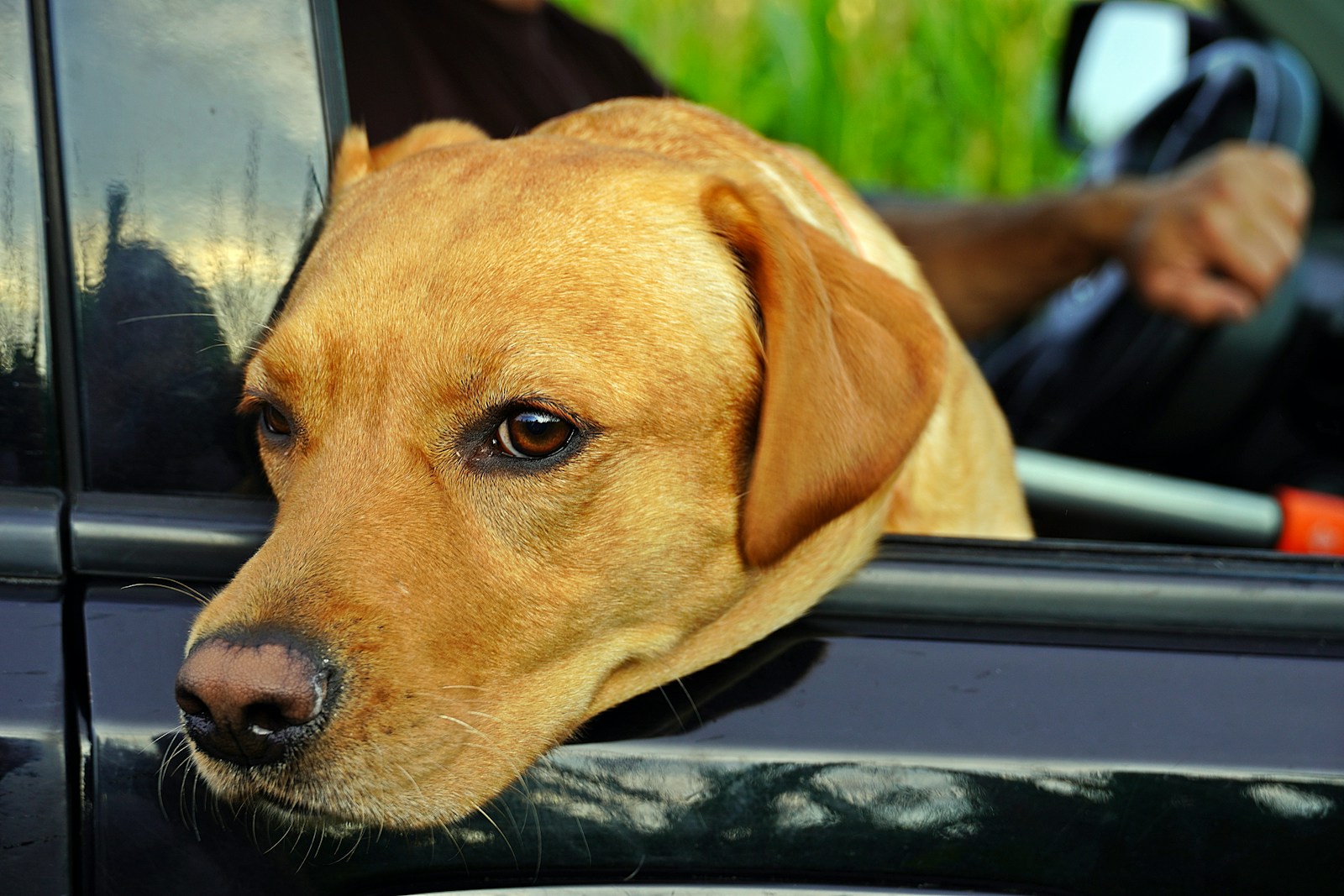

Pet owners love tossing the leash in the car and bringing their animals along for the ride, but those carefree trips can come with a nasty financial sting. From chewed wiring that bricks modern electronics to traffic fines and vet bills, drivers are being warned that a cute co-pilot can quietly turn into a four-legged money pit. The risk is not just about crashes or fur on the seats; it is about how pets interact with the car itself and how the law treats them once the engine starts.
As vehicles pack in more sensors and touchy software, the cost of repairing pet-related damage is climbing fast. Mechanics are now talking about repair bills of around $1,300 after a dog has a go at the wrong cable, while insurers and animal welfare experts are flagging the medical fallout when an unrestrained animal becomes a projectile in a collision. Add in penalties that can hit £2,000 for breaking little known rules about animals in cars, and that quick drive to the park suddenly looks a lot less cheap.
From chewed wires to shattered dashboards
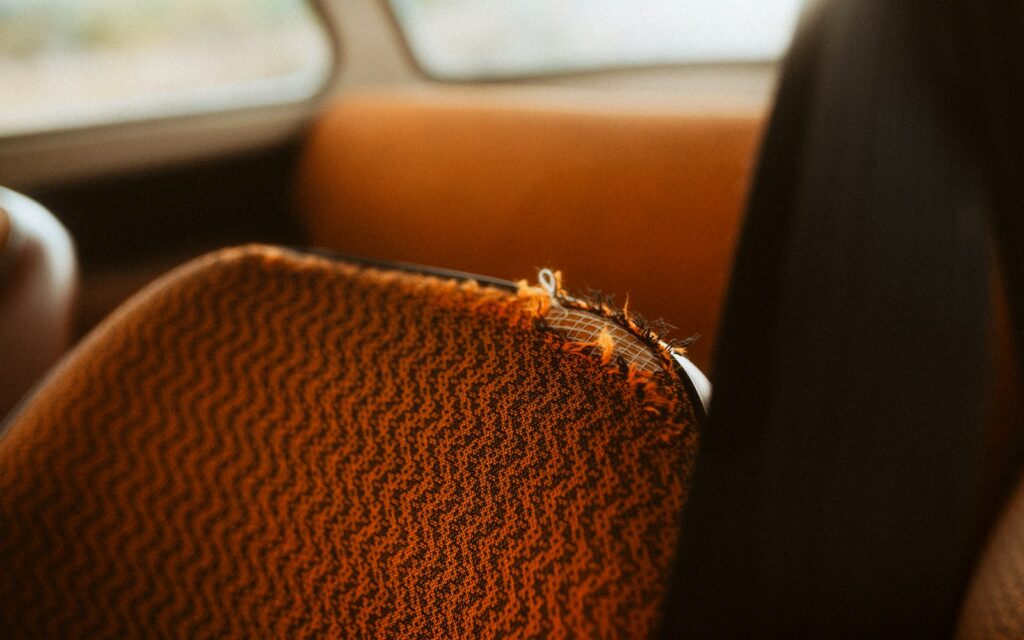
Owners tend to worry about muddy paws and scratched leather, but technicians are seeing far more expensive problems. Modern cars rely on dense bundles of wiring that run under seats, behind trim and through the cargo area, exactly where a bored or anxious dog likes to nose around. A Toyota mechanic has warned that a single chewing session on those harnesses can knock out safety systems and engine controls, leaving the owner staring at repairs worth up to $1,300. That figure is not an outlier for late model cars, where even a basic harness replacement can involve stripping half the interior.
The risk does not stop with one dog and one cable. In a separate advisory, drivers were told that letting PETS roam freely in the cabin can turn a fun trip into an Urgent repair job that again lands around $1,300 once diagnostics and labor are added. Those warnings sit alongside viral examples of damage that go even further, such as the Florida woman who woke up to find that two Dogs had torn apart a car interior while trying to reach a cat, leaving about $3,000 in wrecked upholstery and plastic panels. When pets panic, every surface becomes fair game, from seatbelts to door cards and even airbag housings.
Legal penalties and medical fallout
The financial hit is not only mechanical. In the United Kingdom, drivers are being reminded that failing to restrain a dog properly can bring a hefty civil penalty. One warning explained that a Dog owner who lets an animal sit on a lap or bounce around the cabin could face £2,000 fines under rules designed to keep drivers in full control of their vehicles. Reporter Joshua Searle highlighted that the rule often catches people by surprise, especially on short local trips when the animal simply hops into the front seat with their owner. That kind of penalty can easily rival a minor crash claim, and insurers may take a dim view if a driver ignored basic restraint guidance.
On the medical side, veterinarians are blunt about what happens when a loose animal meets a sudden stop. Specialists at Cornell University Veterinary in Stamford, Connecticut, describe Typical injuries that include broken limbs, head trauma and internal bleeding when pets are thrown around the cabin. Even when an animal walks away from a crash, vets warn that internal injuries can be hidden, so they advise thorough checks for any Pet that has been in a collision or even a hard braking event. Those exams and follow up treatments can climb into four figures, especially if emergency surgery or overnight monitoring is needed.
Simple habits that avoid expensive mistakes
Safety experts say most of these costs can be dodged with a few consistent habits. Guidance for motorists frames pets much like Infants and toddlers, arguing that they deserve dedicated restraints rather than a casual seat on a lap. Advice from one major insurer stresses that a harness clipped to a seatbelt or a secured crate in the rear keeps animals from distracting the driver and turning into airborne hazards, while also preventing them from jumping out of open windows or doors. That same guidance, available through a simple pet travel, also reminds owners that even a small object like a bug or pebble can injure an animal that is hanging its head out of the window at speed.
More from Wilder Media Group: