
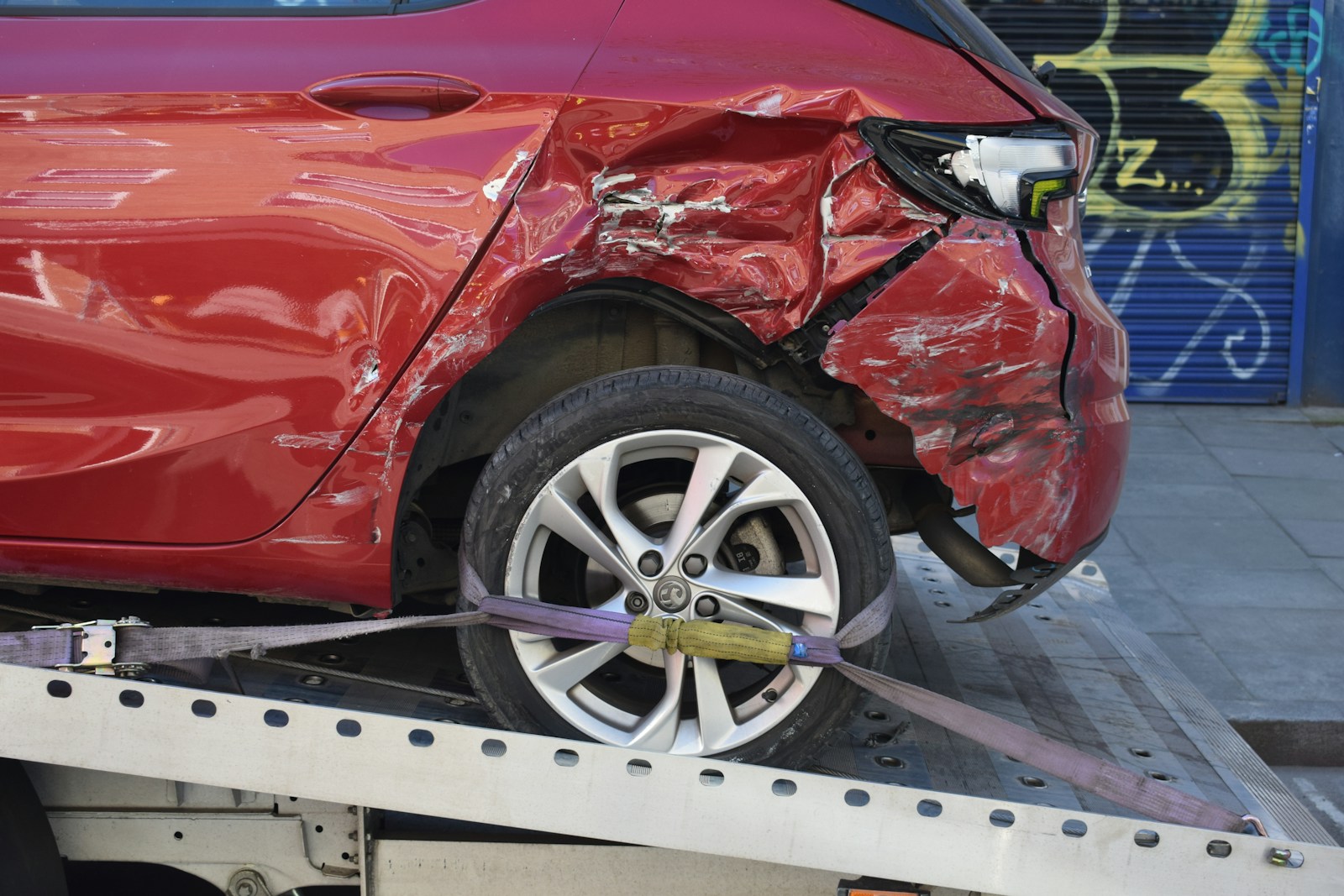

The crash itself was almost comically small. A quick jolt, a scrape of plastic, the kind of fender-bender you assume will be annoying for a week and then disappear into the folder of “adult stuff I dealt with.” Nobody was hurt, traffic kept moving, and the other driver even apologized right away.
Then the police report showed up, and suddenly the story looked… different. Not wildly different—no dramatic lies or made-up witnesses—but different in the way that matters to insurance companies. The phrasing suggested I’d contributed to the collision, just enough to smear a little blame in my direction.
What happened at the scene (and why it felt straightforward)
According to the driver who hit me, they’d glanced down for a second and didn’t realize traffic had slowed. That’s not a rare confession, and honestly, I appreciated the honesty. I gave my statement, exchanged information, and waited for the officer to arrive thinking this would be open-and-shut.
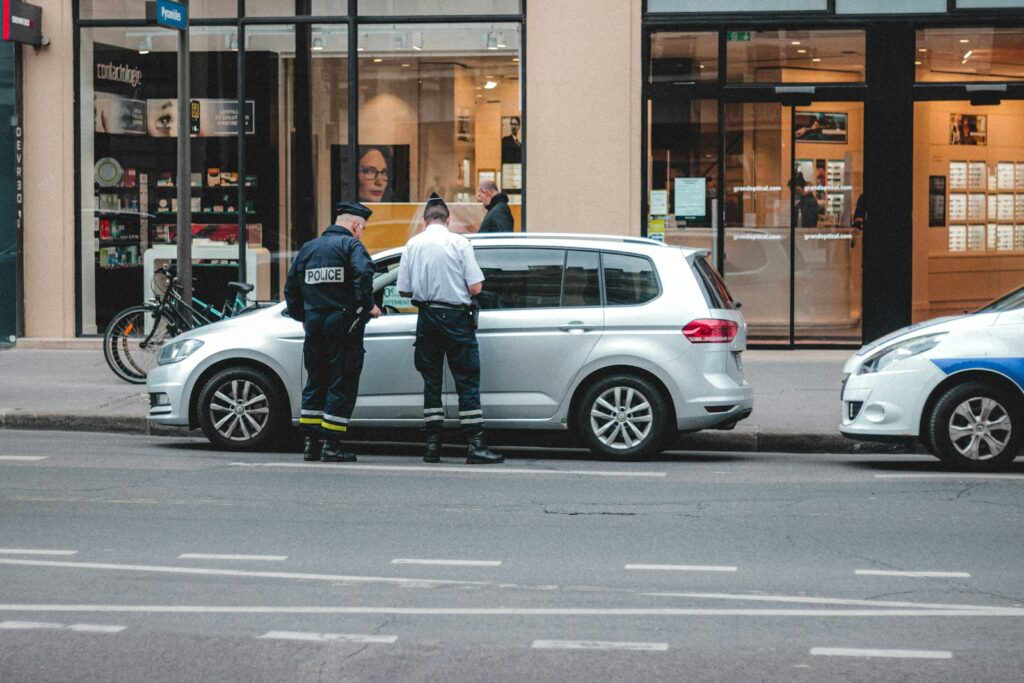
The officer was polite and efficient, the kind of professional presence you expect when your adrenaline is still doing the cha-cha. He asked the usual questions, looked at the damage, and wrote notes on a clipboard. I left the scene assuming the report would match what everyone had just said out loud.
Then the report arrived, and the wording hit like a second impact
The report didn’t claim I caused the crash. It did something sneakier: it sprinkled in language that made me sound less like the person who got hit and more like a participant in a shared mistake. Phrases like “Vehicle 1 slowed suddenly” or “Driver 1 failed to maintain consistent speed” can read like neutral observations, but they land like a suggestion of fault.
And here’s the thing—most people don’t realize how much power those tiny choices in wording have. Insurance adjusters aren’t reading your mind, and they aren’t usually re-creating the moment from scratch. They’re reading a narrative and looking for reasons to split liability, because “shared fault” is the easiest way to make a claim cheaper.
Why an officer’s report can feel “off” even when they’re not being malicious
It’s tempting to assume the officer was biased, or just didn’t like me, or woke up choosing chaos. Sometimes, sure, personalities and snap judgments play a role—officers are human. But a lot of the time, it’s more boring than that: they’re rushing, they’re juggling multiple calls, and they’re writing in a standardized style that can accidentally imply blame.
Also, officers often arrive after the key moment happened. They’re piecing together the story from statements, damage patterns, and whatever they can observe in a few minutes. If they don’t witness it, they may default to language that sounds cautious and “balanced,” even when one driver clearly caused the collision.
The real problem: insurance companies treat “partial” as permission
When the report suggests you contributed—even slightly—it can nudge the claim into comparative negligence territory. In plain English, that means your payout can shrink, your deductible situation can get weird, and your premiums might climb, all because of a sentence that sounds like it was written by someone trying to be thorough.
And even if the other driver admits fault at the scene, that doesn’t always follow them into the official paperwork. People get nervous, change their story, or suddenly “remember” details once they’re home and thinking about their rates. The police report becomes the tie-breaker more often than it should.
What people don’t realize about “facts” versus “opinions” in a report
Police reports usually mix hard facts (date, location, vehicle positions, visible damage) with interpretations (contributing factors, driver actions, “failed to yield,” “unsafe speed”). The facts are harder to argue with; the interpretations are where things get squishy. And squishy is exactly where fault gets redistributed.
Sometimes the officer’s narrative is less important than the checkboxes—those little fields that say “contributing circumstance” or “driver action.” If your report has a box checked that implies you did something wrong, insurers may treat it like a flashing neon sign, even if the narrative sounds mild.
How drivers are pushing back—and what actually works
The first step is painfully unglamorous: get a copy of the report as soon as you can and read it like an insurance adjuster would. Don’t skim it the way you skim terms and conditions. Look for loaded phrasing, incorrect diagrams, wrong street names, or anything that suggests you broke a rule you didn’t break.
Then, start building a paper trail. Photos from the scene, dashcam footage (your own or nearby vehicles), timestamps, and witness contact info can do more than arguing ever will. If the report says you “changed lanes,” but your photos show you were stopped behind a line of cars, that’s the kind of contradiction that can actually move the needle.
Many departments allow you to request a correction or submit a supplemental statement. It’s not guaranteed they’ll rewrite the report, but getting your version formally attached can help when an insurer reviews the file later. A calm, specific note—“The report states X; evidence shows Y; please add this as a supplement”—goes farther than a frustrated rant, even if the rant is emotionally accurate.
A quiet hero in this situation: your own insurer (sometimes)
It feels backward, but your insurance company can be a useful ally if you’re not at fault and you’ve got evidence. They may advocate on your behalf with the other carrier, especially if the report is muddy but the damage patterns and photos tell a clearer story. Adjusters see these “wording problems” all the time, and a good one knows when a report is hedging.
If the dollars are significant or injuries show up later, that’s when people start talking to an attorney—not because they want drama, but because they want the story documented correctly. Even a short consultation can clarify whether the report is just annoying or actively harmful. And if you do talk to one, having your evidence organized makes you look like the responsible adult in the room (which is, admittedly, a rare joy).
The bigger takeaway: small crashes can create big paperwork consequences
The most frustrating part is how quickly the narrative can slide away from what you experienced. You can do everything right—drive carefully, stay calm, cooperate—and still end up with a report that reads like you were “kind of” at fault. It’s like getting blamed for a group project you didn’t even sign up for.
But there’s a silver lining: once you know how much language matters, you can protect yourself the next time life decides to tap your bumper. Take photos like you’re documenting a tiny crime scene, get witness info if you can, and write down what happened while it’s fresh. Because if there’s one thing a minor accident teaches you, it’s this: the impact isn’t always the worst part—the paperwork is.
More from Steel Horse Rides: