
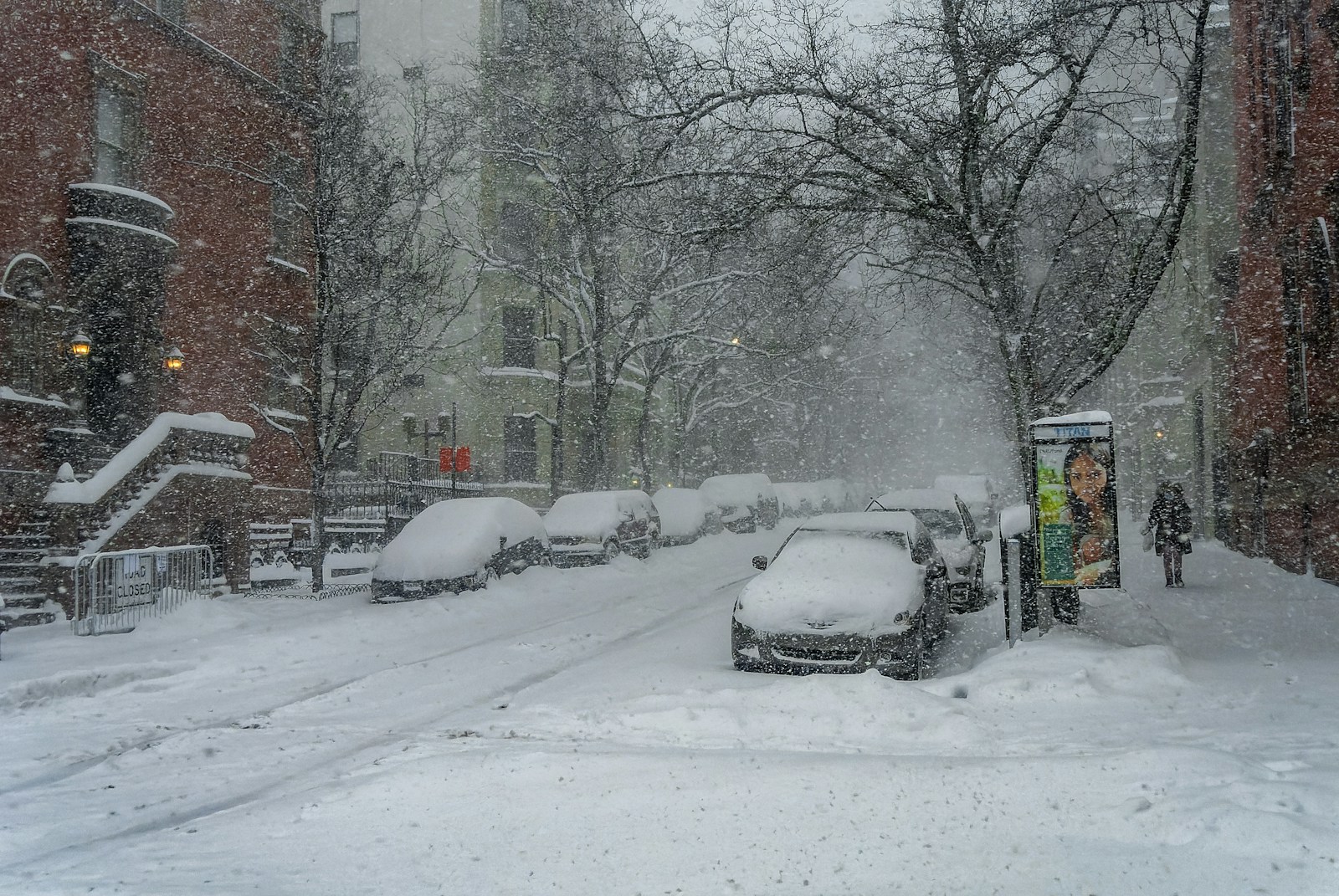

Streets piled high with snow forced the city to suspend alternate side parking, so people can stop worrying about tickets and focus on digging out. The suspension gives you temporary relief from moving your car while crews clear snow and restore safe travel.
This pause follows a major storm that buried roads and stalled traffic, and it buys time for sanitation and public works teams to plow, salt, and haul away snow. Expect practical guidance ahead on why officials acted and what to watch for when the suspension ends and parking rules return.
Why New York City Suspended Alternate Side Parking Rules
The city paused alternate side parking to clear packed snow and reopen curb lanes safely. Crews focused on making streets passable, protecting catch basins, and preparing for normal street cleaning and parking enforcement to resume.
Impact of the Major Snowstorm on Streets and Traffic
The storm dropped more than a foot of snow in many neighborhoods, leaving cars buried along curb lanes and obstructing travel lanes. Plowed snow pushed into parking lanes, blocking access for street sweepers and preventing sanitation trucks from reaching curbside debris.
Traffic slowed or stalled on major corridors and side streets, increasing the risk of collisions and hindering emergency vehicles. Transit buses faced detours and delays, and intersections clogged where piled snow reduced visibility and turning space.
Pedestrian routes and bus stops were filled with snow piles, forcing people into the roadway in some places. That raised safety concerns that made immediate enforcement of ASP impractical while crews removed snow and cleared sidewalks.
Alternate Side Parking Rules and Their Purpose
Alternate side parking (ASP) requires vehicles to move so street sweepers and sanitation trucks can clean curb lanes on scheduled days. ASP helps clear debris, keep catch basins accessible, and prevent flooding by allowing cleaning and maintenance near the curb.
When ASP is in effect, signs indicate the day and time a side of the street is restricted; violations can lead to tickets or towing. Major legal holidays and declared emergencies can trigger ASP suspensions; on major legal holidays some other parking rules and meters are also suspended.
In a snow emergency, enforcing ASP against buried cars would be counterproductive. The city suspends ASP to avoid penalizing residents unable to move snow-encased vehicles and to give crews room to plow, pile, and remove snow safely.
How Snow Removal Operations Changed During the Suspension
Sanitation and DOT crews shifted from routine street sweeping to snow operations: plowing, pushing snow from travel lanes into temporary berms, and clearing bus routes and arterial streets first. Crews prioritized main arteries, hospital routes, and transit corridors before addressing local curb lanes.
With ASP suspended, teams used larger equipment and staged piles in parking lanes to clear roadway space. They also focused on opening catch basins to reduce ice and flood risk when melting began.
The suspension allowed a coordinated schedule: DSNY cleared sidewalks and curb lanes, DOT repositioned signs and coordinated street-sweeper access, and enforcement units held off ticketing until streets were safe for normal ASP operations to resume. For official updates on current ASP status, check the city’s Alternate Side Parking suspension page.
What Drivers Need to Know During and After the Suspension
The city suspended alternate side parking to allow plows and emergency crews to clear curb lanes, reduce street hazards, and speed snow removal. Drivers should know which parking rules still apply, how to dig out and move vehicles safely, and where to find timely ASP and snow alerts.
Other Parking Regulations Still in Effect
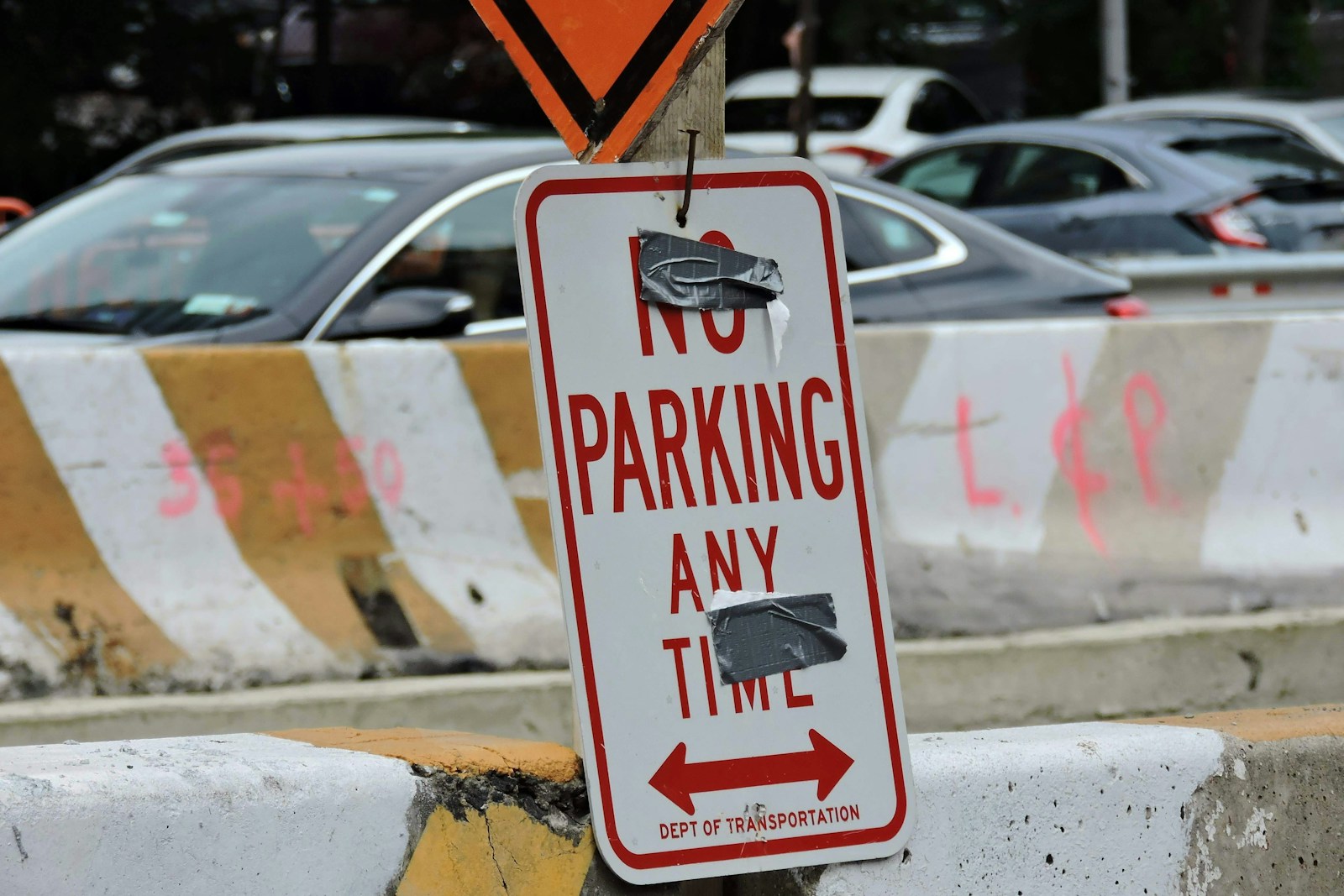
A parking suspension for street cleaning does not cancel all rules. Time‑of‑day and seven‑day restrictions like “No Standing Anytime” and metered parking remain enforceable unless a major legal holiday rule applies. Violating those signs can still lead to tickets or towing.
Emergency lanes, fire hydrant zones, bus stops, crosswalks, and sidewalks remain off‑limits. Double parking or blocking a plow lane can result in summonses and obstruct snow removal. If a sign normally allows parking only with a permit, that permit requirement usually stays in force.
Drivers should check posted signs before leaving a vehicle. For quick guidance on temporary ASP status and city notices, the NYC DOT publishes updates and local outlets like ABC7 report suspension windows and practical advice.
Tips for Digging Out and Moving Your Car
Start by clearing a walking path from the door to the curb to reduce slip risk. Use a small, sturdy shovel and avoid trying to push heavy drifts alone; ask a neighbor or use a snow shovel with an ergonomic handle to reduce strain.
Clear snow around wheels and under the bumper, then rock the car gently between drive and reverse to gain traction. Place sand, kitty litter, or traction mats under tires for grip. If a vehicle is buried under snow, clear exhaust areas to avoid carbon monoxide dangers before starting the engine.
When preparing to move, check that your route is passable and that plows have room to work. Watch for temporary no‑parking signs posted for post‑snow operations; crews often post a one‑week grace period when new signage is installed, but enforcement can resume afterward.
Staying Updated with ASP and Snow Alerts
Use multiple channels for the fastest info. Drivers can subscribe to NYC DOT or ASP email alerts and follow official feeds for real‑time changes. Local news apps such as the ABC7NY app often post timely updates about suspension extensions and travel advisories.
Check NYC 311 or the DOT ASP page for the current suspension status before leaving a vehicle. Social accounts like @NYCASP provide quick notices about re‑instatement times and neighborhood exceptions. When in doubt, verify posted street signs; automated messages and apps help, but physical signs govern enforcement.
More from Steel Horse Rides: