

They’ll face fines — up to $200 — if caught touching a phone while driving, and this law changes what people can do behind the wheel right now. You must keep your phone off your hand while the vehicle moves or risk a citation that escalates after initial warnings.
This post explains what the hands-free rule allows and forbids, why officers can stop someone for holding a device, and practical steps to avoid fines and license points. Expect clear examples of allowed hands-free options, common mistakes that trigger enforcement, and quick tips to adapt without losing connectivity.
Understanding the Hands-Free Driving Law
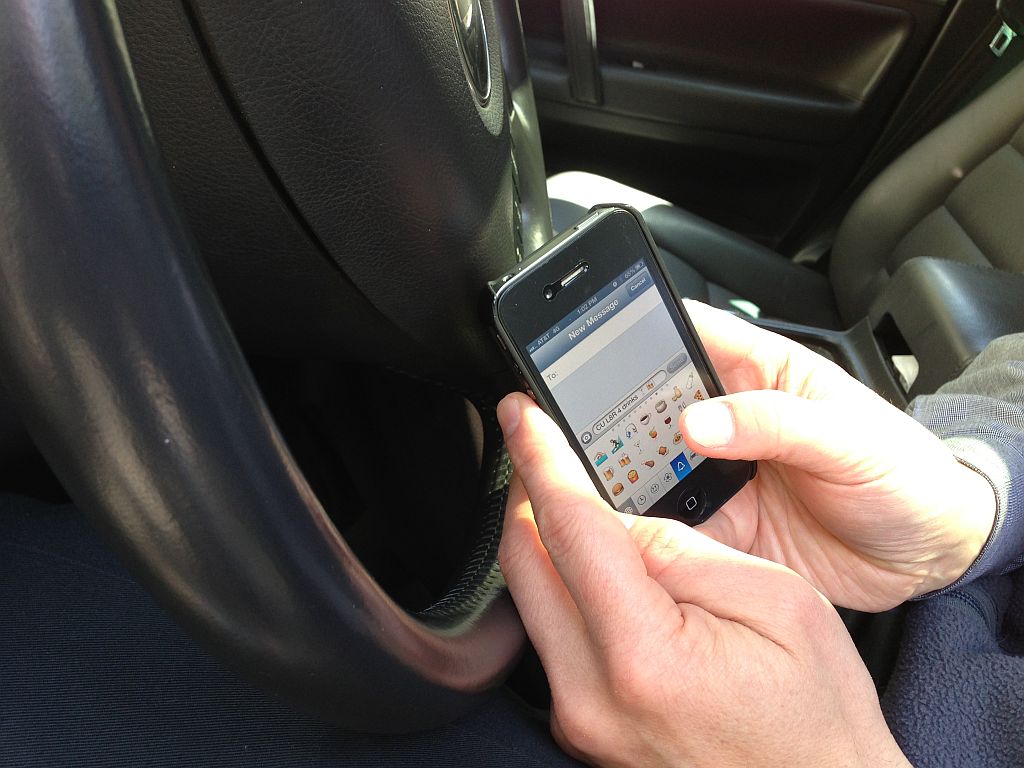
The law makes manual phone use while driving a primary offense, sets fines and possible license points, and lists narrow exceptions for emergencies and first responders. Drivers may use hands-free features like voice commands, mounts, and Bluetooth so long as the device is not physically handled.
What the Law Bans and Allows
The statute bans holding, touching, or otherwise manually operating a cellphone or mobile electronic device while the vehicle is in motion or not parked. That includes texting, scrolling social feeds, dialing by hand, and recording or broadcasting video with a handheld phone. Gripping a phone to read a message or holding it to a listener’s ear also counts as prohibited conduct.
Hands-free operation remains legal when drivers use voice-activated systems, steering-column mounts, wired or wireless connections to the vehicle, or single-touch activation that does not require manual manipulation after initial setup. Navigation and media control are permitted only if the device is secured and not handled. The South Carolina Department of Public Safety clarifies that continuous dashcam use is exempt when the device’s sole purpose is recording.
Penalties and Point System Explained
A first offense typically carries a $100 fine or similar base penalty; repeat violations can escalate to $200 or greater depending on the state statute and circumstances. In jurisdictions that adopt the model seen in recent enactments, a repeat offense within a multi-year window can add monetary penalties plus points against the driver’s license.
Points impact insurance rates and can trigger administrative actions if the driver accumulates enough within the department of motor vehicles’ timeframe. Some states use a warning period before fines begin; others allow officers to stop vehicles solely for the hands-free violation because it is a primary offense. Check specific state language for exact fines, time windows for repeat offenses, and point values.
Exceptions and Special Circumstances
Emergency situations often exempt manual device use when reporting an active emergency, coordinating an immediate rescue, or contacting law enforcement about imminent danger. First responders performing official duties are usually exempt from the ban while carrying out necessary communications.
Other narrow exceptions may include parked vehicles, vehicles stopped due to traffic where the driver remains behind the wheel but the vehicle is not in gear, and dedicated in-vehicle systems installed as original equipment. Local agencies such as the South Carolina Department of Public Safety publish guidance on enforcement nuances, like whether a stopped car at a red light counts as “parked” under the hands-free and distracted driving act.
Why This Law Matters for Drivers
The rule changes how drivers must interact with phones and reduces simple behaviors that lead to crashes. It clarifies penalties and sets a clear expectation: no touching a handheld device while driving.
Impact on Distracted Driving and Road Safety
The hands-free ban directly targets common distractions: texting, dialing, and scrolling. Studies and crash reports show that taking eyes off the road for even two seconds at highway speed can double crash risk; banning handheld use reduces these short, dangerous glances.
Enforcement by agencies like the South Carolina Department of Public Safety focuses on visible handheld use, which increases detection and deterrence. Fines — often around $100 to $200 depending on the state and repeat offenses — give officers a clear penalty to issue, which can change driver behavior quickly.
Vulnerable road users benefit most. Pedestrians and cyclists face fewer sudden, inattentive driver actions when people stop handling phones. Commercial and novice drivers also fall under many of these rules, reducing high-risk driving among groups that account for many collisions.
Tips for Compliance and Best Practices
Drivers should switch phones to Do Not Disturb or airplane mode before starting a trip. Using built-in Bluetooth or voice commands lets drivers make calls and navigate without touching the device.
Set up navigation and playlists while parked. If a passenger can handle calls or messages, delegate that task. For longer trips, pull over to a safe location before interacting with the phone.
Know the law details locally: some states allow hands-free accessories while others ban any phone manipulation. Review enforcement guidance from the South Carolina Department of Public Safety and local DMV pages to confirm fines, repeat-offense penalties, and exemptions for emergency use.
More from Steel Horse Rides: