
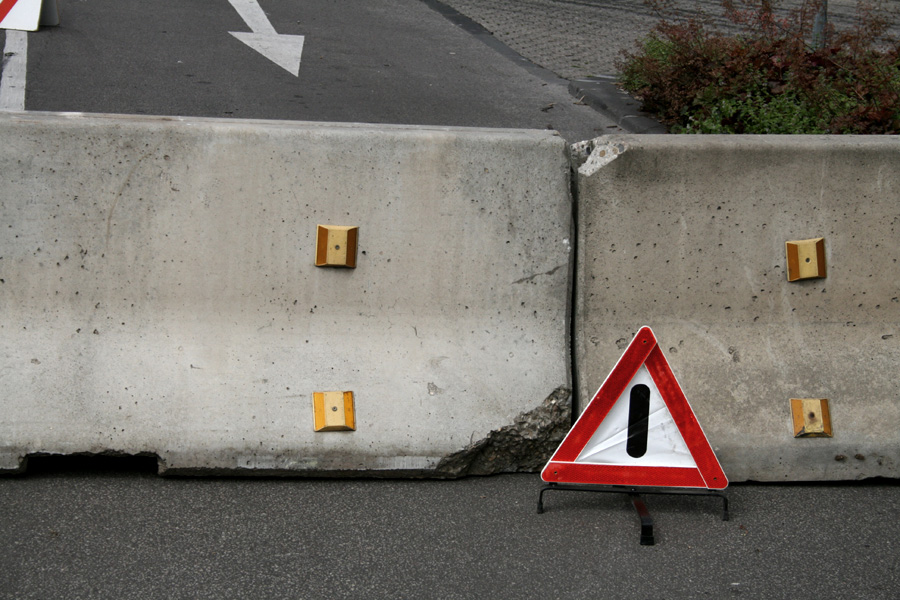

You could face criminal charges and even jail time if you drive around emergency barricades during severe weather. Know that intentionally ignoring nonessential travel bans or official road closures can lead to misdemeanor or upgraded gross misdemeanor charges, license suspensions, and ordered reimbursement for emergency response costs.
When bad weather makes roads deadly, officials close routes to protect everyone and to keep first responders available for true emergencies. The next sections explain what penalties might look like, why those rules exist, and what could happen if someone drives past barricades during floods, storms, or similar hazards.
Penalties and Laws for Ignoring Road Closures
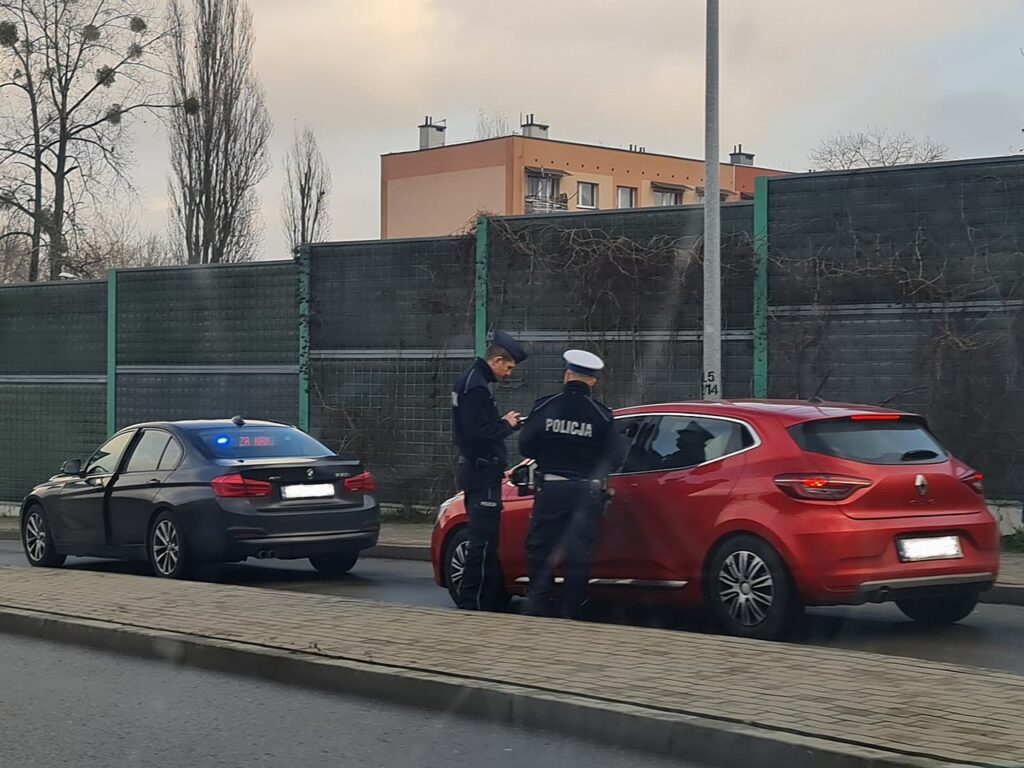
Drivers who ignore official road closures during hazardous conditions can face criminal charges, fines, license actions, and civil liability for rescue costs or property damage. Laws under consideration add new criminal definitions and stiffer penalties aimed at deterring nonessential travel during declared emergencies.
Substitute House Bill 2203 Explained
Substitute House Bill 2203 creates a specific offense for drivers who knowingly bypass official closures during hazardous conditions. The bill targets conduct during declared emergencies and extreme-weather events, tying penalties to the intentional decision to ignore barricades and posted closures.
It allows prosecutors to charge drivers even if no collision occurred, focusing on the risk imposed on first responders and the public. The bill also authorizes administrative consequences such as license suspension and may require reimbursement for emergency response or rescue costs.
This legislation passed the Washington House and moves through the process to become law, reflecting heightened concern after multiple rescue incidents where drivers ignored closures and required assistance.
Definition of Reckless Interference With Emergency Operations
The proposed offense, titled “reckless interference with emergency operations,” centers on the mental state of the driver: knowingly or recklessly entering a closed area or ignoring barricades that were placed for public safety.
Reckless conduct means the driver consciously disregarded a substantial risk that their actions would impede emergency personnel or endanger others. The statute covers bypassing barricades, driving through posted closed roads, or taking alternate routes meant to restrict traffic.
Prosecutors will need to show the closure was official—posted, published, or ordered under existing authorities—and that the defendant was aware or reasonably should have been aware of the restriction.
Gross Misdemeanor and Legal Consequences
Under the bill, a base offense is a misdemeanor, but it escalates to a gross misdemeanor if a first responder is injured during a rescue or if a minor under 16 is endangered.
A gross misdemeanor in Washington carries heavier fines and up to 364 days in jail, plus potential restitution for rescue costs and civil liability for damages to public infrastructure. Administrative penalties, like license suspension, are also possible and can be imposed independently of criminal conviction.
Existing statutes already criminalize ignoring closures and reduced speed limits and allow civil claims for resulting damages. The new law would add a targeted criminal category and stiffer penalties during a declared state of emergency.
Why Nonessential Travel Bans Matter During Severe Weather
Nonessential travel bans keep roads clear for emergency vehicles, protect stranded motorists, and let crews focus on restoring power and clearing hazards. They also create legal boundaries that let police prioritize life‑saving work and public-utility repairs.
Role of Emergency Response and Rescue Crews
Emergency response teams need predictable road access to reach incidents quickly. Firefighters, paramedics, and tow operators rely on cleared lanes to transport patients, deliver equipment, and pull people from flooded or snowbound vehicles. When plows and utility crews can operate without constant traffic interference, they restore safe conditions faster.
States often activate an incident command structure under a state of emergency declaration to coordinate agencies and prioritize routes. That coordination assigns specific roads for ambulance corridors and utility repair, reducing duplicated effort. Clear roads also shorten response times, which directly affects survival in cardiac arrests, trauma, and exposure cases.
Risks of Ignoring Barricades and Emergency Barricades
Drivers who go around barricades face immediate physical danger. Barricades mark unstable bridges, washed‑out pavement, deep drifted snow, or live downed power lines hidden by water. Entering those zones risks becoming trapped, causing collisions, or triggering secondary incidents that require additional rescues.
Ignoring emergency barricades also diverts rescue crews from planned missions. A single vehicle needing extraction can pull a rescue truck and personnel off a prioritized assignment for hours. That delay increases risk for others and raises operational costs, including extra fuel, overtime, and specialized equipment deployment.
Consequences for Rescue Teams and Public Safety
When people disregard bans, rescue teams confront higher workloads and greater exposure. Crews must perform more hazardous extractions, work longer shifts in bad weather, and carry heavier equipment into unstable environments. Fatigue and task saturation raise the chance of injury to responders.
Public safety diminishes because scarce resources spread thinner. EMS runs that would take minutes can swell into hour‑long responses. Utilities lose time restoring power, which prolongs hospital generator dependence and complicates heating for vulnerable residents. Law enforcement also has to reallocate officers to enforce closures instead of crime prevention.
Driving Restrictions and Travel Ban Enforcement
Travel bans typically define “essential travel” for emergency personnel, utility workers, and those seeking urgent medical care. Lawmakers and agencies issue specific exemptions and communicate routes for permitted vehicles. Enforcement methods include checkpoints, fines, and arrests under state emergency powers.
Jurisdictions vary in penalties, but many treat violations as misdemeanors or offenses subject to fines and possible jail time when they endanger others or impede emergency operations. Police and state troopers use signage, cones, and mobile barriers to enforce closures, and they coordinate with dispatch centers to log violations and direct towing or prosecution when necessary.
(For legal context on travel bans and enforcement authority, see how states outline emergency travel restrictions and essential travel definitions.)
More from Steel Horse Rides: