

You trusted a shop with $13,000 and expected a finished Jeep, but the business claims an extra $7,000 is owed and still won’t release the vehicle. That means you face a surprise debt and a car held hostage unless you act quickly to verify charges, demand the vehicle’s return, or pursue legal remedies.
This post breaks down what happened, where disputes like this usually go wrong, and practical steps to protect your money and regain the vehicle. Expect clear options for documenting the contract, negotiating payment, and when to involve police or a lawyer.
Custom Jeep Saga: Upfront Costs, Surprise Bill, and Vehicle Withheld
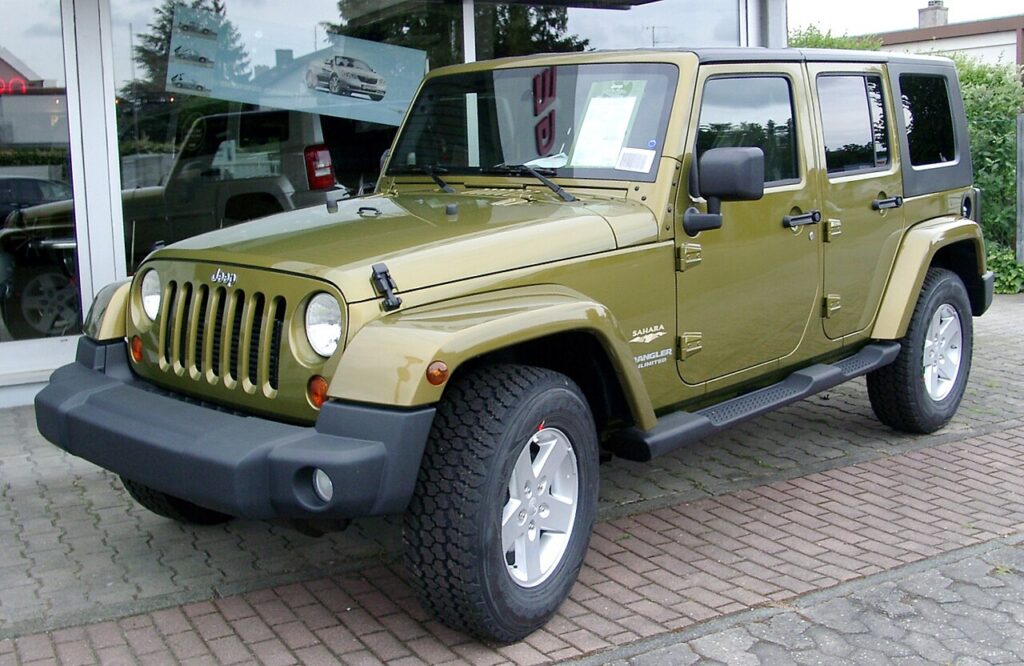
The customer paid thousands up front for a planned build, then faced a second demand for cash and found the Jeep still at the shop. The dispute now includes claims about unauthorized work, withheld property, and requests for damages.
Initial $13,000 Payment and Customizations
He left a 2013 Jeep Wrangler at the shop and paid $12,730.12 in advance for parts and labor. The paid work listed suspension components, wheels and tires, lighting, and related accessories — all common, high-cost upgrades on a Wrangler.
Paying nearly $13,000 effectively served as a down payment and prepayment for the full scope of the build, which typically covers both expensive parts and labor-intensive installation. He expected the vehicle returned after installation, not additional surprise charges.
Records in his complaint indicate multiple messages went unanswered over several months. That lack of communication raised immediate concerns about project management and escrow of customer funds.
Unexpected $7,000 Charge and Refusal to Return Jeep
When he attempted to retrieve the Jeep with a tow on September 20, the shop allegedly demanded another $7,000 before releasing the vehicle. The shop claimed it had completed extra work that exceeded the original agreement; he says the shop never got permission for those additions.
The refusal to return the Jeep after he already paid put him in a bind: his property remained in the shop while the garage asserted an unpaid balance. He called local police, but that did not secure immediate return.
Allegations that the garage “ghosted” him — failing to respond to status inquiries — amplify the dispute. The combination of an additional seven-grand demand and withheld property is central to his claims.
Legal Implications and Claims for Punitive Damages
He filed suit in Westchester County, alleging breach of contract, fraud, and related claims, and asking for immediate return, compensation, restitution, and punitive damages. Breach of contract centers on the paid scope of work versus the shop’s later demand. Fraud claims focus on alleged misrepresentations and the shop’s failure to communicate.
Punitive damages seek to punish and deter allegedly intentional misconduct, not just to compensate for losses; his complaint cites prior similar complaints and default judgments against the business to argue a pattern. Demonstrating a willful withholding of property and unauthorized additional charges would strengthen a punitive-damages claim.
The lawsuit also presses for restitution of the down payment and any extra costs incurred to retrieve or repair the vehicle, along with court-awarded penalties if the court finds misconduct.
Auto Loan and Payment Insights for Custom Car Projects
Custom builds often mean a higher upfront price, variable fees, and a need to plan financing that covers the full cost. Buyers should check loan amount, projected monthly payment, and how extra charges or delayed delivery change total interest owed.
Calculating Total Loan Amount and Understanding Interest Rate Impact
They should start by adding the agreed sale price, any dealer or fabrication fees, applicable sales tax, and the cost of required add-ons to find the true loan amount. For a $13,000 custom order that later adds a $7,000 bill, the loan amount can jump substantially if financed rather than paid out of pocket.
Interest rate determines how much extra the borrower pays over the life of the loan. A 5% annual rate on a $13,000, 60‑month loan yields a much lower total interest than financing $20,000 at the same term. Small rate differences matter: each 0.5% change can alter monthly pay by several dollars and total interest by hundreds.
They should always confirm whether any deferred charges will be added to the principal or treated as separate invoices. That affects both monthly payment and amortization.
Payment Calculator Tips and Amortization Schedule Basics
They should use a payment calculator to model scenarios before signing anything. Enter exact loan amount, term in months, and the quoted interest rate. Free online tools like the Kelley Blue Book auto loan calculator help compare monthly payment outcomes quickly.
Key inputs to test: down payment, trade‑in value, added fees, and sales tax. Run at least three scenarios: best-rate with a large down payment, mid-rate with small down payment, and high-rate with financed extras.
An amortization schedule shows month‑by‑month principal vs. interest allocation. Early payments go mostly to interest; principal reduction accelerates later. They should print or save the schedule to see when equity builds and how extra principal payments shorten the loan.
Evaluating Monthly Payment, Loan Term, and Amortization
They should weigh lower monthly payments from longer loan terms against higher total interest. For example, extending a loan from 48 to 72 months lowers monthly pay but raises total interest and keeps negative equity risk higher.
When monthly payment is the priority, they must still confirm the loan amount and APR, not just the quoted monthly figure. Lenders may present attractive monthly payments by increasing term or rolling fees into principal.
Practical checks: request the exact APR, a full amortization schedule, and an itemized list of financed charges. If disputes arise over added bills, having the printed amortization and the original agreement strengthens their position.
More from Steel Horse Rides: