
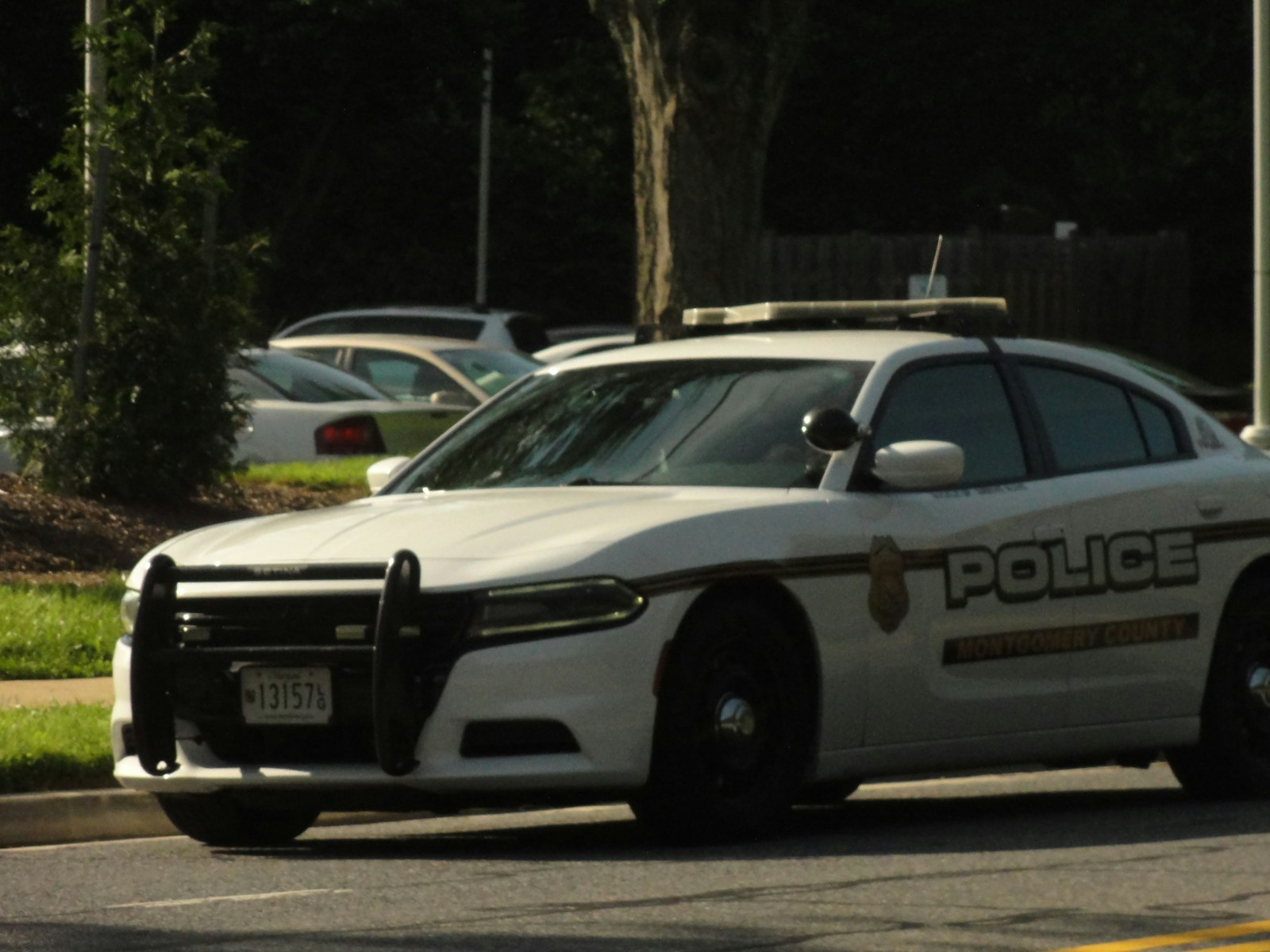

That’s the whiplash a lot of drivers say they’ve felt lately: you do the responsible thing, get your car inspected, and then—somewhere between lunch and your next errand—a police officer pulls you over and tells you the very same item is a safety violation. It sounds like a bad sitcom plot, but depending on where you live, it can be a very real (and very expensive) day.
A story that keeps popping up
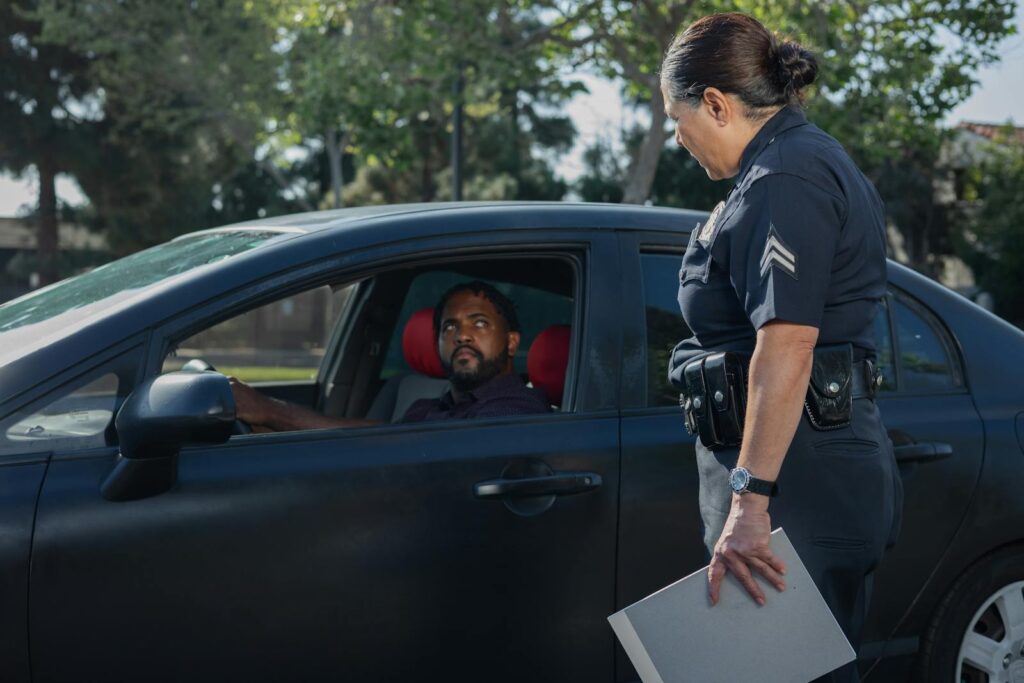
In accounts shared with local consumer advocates and on neighborhood forums, the details vary, but the storyline stays weirdly consistent. A driver passes a state-required inspection in the morning—sometimes with a fresh report that says “OK” next to the relevant category. Later that day, they’re stopped for something like a cracked windshield, a light that “appears dim,” window tint, tire tread, or a noisy exhaust.
“I literally have the paperwork timestamped,” said one driver who described being cited for a rear light issue only hours after inspection. “The shop told me it met standards. The officer told me it didn’t. Meanwhile I’m standing there on the shoulder like I’ve entered an alternate universe.”
How can both things be true?
The frustrating answer: inspection rules and enforcement standards don’t always line up neatly in real life. Inspections are typically a snapshot—your car meets the criteria at the time it’s checked, under the shop’s testing method, with the equipment they’re using and the interpretation they apply. A traffic stop is another snapshot, often based on an officer’s observation in the moment, sometimes under different legal language.
Even when the law is the same, the measurement isn’t always. A windshield crack, for example, might be acceptable if it’s outside a certain area or not “obstructing the driver’s view,” but that phrase can become a judgment call on the roadside. Lights can flicker with vibration, a bulb can fail suddenly, and tire wear can look fine on a lift but show cords after a pothole-related blowout starts separating the tread.
The “inspection passed” sticker isn’t a magic shield
Here’s the part people hate hearing: a passing inspection usually doesn’t guarantee you can’t be cited later. In many states, the inspection indicates compliance at the time of inspection, not a permanent stamp of legality for the entire year. If an officer believes something is unsafe right now, they can often stop you and, depending on local rules, issue a fix-it notice or a citation.
That doesn’t mean you’re powerless, though. It just means the sticker is evidence, not immunity—kind of like having a receipt doesn’t stop a store alarm from going off, but it sure helps clear things up when you’re standing there confused.
Common “morning pass, afternoon ticket” items
Windshields are a classic. A small chip can spread into a longer crack fast, especially with temperature changes, and an officer might decide it’s in a restricted zone even if the inspector didn’t. Window tint is another repeat offender, partly because tint meters aren’t always used during traffic stops and “looks too dark” can turn into a debate.
Lighting issues show up a lot, too—especially brake lights, license plate lights, and turn signals that work intermittently. Exhaust and noise complaints also make the list, because inspections often focus on emissions equipment and obvious leaks, while roadside enforcement can lean on broader “excessive noise” or “modified equipment” statutes.
Inspection stations aren’t all the same
Most inspectors are doing their best, but inspections aren’t a perfectly uniform experience. Some shops are meticulous to the millimeter; others are faster and more “practical.” Equipment calibration, training, workload, and even how a particular inspector interprets gray areas can vary.
And yes, there’s an awkward reality: some stations have an incentive to keep customers happy and moving. That doesn’t mean they’re corrupt, but it can mean borderline items get the benefit of the doubt—until a different person (a cop, another mechanic, an insurance adjuster) takes a less forgiving view.
What to do if it happens to you
First, stay calm and document what you can. If it’s safe, take clear photos of the alleged violation right there—windshield crack location, the light illuminated (or not), tire tread, whatever it is. Make sure you also photograph your inspection sticker and keep the inspection report, including the date and time.
Next, ask the officer—politely—for specifics. “Can you point out what part is considered unsafe?” and “Is this a fix-it ticket?” are reasonable questions. You’re not trying to litigate on the shoulder; you’re gathering information you’ll need to fix the issue or contest the citation.
If it’s a repairable item, fix it quickly and save receipts. Many places reduce or dismiss certain equipment violations if you show proof of repair by a deadline. If you genuinely believe the citation conflicts with the inspection standard, consider requesting a hearing and bringing your documentation, including the inspection paperwork and dated photos.
Should you go back to the inspection shop?
It can be worth it, especially if you suspect something was missed. A reputable shop may re-check the item and give you a written statement of what they observed—though they may be cautious about contradicting law enforcement in writing. Still, even a second inspection or a mechanic’s note showing measurements (tread depth, bulb function, tint percentage) can help you understand what changed between morning and afternoon.
If the shop clearly made an error, some will work with you on reinspection fees or repairs. And if you feel like the inspection was careless, you can usually file a complaint with the state agency that oversees inspection stations. That’s not a fast fix, but patterns matter, and regulators do investigate repeated issues.
The bigger picture: confusing rules don’t build safer roads
Drivers aren’t wrong to feel annoyed. If the same car can be “approved” at 9 a.m. and “unsafe” at 4 p.m. with no obvious change, it creates distrust in the whole system. Safety programs work best when people understand the rules, believe they’re applied consistently, and feel like compliance is actually achievable.
The good news is that in many of these cases, there really is a simple explanation: something changed, a borderline issue was interpreted differently, or the stop was triggered by a genuine malfunction that didn’t show up earlier. The bad news is that when the system relies on a mix of judgment calls and imperfect snapshots, the person stuck in the middle is often the driver holding a fresh inspection report and wondering if the universe is pranking them.
If this happens to you, treat your paperwork like gold, take a few quick photos, and focus on the fastest path to resolution—whether that’s a repair, a re-check, or a court date. It’s not the kind of errand anyone wants on their calendar, but with good documentation, you’ll have a fighting chance to make the day make sense again.
More from Steel Horse Rides: