


It was the kind of low-speed parking lot moment nobody brags about. You’re creeping along, watching for carts and kids and that one driver who treats the Costco aisle like the Daytona 500, when—tap—metal meets plastic. No one’s hurt, the cars are still perfectly drivable, and the biggest casualty seems to be everyone’s mood.
In this case, the other driver stepped out, looked genuinely embarrassed, and apologized right away. “That one’s on me,” they said, plain as day. And yet, when the police report showed up, it included a surprise: it listed the narrator—yes, the person who got apologized to—as “contributing” to the crash.
A simple bump… until paperwork made it complicated
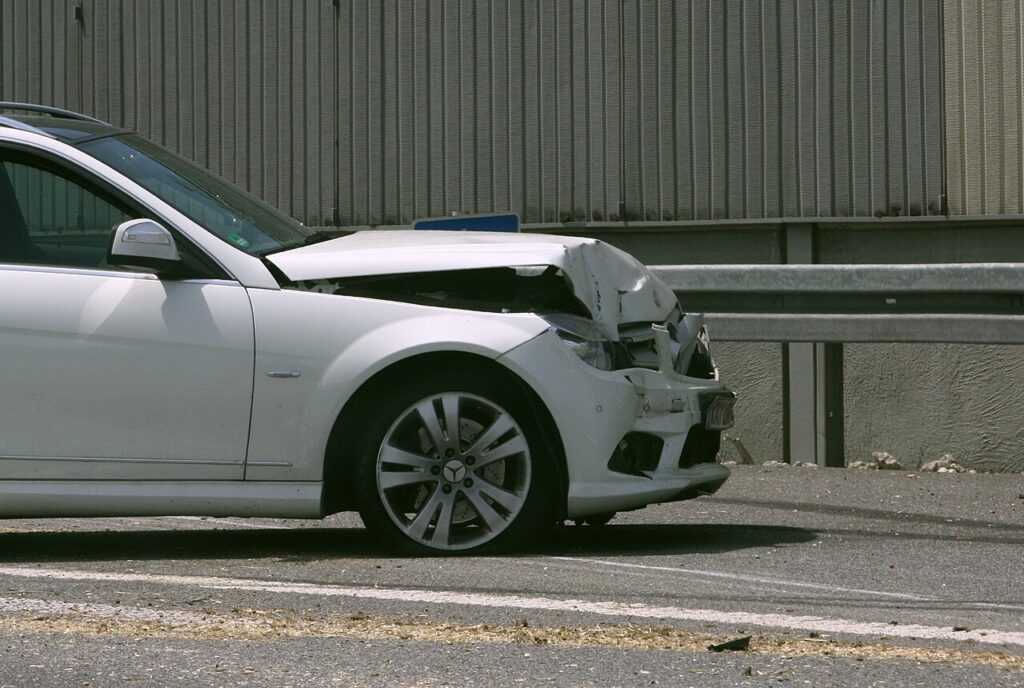
Parking-lot crashes are supposed to be the “easy” ones. They’re slow, they’re common, and most people assume insurance will sort it out with a couple photos and an exchange of information. But the truth is, these little collisions can get weird fast, especially when an official report gets involved.
The frustration here isn’t just about pride. A police report can influence how an insurance adjuster sees the situation, and that can affect who pays a deductible, whether a claim goes on your record, and how quickly repairs happen. So when the report doesn’t match what actually happened, it feels less like a clerical hiccup and more like a problem with teeth.
Why would a report list you as “contributing” when the other driver admitted fault?
This is the part that makes people throw their hands up: “But they apologized!” Unfortunately, an apology at the scene isn’t the same thing as a legal admission of liability, and it doesn’t always steer how an officer writes a report. People say “sorry” for everything—from actual fault to simple human awkwardness—so it doesn’t always carry the weight we want it to.
There’s also the reality that parking lots are messy from a rules standpoint. Depending on where you live, the traffic laws that clearly apply on public roads may apply differently—or not at all—on private property. That can lead to reports that focus on “contributing factors” like backing up, moving through a lane, visibility, or “failure to avoid,” even when one driver clearly feels responsible.
The strange world of “contributing factors”
When people see “contributing,” they often hear “at fault.” Those aren’t always the same thing, at least not in the way police reports and insurance paperwork are written. “Contributing” can be a catch-all that basically means, “You were present and moving and the situation involved choices,” which is… not exactly comforting, but it’s common.
For example, an officer might note that you were reversing, pulling out, or traveling through a lane at the time of impact. They may list “inattention” or “failed to yield” based on a quick interpretation of angles and positions, even if that interpretation is incomplete. And because officers usually don’t witness the crash, they’re piecing it together from statements, damage placement, and whatever the scene looks like by the time they arrive—often after the cars have moved.
How these reports get written (and why they sometimes miss the mark)
Police reports aren’t court verdicts. They’re snapshots made under time pressure, using limited information, and sometimes using checkboxes that force a story into neat categories. If you’ve ever tried to describe a chaotic moment in a tiny online form, you already understand the vibe.
Small details can swing the narrative, too. If one driver says, “I was backing out,” and the other says, “I was driving down the lane,” the officer may assume the backing driver had a duty to yield—even if the moving vehicle was speeding through the lot or cutting behind. Add in unclear lane markings, parked SUVs blocking sightlines, and contradictory witness statements, and suddenly “contributing” shows up like an unwanted guest.
Why this matters for insurance (even if the report isn’t “binding”)
Insurance companies say they do their own investigations, and they do—sort of. But police reports still carry weight because they look official, and adjusters are juggling a lot of files at once. If the report suggests shared responsibility, you may see a split-liability decision, a longer back-and-forth, or a faster denial than you’d expect.
In states with comparative negligence rules, “contributing” language can be interpreted as a reason to reduce what the other driver’s insurer will pay. And if both insurers decide it’s a 50/50 situation, you can end up paying your deductible and waiting on reimbursement that may never come. It’s not the end of the world, but it’s a headache that feels wildly unfair when the other driver was literally apologizing in the parking lot.
What you can do if the report feels wrong
First, get a copy of the report and read it like a detective, not like an offended human (even though you’re absolutely allowed to be offended). Look for factual errors: wrong location, incorrect direction of travel, damage described on the wrong side, or a mix-up in which vehicle was doing what. Those are the easiest things to correct, and they matter more than you’d think.
Next, gather your own evidence while it’s still available. Photos of vehicle positions (if you have them), close-ups of damage, wide shots of the lot layout, and any security camera locations can help. If there were witnesses, try to get their written statements or contact info—because “some guy in a hoodie saw everything” isn’t as useful once everyone disappears into the retail sunset.
Then call the police department’s records unit or the reporting officer to ask about corrections or an addendum. Many departments won’t “change” a report in the dramatic way people imagine, but they may allow a supplemental statement or attach additional information. Be calm, specific, and focused on verifiable facts, not vibes—think “my car was stationary” or “damage location shows impact point,” not “they totally admitted it.”
Talking to insurance without accidentally sabotaging yourself
When you speak with your insurer (and theirs), keep your story simple and consistent. Stick to what you know: where you were, what direction you were moving, and what happened at the moment of contact. If you speculate—“Maybe they didn’t see me,” “I guess I was kind of in the way”—those phrases have a habit of showing up later as if they were sworn testimony.
If you have dashcam footage, even if it’s just the moments before impact, share it. If you don’t, consider this your gentle nudge to join the dashcam club; it’s one of those purchases that feels unnecessary right up until it’s the only neutral witness you’ve got. Parking lots are chaotic, and cameras love chaos.
The bottom line: an apology is nice, but documentation wins
There’s something uniquely irritating about being labeled “contributing” after someone said, out loud, that they caused the crash. But the system doesn’t run on apologies—it runs on forms, diagrams, and whoever wrote things down first. That’s not warm and fuzzy, but it is predictable once you’ve seen it happen.
If you’re dealing with a report that doesn’t reflect reality, don’t assume you’re stuck with it. Collect your evidence, request an addendum if you can, and give insurance a clean, factual timeline. It’s not as satisfying as hearing “my bad” again, but it’s the kind of boring, practical persistence that actually gets results.
More from Steel Horse Rides: