
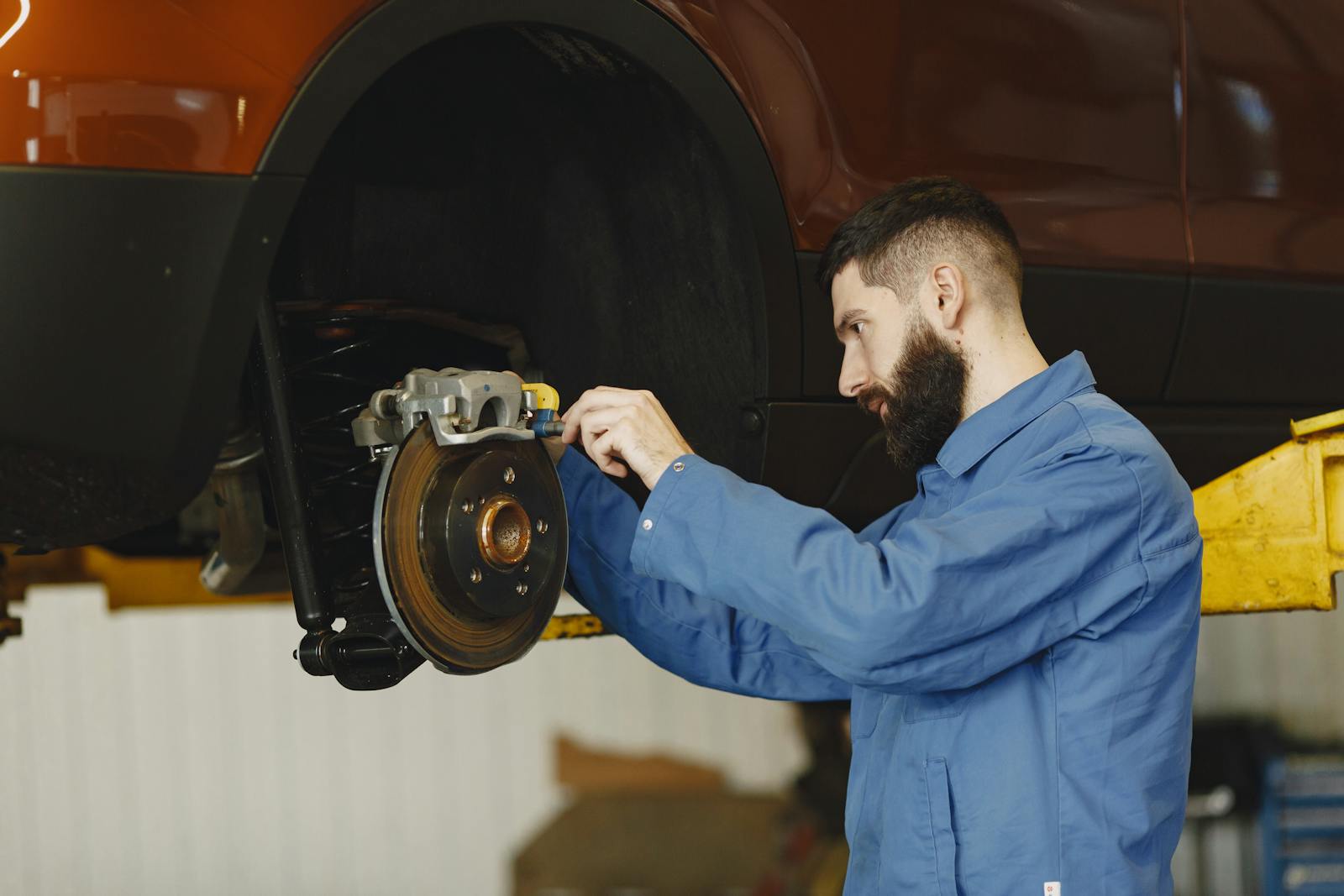

It’s one of those moments that makes your stomach drop: you pick up your car after brake work, everything seems fine, you wave at the service desk… and before you’ve even reached the end of the street, the brake pedal feels completely different. Maybe it’s softer than usual. Maybe it’s suddenly grabby. Maybe it sinks a little farther than it used to, like it’s thinking about braking instead of just doing it.
That uneasy “wait, what?” feeling isn’t paranoia. Brakes are the one system you don’t want surprises from, and a pedal that changes right after service is basically your car’s way of tapping you on the shoulder and saying, “Hey, double-check this.”
The “Different Pedal” Problem Is More Common Than You’d Think
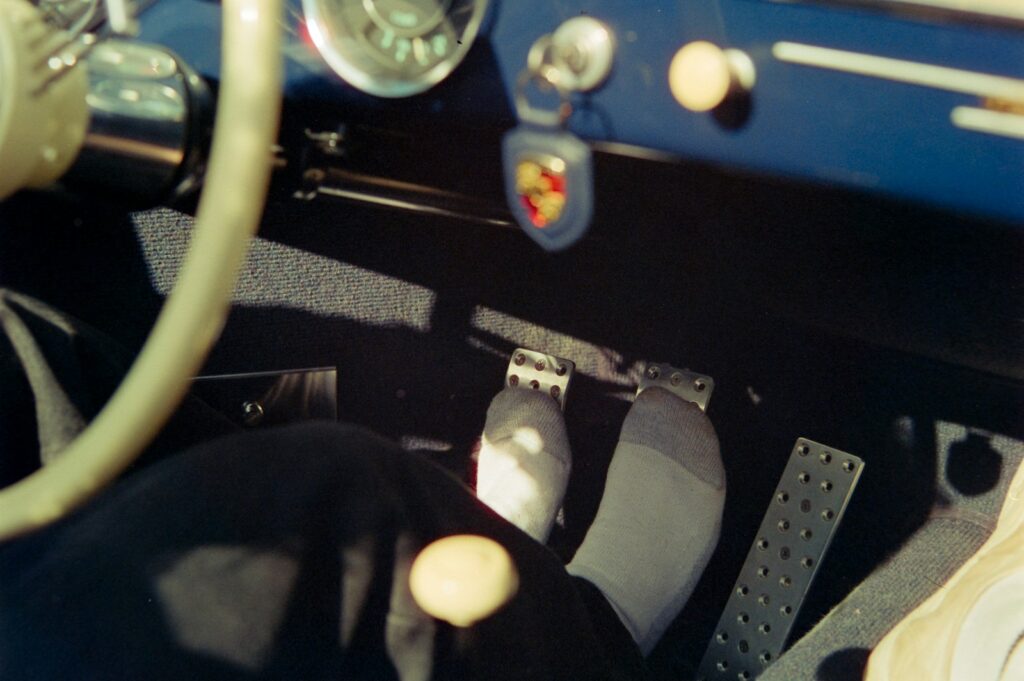
According to multiple shop owners and service advisors interviewed for this story, the most frequent post-brake complaint they hear isn’t noise — it’s feel. Drivers expect new pads or rotors to make stopping smoother, not to turn the pedal into a mystery novel with a surprise ending.
The good news is that a pedal feeling different doesn’t automatically mean your brakes are about to fail. The bad news is that sometimes it does mean something needs immediate attention, and you can’t really “wait and see” with the system responsible for not rear-ending a mailbox.
What “Different” Usually Means — and Why It Happens
First, there’s the normal stuff. New brake pads often need a short break-in period (called bedding-in), and during those first miles you might notice changes in bite — how quickly the brakes respond when you press the pedal. If you had glazed pads before, or your rotors were uneven, the new setup can feel sharper simply because it’s finally working the way it should.
But there’s a line between “new brakes feel different” and “something’s off.” A pedal that feels spongy, sinks slowly, requires pumping, or suddenly needs way more travel than before can point to air in the brake lines, a fluid issue, or a leak. In plain terms: the hydraulic system may not be holding pressure the way it’s supposed to.
Red Flags That Mean Don’t Keep Driving
If you press the pedal and it goes close to the floor, that’s not a “give it a few days” situation. Same if the pedal firms up only after you pump it a couple times, or if your car pulls hard to one side when braking. Those are classic signs of air in the system, a caliper problem, or uneven brake force — all fix-now items.
Also pay attention to warning lights. If the brake warning light comes on, if ABS lights up, or if the car throws stability control warnings right after brake work, treat that as urgent. Sometimes it’s a sensor that got bumped or a connector that’s loose, but you don’t want to guess wrong at 35 mph.
The Most Likely Culprits After Brake Service
Air in the brake lines is the big one, especially if any hydraulic components were opened up. Even a small bubble can change pedal feel dramatically because air compresses while brake fluid doesn’t — so your foot ends up squeezing air instead of pushing fluid. A proper bleed usually fixes it, but it has to be done correctly and in the right sequence for your car.
Another common issue is caliper slider pins that weren’t cleaned and lubricated (or were overtightened, or installed incorrectly). Sliders help the caliper move smoothly so both pads engage evenly; when they stick, you can get weird pedal response, pulling, or a “grab-release” sensation. It’s the kind of detail that’s boring in the bay and very exciting on the road (in the worst way).
Then there’s the brake fluid itself. If it’s old and moisture-laden, it can boil more easily and feel mushy, especially after a few stops. Sometimes shops focus on pads and rotors but don’t recommend fluid service unless you ask — which is like replacing a faucet but ignoring the rusty pipes feeding it.
What You Should Do the Moment You Notice It
If the pedal feels wrong, the safest move is to slow down and get somewhere you can stop without drama — a parking lot, the shoulder, or back to the shop if you’re close. Try a gentle test at very low speed: does the pedal feel consistent, or is it changing with each press? Consistency matters; a pedal that “builds” with pumping is a clue something isn’t right.
Then call the shop immediately. Be specific, because “it feels weird” can mean ten different things; tell them “spongy,” “goes farther than before,” “needs pumping,” “pulls left,” or “vibrates.” A decent shop won’t argue — they’ll want the car back in to verify the work, partly because they care and partly because nobody wants a brake comeback to turn into a safety issue.
How Shops Usually Handle This (and What to Ask)
Most reputable shops will recheck their work quickly, and many will do it at no charge if it’s clearly related to the service. Expect them to inspect for leaks, confirm caliper hardware and torque, verify pad installation, and test drive it. If the system was opened, ask directly: “Did you bleed the brakes? How did you bleed them — pressure, vacuum, or manual?”
If the car has ABS, bleeding can be more complicated. Some vehicles require a scan tool to cycle ABS valves during bleeding, and skipping that step can leave air trapped where it matters. You don’t need to be accusatory — just curious and clear that you want the pedal feel verified to factory spec.
When “It’s Normal” Actually Is Normal
Sometimes the shop will tell you it’s normal, and they’ll be right. New pads can feel more responsive, and a freshly resurfaced or replaced rotor can change how the car bites at the top of the pedal. If the pedal is firm, consistent, and stops the car straight — and you’re not seeing warning lights — you may just be feeling the difference between worn brakes and healthy ones.
That said, normal shouldn’t feel unsettling. You shouldn’t have to mentally recalculate your stopping distance every time you approach a light. If the car feels like it’s asking you to “get used to it,” that’s when it’s worth insisting on a recheck.
A Little Practical Advice (Because This Happens to Real People)
If you’re picking up a car after brake work, do a quick test before you merge into traffic. With the engine on, press the pedal a few times in the lot — it should feel firm and consistent, not sinky or springy. Roll at walking speed and do a gentle stop; if anything feels off, turn right back around and save yourself the stress.
Brakes shouldn’t be a leap of faith. If your pedal feels completely different before you even reach the end of the street, trust your instincts — not because you’re anxious, but because you’re paying attention. And honestly, paying attention is underrated until the moment it really, really matters.
More from Steel Horse Rides: