
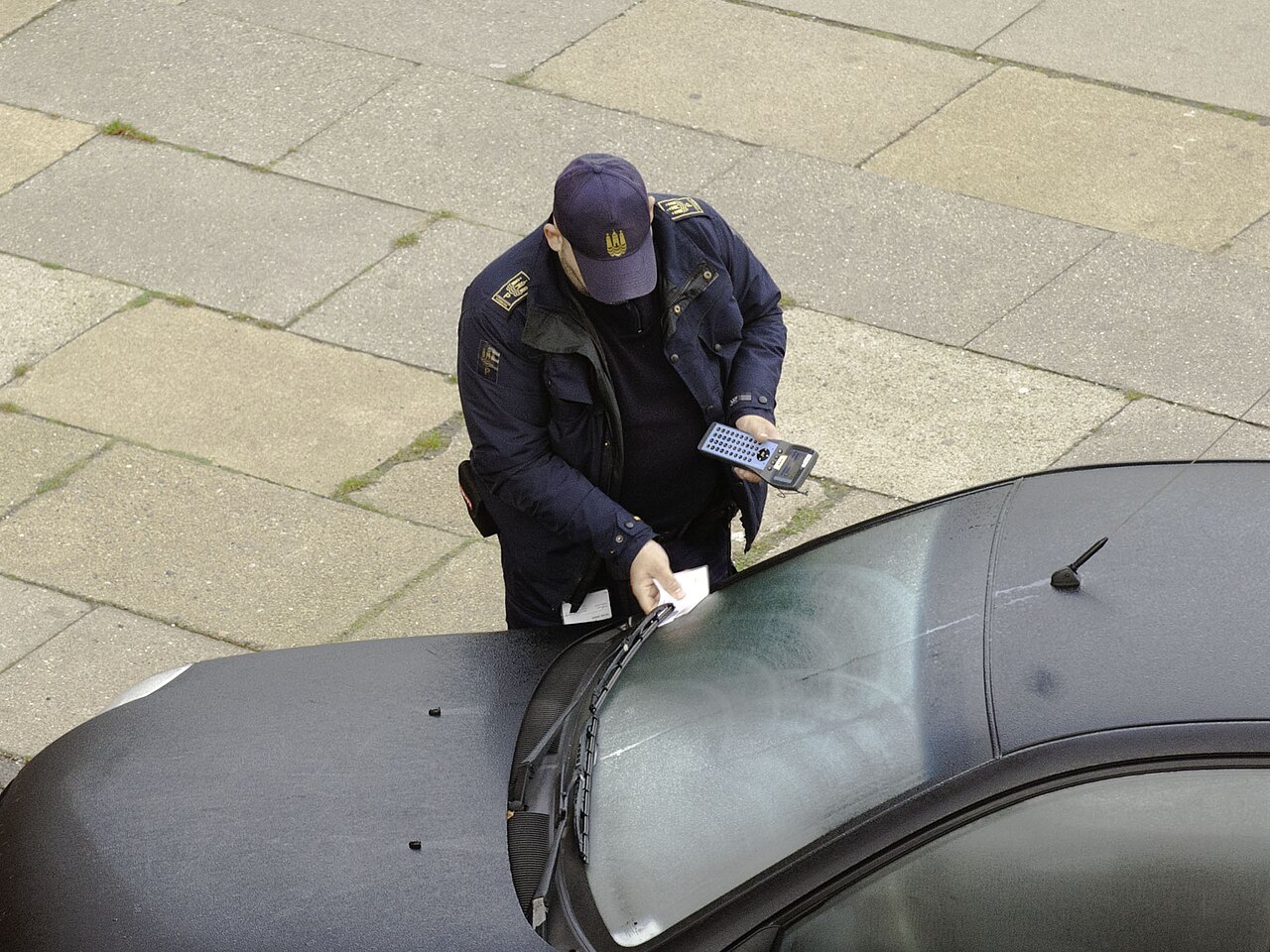

It started the way a lot of small civic nightmares do: with a plain envelope, an official-looking logo, and a sudden demand for money because you apparently did something wrong last Tuesday at 3:14 p.m. The ticket said I’d parked in a private lot without paying, a classic “gotcha” scenario in cities where every square foot of curb feels monetized. The problem was, I remembered that lot — and I remembered looking for signs. I didn’t see any.
So I appealed, because that’s what you do when you’re equal parts stubborn and hopeful. I explained that there were no visible signs from where I entered or where I parked. A week later, the appeals office responded with “evidence”: a photo of a sign, shot from an angle I never entered, like they’d found the one perspective in the universe where the rules were actually visible.
A ticket built on “trust us”
The violation notice was pretty standard: date, time, location, and a tidy little amount that seemed designed to feel cheaper than the hassle of fighting it. It also included the usual language about how signage was “clearly posted” and how payment was required. That phrase—“clearly posted”—did a lot of heavy lifting.
Because on the ground, reality looked different. The lot had a few poles and a payment kiosk tucked away, but from my approach, it read like a typical mixed-use space: a driveway in, a few cars, and no obvious “PAY TO PARK” signs facing the entrance. If there was a sign, it wasn’t where a normal human would look while also trying not to hit pedestrians and cyclists.
The appeal: polite, specific, and probably too optimistic
In my appeal, I tried to be practical. I wrote down the route I took into the lot, where I parked, and what I did before leaving the car—basically a play-by-play for anyone who wanted to verify what’s visible from that path. I also asked a simple question: can you show signage as seen from the entrance I used?
If you’ve ever appealed a parking ticket, you know the vibe. You’re talking to a system that’s not exactly built for warm conversation. Still, I figured a clear explanation would help, especially since “no visible signs” is the kind of thing that should be easy to confirm with a quick look at the lot layout.
The “evidence photo” that raised more questions than it answered
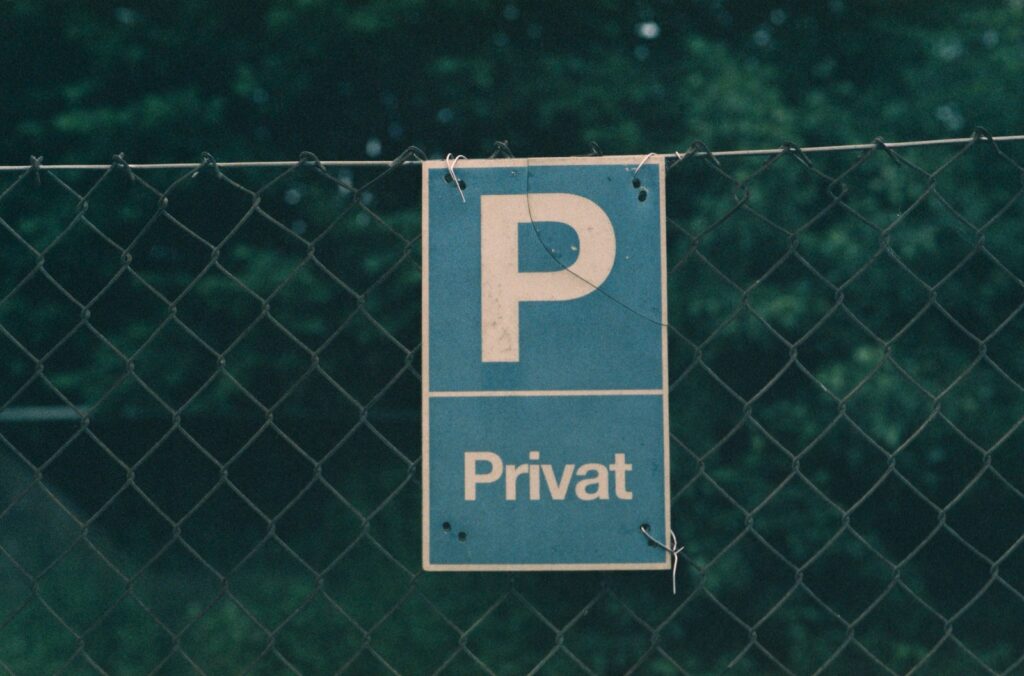
The response arrived with a photo attachment: a crisp image of a sign stating the lot required payment and violations would be ticketed. Case closed, they implied. Except the sign was photographed from a corner of the lot I never approached, like someone had walked around until the sign was perfectly framed and then snapped the most persuasive angle possible.
I’m not saying the sign doesn’t exist. I’m saying the appeals office answered a visibility question with a “sign exists somewhere on Earth” proof. And that’s a different claim entirely. It’s a little like being told the restaurant posted its hours—just not on the door you used.
Why angles matter (and why this happens so often)
Private parking enforcement has gotten increasingly photo-driven, and photos can be genuinely useful—when they show what a driver would realistically see. But an angled photo of a sign can make a hidden or poorly placed notice look obvious. Perspective is powerful, and, conveniently, it can be selected.
Lots also change over time. Signs get blocked by trucks, trees, construction fences, or other signage layered like a messy bulletin board. Even when a sign is technically present, it can fail the basic test of “Can a driver read it at the moment they have to make a decision?” That’s the whole point of posting rules in the first place.
What you can do if this happens to you
If you’re dealing with a ticket where signage wasn’t visible, your best friend is documentation—your own, not theirs. Go back as soon as you can (safely), and take photos and short videos from the exact path you drove: the approach, the entrance, the spot you parked, and the walking route to any kiosk. Make sure your images show what’s visible without zooming in like you’re filming a nature documentary.
Also, capture context. Stand far enough back to show whether a sign faces incoming traffic, whether it’s blocked, and whether it’s readable at night or in glare. If there are multiple entrances, photograph each one, because an appeals office might quietly assume you came in through the “best-signed” route even if you didn’t.
The key argument: visibility, not existence
When you write (or rewrite) your appeal, keep it centered on one idea: the rules must be communicated clearly at the point of decision. Don’t get sidetracked into debating whether a sign is “somewhere” on the property. The question is whether the operator provided reasonable notice from the entrance you used and the area where you parked.
If they send a photo from an odd angle, call it out calmly. Ask them to provide photos showing the sign as viewed from the entrance you used, at driver eye-level, without zoom, and with enough distance to show legibility. If they can’t—or won’t—that’s information.
Escalation options (without making it your full-time job)
Your next steps depend on where you live and who issued the ticket. If it’s municipal, there may be a hearing process with clearer standards. If it’s private, you may be dealing with a company whose business model counts on people paying instead of arguing, which is… not exactly uplifting.
Still, you can often escalate to a second-level appeal, request a hearing, or file a complaint with a consumer protection office or attorney general (if your area handles private parking complaints). If the lot is attached to a business or building, contacting property management can sometimes help—especially if signage is genuinely confusing and creating repeat disputes. No one loves being known as “the place where everyone gets ticketed by surprise.”
The bigger issue: “gotcha” enforcement erodes trust
Most people aren’t trying to cheat parking rules; they’re trying to run errands without turning into a part-time compliance officer. When signage is unclear and enforcement is aggressive, it doesn’t feel like regulation—it feels like a trap. And when an appeals office responds with a carefully staged photo instead of addressing visibility, it sends the message that the process is more about closing cases than finding the truth.
I’m still pushing back, mostly on principle, partly because I’m now emotionally invested in the geometry of this parking lot. If nothing else, this experience taught me one practical lesson: if a place feels even slightly ambiguous, take a quick photo when you park. It’s annoying, yes, but so is paying a fine based on a sign you can only see from an angle you never used.
More from Steel Horse Rides: