
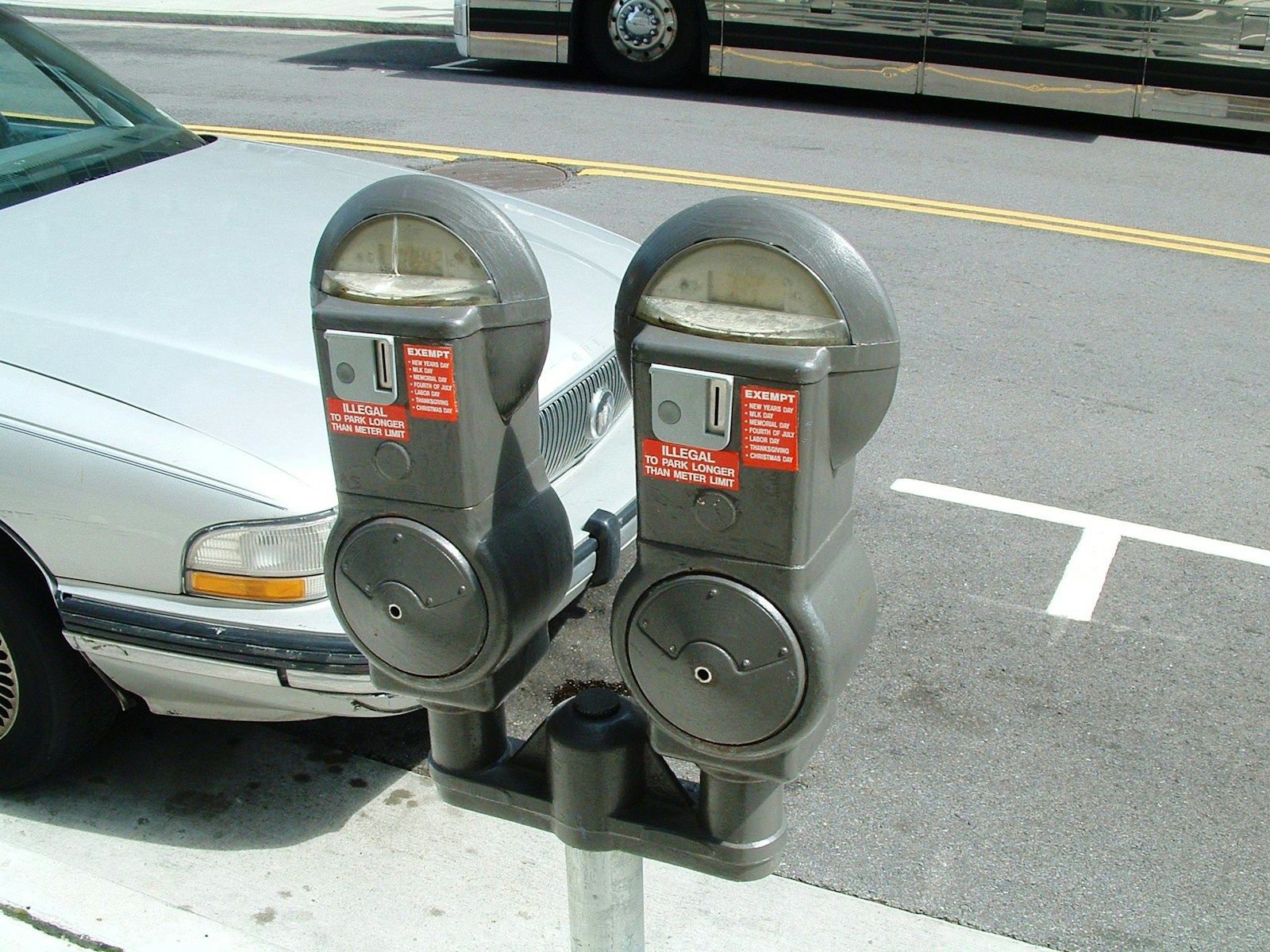

It’s one of those tiny urban moments that feels like a prank: you pull into a metered spot, glance at the meter, and it’s still got time left. Not “two minutes, good luck,” either — actual, usable time. You think, “Nice, I’ll just top it up if I need to,” and go about your day.
Then a parking enforcement officer strolls over, looks at your plate, and tells you something that sounds completely backward: the remaining time doesn’t carry over to you. Each vehicle has to start a new session. In other words, you can be parked beside a meter that says you’re paid up, and still get a ticket.
The moment that turns “lucky break” into “wait, what?”
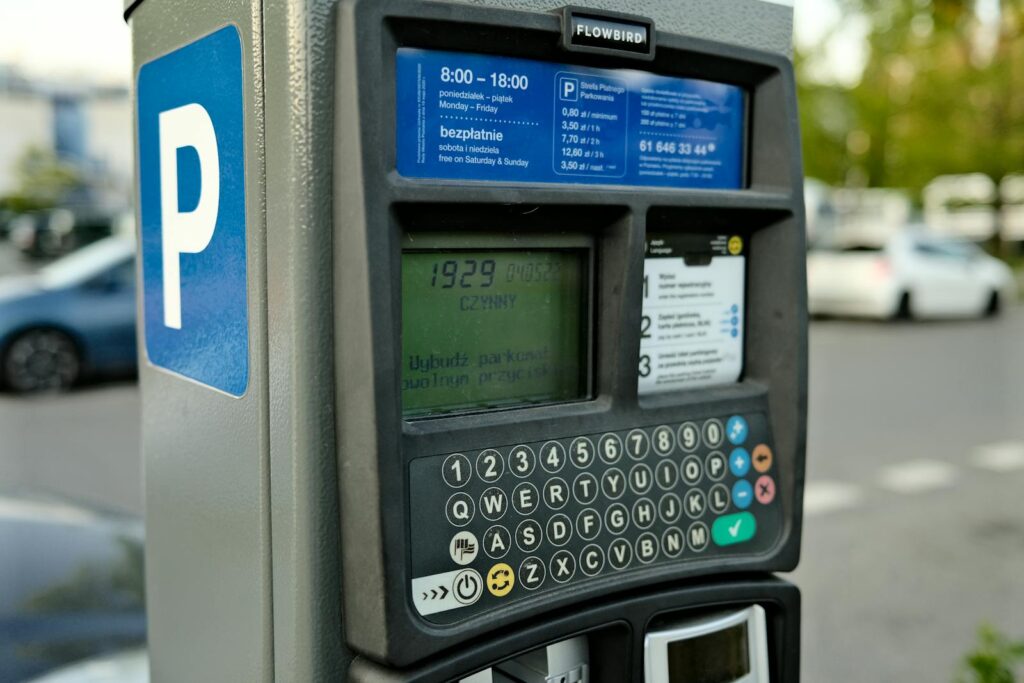
This situation is popping up in more cities as parking systems shift from old-school coin meters to pay-by-plate kiosks and app-based sessions. The confusion is understandable because the physical meter (or kiosk screen) often still shows time remaining, like it’s a shared resource for whoever parks there next. But many modern systems don’t work that way anymore.
Instead of paying for the space, you’re paying for a permission attached to your vehicle. The officer’s handheld device isn’t reading the meter’s remaining minutes — it’s checking whether your plate has an active session in that zone. And if your plate isn’t in the system, the time on the meter may as well be decorative.
Why cities are pushing “pay-by-plate” (even if it’s confusing)
Municipal parking departments love pay-by-plate for a few reasons, and none of them involve making your day easier. For one, it reduces “meter feeding” games where drivers swap spaces or share leftover time. It also cuts down on broken meters and coin collection hassles, which are expensive and, frankly, kind of ancient.
It also makes enforcement faster. Officers don’t have to stand there squinting at a meter or checking whether the sticker is upside down — they can scan plates and move on. From a city budget perspective, it’s efficient. From a driver perspective, it can feel like you’re playing a game where the rules changed but the board still looks the same.
So why does the meter still show time remaining?
This is where the frustration really earns its keep. In some places, the physical display is basically a legacy feature: the hardware wasn’t designed for the new logic, or the city hasn’t updated signage to match the payment rules. So the meter might show time remaining because the last driver paid at the curb, but the system still requires a fresh session tied to your plate.
In other cases, the display can reflect something like “zone time” or “max duration,” not your particular authorization. That makes it look like the spot is paid for, when what’s actually paid for is a specific vehicle’s permission to park there. It’s not intuitive — and that’s putting it politely.
What the enforcement officer is really saying
When an officer says, “Each vehicle must start a new session,” they’re basically describing a policy decision: leftover time isn’t transferable. Think of it like a movie ticket assigned to a seat and a showtime. If someone leaves early, you can’t just wander in and claim the rest of their ticket because the seat looks empty.
The catch is that parking has always felt like you’re paying for the space, not the car. That’s why the “non-transferable time” idea hits people as unfair — because it clashes with decades of expectations set by physical meters. If a meter is going to show time, most of us assume that time means the spot is covered. Reasonable, right?
Is it actually legal? Usually, yes (and that’s the annoying part)
In most cities with pay-by-plate systems, the local ordinance is written to make the vehicle session the thing that matters. That means the officer can ticket you even if the meter display suggests there’s time left. It’s not about what looks paid — it’s about what’s logged in the enforcement database.
That said, “legal” doesn’t always mean “well communicated.” If signage is unclear, contradictory, or missing, that’s often where appeals have the best shot. A lot of drivers aren’t trying to cheat the system; they’re responding to the information right in front of them.
How to protect yourself from a “but the meter said…” ticket
If you’re parking anywhere that uses apps, kiosks, or pay-by-plate, assume leftover time doesn’t count unless a sign explicitly says it does. Before you walk away, check the instructions on the meter or nearby signage — especially for phrases like “Pay by Plate,” “Session,” “License Plate Required,” or “Not transferable.” Those are your clues that the display time might not apply to you.
If you do pay, take a quick screenshot of the app confirmation or snap a photo of the kiosk receipt and the nearest zone number. It feels silly until the moment you need it. And if you’re in a hurry, remember that “I’ll risk it” is basically parking-speak for “I’m donating to city revenue.”
If you get ticketed, here’s what’s worth trying
First, don’t ignore the ticket’s instructions and deadlines — cities love late fees the way coffee shops love upsells. Look closely at the ticket details: time, location, zone, and any notes. If anything is wrong (wrong plate, wrong zone, wrong time), that’s solid appeal material.
Next, document what you saw. If the meter display showed time remaining, take a photo of the meter, the space number (if there is one), and any signage nearby. Your argument isn’t just “this feels unfair,” it’s “a reasonable driver would believe payment was valid based on the information presented at the curb.”
Finally, keep your tone calm in an appeal. It’s tempting to go full Shakespeare about injustice, but a simple, factual summary works better. If the city’s signage is unclear, say that — and include the photos.
The bigger question: is this policy fair?
Here’s where people split. Cities argue that non-transferable sessions prevent abuse and keep parking turnover consistent. Drivers argue that if the curbside display says time remains, it’s misleading at best — and a sneaky “gotcha” at worst.
My take? If the rules are “each vehicle must start a new session,” fine — but then the meter shouldn’t look like it’s selling time to the next person. Either the display should clearly say “Paid to Plate ####” (some systems do), or the signage should be loud and obvious. Anything else feels like the parking equivalent of a store putting the wrong price tag on an item and blaming you for believing it.
What to watch for the next time you park
As more cities modernize parking tech, this kind of confusion is going to keep happening, especially in areas where old meters and new rules overlap. If you see time remaining, treat it as a visual hint — not a guarantee. The only thing that matters is whether your plate has an active session in that zone.
It’s not the fun answer, but it’s the one that saves you money. And honestly, if you ever find a parking system that’s both intuitive and forgiving, take a photo. That’s basically a rare bird sighting these days.
More from Steel Horse Rides: