

Farrow Harley-Davidson, widely recognized as the oldest Harley dealership in the United States, is closing its Sunbury, Ohio, location after a run that stretches back to 1912. The Schipper family, which now operates the business, announced in early 2026 that it would consolidate into a single Columbus storefront, effectively ending the small town’s direct link to more than a century of motorcycle retail history, as first reported by The Columbus Dispatch.
The closure is not just a local loss. It lands in the middle of a broader wave of Harley-Davidson dealership shutdowns across the country, driven by shrinking margins, an aging customer base and a brand struggling to attract the next generation of buyers.
What Sunbury is losing
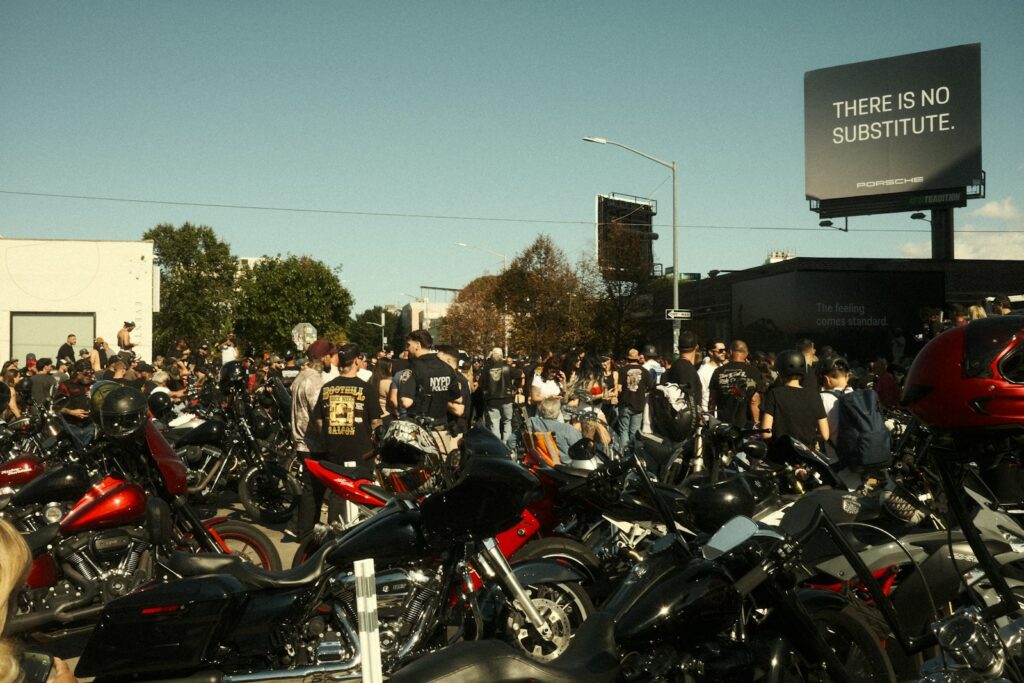
The Farrow name has been shorthand for Harley-Davidson in central Ohio for generations. The original shop opened in 1912, and while ownership has changed hands over the decades, the dealership maintained a continuous presence that made it a gathering point for riders across the region. On weekends, the Sunbury parking lot doubled as a staging area for group rides. During the week, the service counter was where regulars swapped stories and checked in on each other.
Sunbury itself has changed around the dealership. Residential development has pushed into the surrounding farmland, and the old two-lane routes that once funneled weekend traffic past the shop now compete with highway bypasses. The Schippers determined that running two full dealerships in the same metro area no longer penciled out and chose to keep the Columbus location, which offers higher visibility and foot traffic. The Farrow name will continue there, but the Sunbury building, and the particular culture it housed, will not.
A pattern playing out nationwide
Farrow is far from the only legacy dealer to close recently. In June 2024, San Francisco Harley-Davidson, a dealership descended from the Dudley Perkins Co. and in operation since 1914, shut down without warning after 110 years. Owner Matt Weber, who had purchased the store in 2018, told staff and customers the business simply could not sustain itself. Riders who had bought their first bikes on that showroom floor called the loss devastating.
Other closures have followed a similar script. In the Midwest, dealers in Illinois and Missouri have shuttered locations in recent months. In New York City, a Manhattan Harley-Davidson store closed, with ownership citing economic pressures. A major dealer group also shut two locations, with critics pointing to corporate strategy as a contributing factor. No single closure tells the whole story, but taken together, the pattern is hard to ignore: the dense, community-rooted dealer network that defined Harley culture for decades is thinning out.
The financial squeeze behind the closures
The economics of running a Harley-Davidson dealership have shifted dramatically. Dealers carry significant flooring costs to stock new inventory, and the bikes themselves have moved upmarket. The average transaction price on a new Harley touring model now exceeds $25,000, which narrows the pool of walk-in buyers. Meanwhile, the core Harley customer, historically a male rider between 45 and 65, is aging out of the market. Younger riders, when they buy at all, tend to gravitate toward used bikes, smaller-displacement models or brands like Royal Enfield and Honda that offer lower price points.
Harley-Davidson’s own financial results reflect the pressure. The company’s Q4 2024 earnings, reported in February 2025, showed a sharp decline in both revenue and unit shipments compared to the prior year, continuing a trend that has squeezed dealer profitability across the network. Some franchise owners have publicly blamed CEO Jochen Zeitz’s strategy of pushing the brand toward premium pricing and lifestyle positioning, arguing it has alienated the everyday riders who kept showrooms busy. Harley-Davidson corporate has maintained that its “Hardwire” strategic plan is designed to strengthen long-term profitability, but for dealers watching floor traffic drop quarter after quarter, the long term can feel like a luxury they cannot afford.
What comes next
The Farrow name will survive at the consolidated Columbus dealership, and riders in central Ohio will still have a place to buy parts, get service and browse new models. But the Sunbury closure removes something that a bigger urban store cannot replicate: the small-town dealership where everybody knew your bike and your name, where a Saturday morning oil change turned into a three-hour conversation, and where the history of American motorcycling was not a marketing tagline but something you could feel in the building itself.
Across the country, the question is no longer whether more dealerships will close. It is how many will be left when the contraction finally levels off, and whether the culture that grew up around those shops can survive without them.
More from Wilder Media Group: