
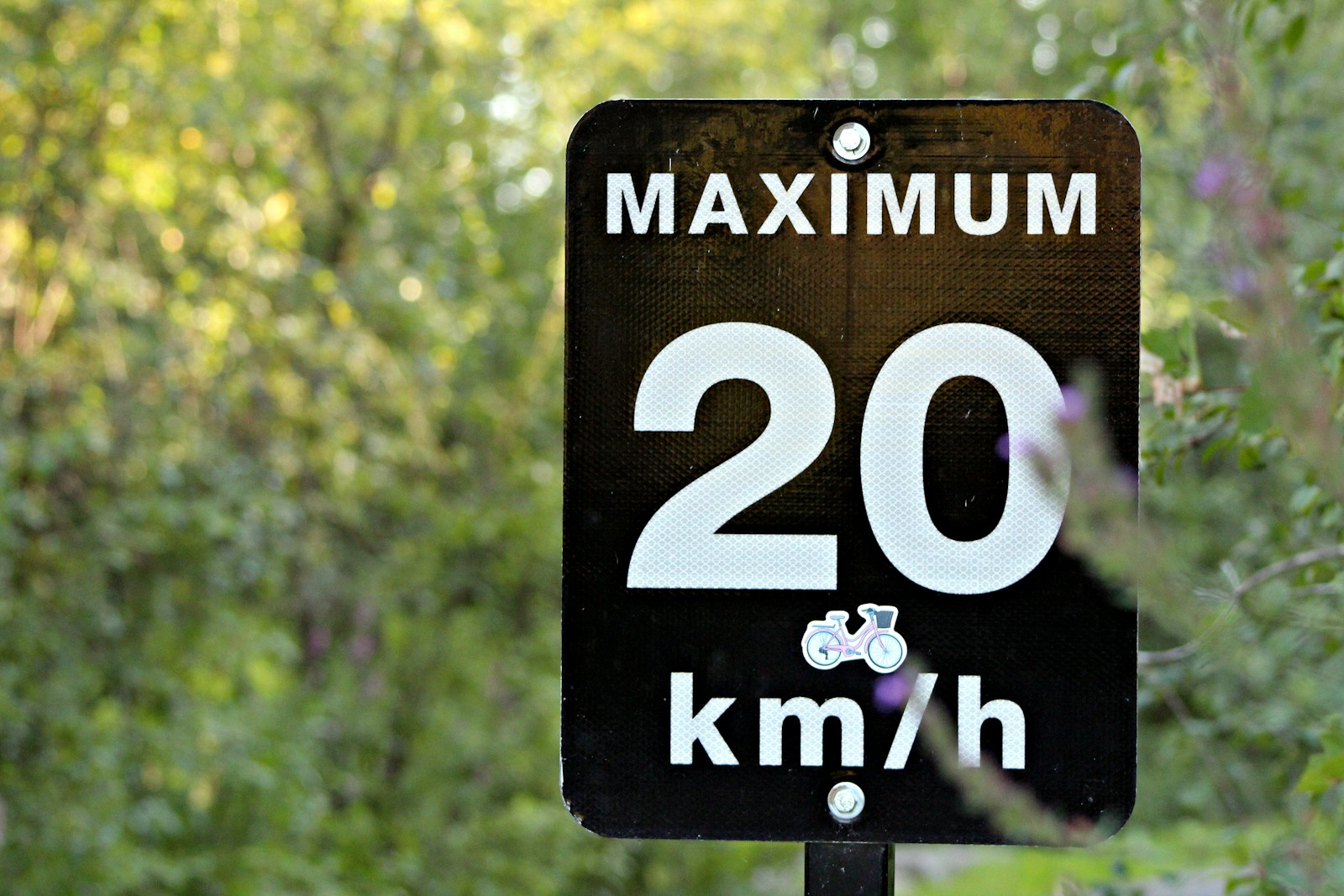

A driver doing 25 miles per hour on a residential street used to be considered cautious. In a growing number of American cities, that same driver is now five over the limit and, depending on the block, may be on camera.
From New York City to suburban Colorado to school zones across California, local governments are dropping neighborhood speed limits to 20 MPH and backing them with automated enforcement that did not exist a few years ago. The trend has accelerated through early 2026, driven by crash data, pedestrian safety research, and a political willingness to prioritize slower streets over faster commutes.
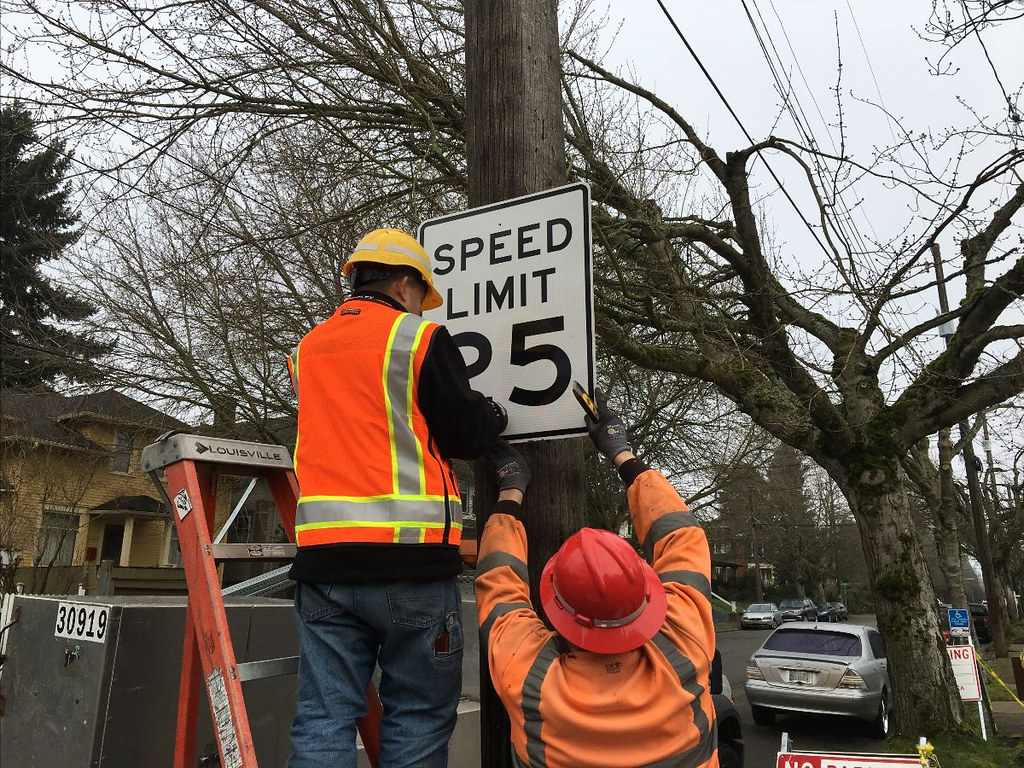
Why 20 MPH is the new target number
The push for 20 MPH is grounded in physics. A pedestrian struck by a vehicle traveling 20 MPH has roughly a 90% chance of surviving, according to research from the AAA Foundation for Traffic Safety. At 30 MPH, that survival rate drops to about 60%. At 40, it falls below 30%. For cities trying to eliminate pedestrian deaths, the difference between 20 and 25 is not a rounding error. It is the gap between a bruise and a fatality.
That research has given local officials political cover to do something that was once considered too aggressive: setting default residential limits below 25 MPH, the standard that has held in most states for decades.
California lowers school-zone limits and adds cameras
California now allows cities to reduce school-zone speed limits from 25 MPH to 20 MPH, a provision that remains in effect through January 1, 2031. The change, detailed in a summary of 2026 California speed law updates, gives municipalities the flexibility to treat the blocks around campuses as tighter safety corridors during drop-off and pick-up hours. Fines for speeding in these zones start at $50 for exceeding the limit by 11 to 15 MPH and climb to $100 for 16 to 25 MPH over. (Those are base fines; with California’s surcharges and penalty assessments, the actual amount a driver pays is typically several times higher.)
Separately, Assembly Bill 645 authorized a speed camera pilot program that allows select California cities to install automated enforcement systems on designated corridors. The pilot caps base fines at $500 per violation and includes restrictions on camera placement intended to keep the program focused on high-risk streets rather than revenue generation. As of early 2026, several cities are in various stages of implementation, with Los Angeles, San Jose, and Oakland among those approved to participate.
New York City carves out entire slow regions
New York City is taking the concept further than most. Rather than lowering limits on individual streets, the city’s Department of Transportation has designated entire Regional Slow Zones where the speed limit drops to 20 MPH. The newest zones, announced by NYC DOT, cover DUMBO in Brooklyn, Broad Channel in Queens, New Brighton on Staten Island, and City Island in the Bronx. All four areas were selected because of elevated rates of traffic injuries over the preceding five years.
The zones come with new signage, speed bumps, and other traffic-calming infrastructure. Ben Furnas, executive director of the advocacy group Transportation Alternatives, said in the city’s announcement that “a 20 MPH speed limit keeps New Yorkers safe” and that “slower streets will prevent more crashes and save lives in every corner of the city.”
New York’s approach reflects a broader shift in how cities think about speed limits. Instead of treating each block as an isolated decision, planners are drawing boundaries around entire neighborhoods and applying a single, lower standard to everything inside.
Colorado rolls out mobile speed cameras in school zones
In Commerce City, Colorado, police have begun deploying mobile speed cameras on neighborhood streets and in school zones. The city’s program includes a 30-day warning period during which drivers receive notices but no fines, giving residents time to adjust before enforcement begins. After the grace period, citations are mailed to the registered owner of the vehicle.
The Commerce City model mirrors what is happening in dozens of smaller municipalities that lack the budget for permanent camera infrastructure but want automated enforcement in targeted areas. Mobile units can be repositioned based on complaint data and crash history, making them a flexible tool for departments that cannot staff every school zone with a patrol car.
The enforcement shift: cameras, owner liability, and fewer warnings
What ties these local efforts together is a change in how speed limits are enforced, not just where they are set. Camera-based systems in most jurisdictions now issue citations to the registered owner of the vehicle rather than requiring identification of the driver. That approach sidesteps the logistical problem of proving who was behind the wheel and instead places responsibility on owners to manage how their vehicles are used.
Several states have also moved toward stricter enforcement postures in 2026, reducing officers’ discretion to issue verbal warnings for speed violations. The practical effect is that a 20 MPH sign increasingly means 20, not “20 but you probably won’t get pulled over until 30.”
Not everyone is on board. Speed cameras remain politically divisive. As of early 2026, at least nine states still prohibit automated speed enforcement entirely, and legislative efforts to expand camera programs have stalled in several others. Critics argue that camera tickets disproportionately affect lower-income drivers and that revenue incentives can distort enforcement priorities. Supporters counter that cameras enforce limits consistently, without the racial profiling risks associated with discretionary traffic stops.
What drivers should expect going forward
For the average driver, the practical takeaway is simple: residential speed limits are dropping, enforcement is getting more automated, and the margin for “just a little over” is shrinking. Cities that once treated 25 MPH as the floor for neighborhood streets are now treating 20 as the ceiling, and the infrastructure to back that up is being installed in real time.
Whether the trend continues to spread will depend on crash data from the early adopters. If cities like New York and the California pilot participants can show measurable reductions in pedestrian injuries, the political case for 20 MPH zones will only get stronger. If the data is ambiguous, expect the debate over cameras and lower limits to intensify heading into 2027 legislative sessions.
More from Wilder Media Group: