
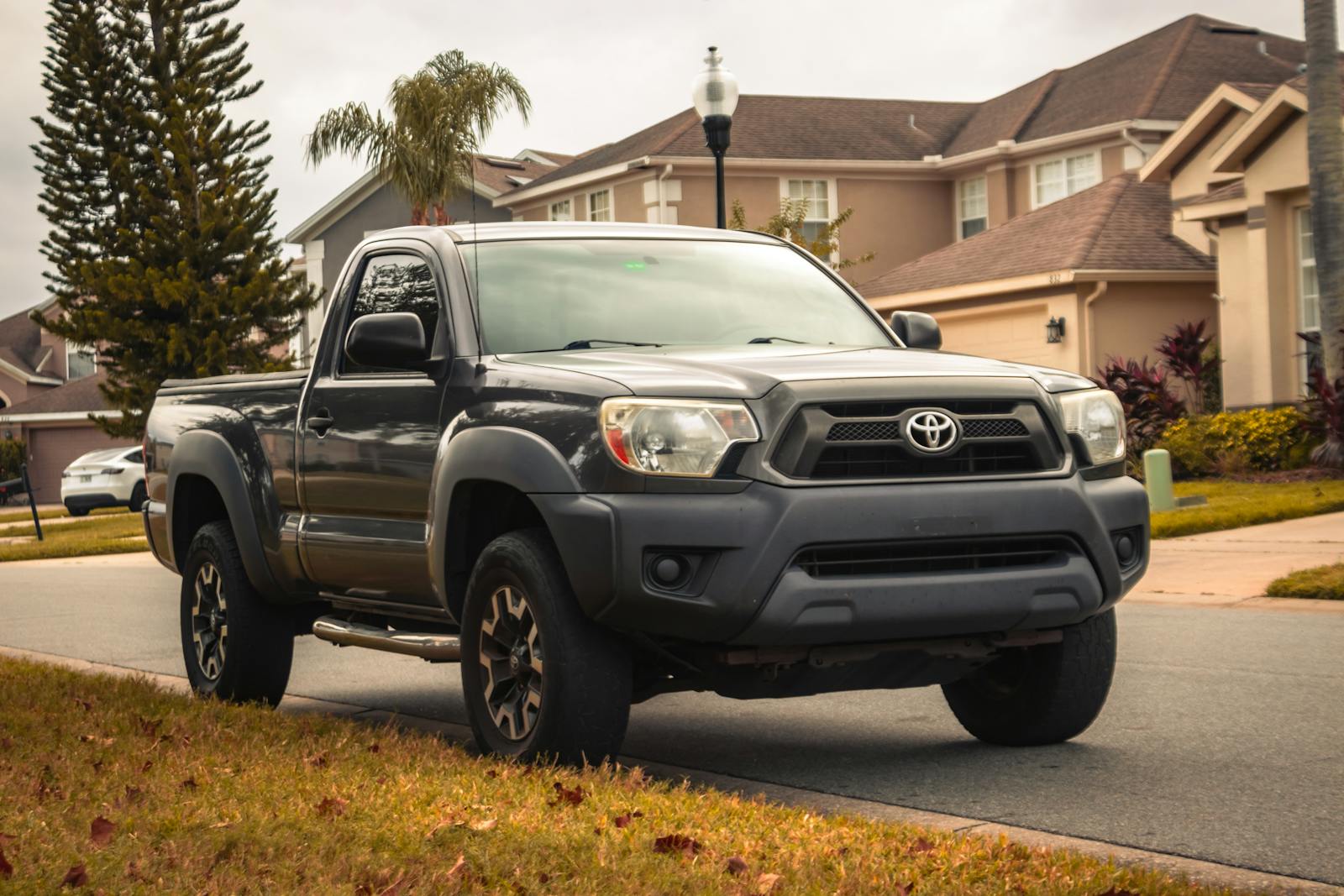

A Texas truck owner recently posted online that he lent his pickup to a longtime friend for a weekend move. The truck came back with a destroyed transmission and a casual excuse: “It was probably already going out.” The repair estimate was $4,800. The friendship, by most accounts, did not survive the invoice.
Stories like this circulate constantly on advice forums and social media, but the underlying problem is both common and legally significant. When someone borrows a vehicle and returns it damaged, the owner faces a collision of money, liability, and personal loyalty that few people are prepared to navigate. Here is what mechanics, attorneys, and insurance professionals say about who actually pays when a loaned vehicle breaks down.
How much a transmission replacement actually costs
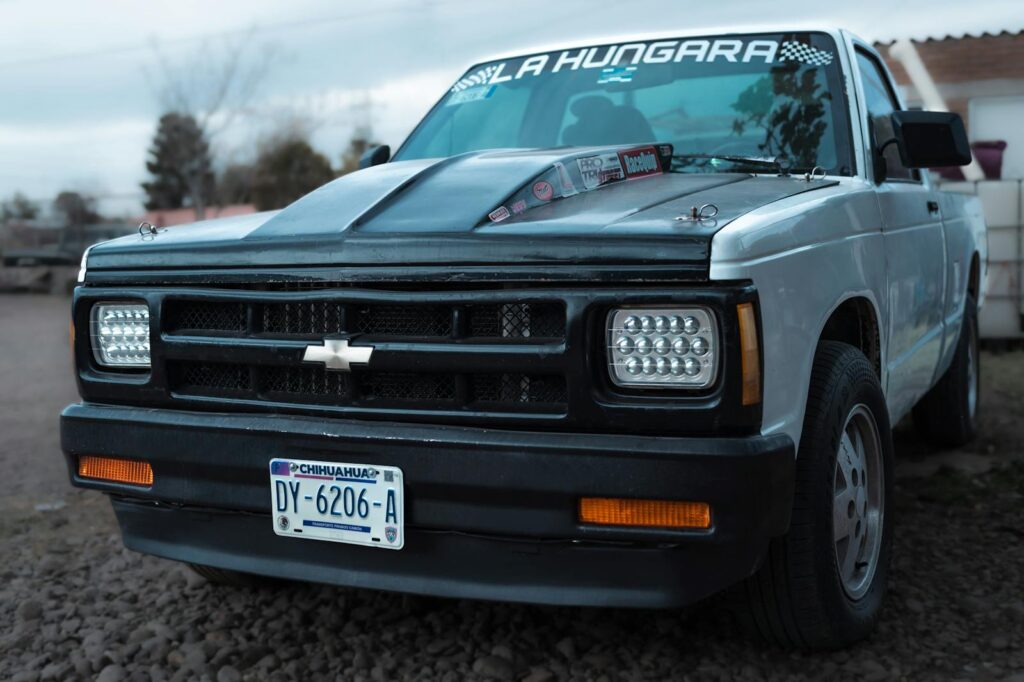
The financial sting is real. According to RepairPal, a full transmission replacement on a pickup truck typically runs between $3,500 and $7,000 depending on the make, model, and whether the shop installs a rebuilt or new unit. For older trucks where the vehicle’s total value may only be $5,000 to $8,000, that single repair can approach or exceed what the truck is worth, forcing the owner into an impossible calculation: fix it, scrap it, or try to recover the cost from a friend.
Mechanics note that sudden, catastrophic transmission failure in a vehicle with no prior symptoms often points to severe abuse: towing beyond the vehicle’s rated capacity, aggressive driving at high RPMs, or ignoring warning signs like slipping gears or burning fluid smell. A qualified transmission shop can usually determine whether the failure pattern is consistent with gradual wear or acute stress, and that diagnosis becomes critical if the dispute heads to court.
The legal framework: bailment and borrower liability
The legal concept governing this situation is called bailment, a term most people never encounter until something goes wrong. When an owner (the bailor) hands over property to another person (the bailee) for temporary use, the bailee has a legal duty to return that property in the same condition, or be liable for the difference. This principle applies in every U.S. state, though the specifics vary.
In practice, that means a borrower who returns a vehicle with a blown transmission can be held financially responsible if the owner can demonstrate the truck was functional before the loan and damaged during or immediately after the borrower’s use. According to attorneys who handle small claims disputes, the strongest cases include a pre-loan maintenance record showing no transmission issues, a written or text-message agreement about the loan’s terms, and a mechanic’s written assessment linking the failure to misuse rather than normal wear.
Small claims court is the most common venue for these disputes. Filing fees are typically between $30 and $75, and most states set small claims limits between $5,000 and $10,000, which covers the majority of transmission repairs. The owner does not need a lawyer to file. However, judges will not simply take the owner’s word that the truck was fine before the loan. Without documentation, the case often becomes one person’s account against another’s, and that ambiguity tends to favor the borrower.
What auto insurance does and does not cover
Many vehicle owners assume their insurance will handle the situation, but standard auto policies have significant gaps here. Most personal auto insurance policies follow the vehicle, not the driver, meaning the owner’s policy is the primary coverage if a permitted driver causes a collision. However, collision coverage pays for accident damage, not mechanical failure. A blown transmission caused by hard driving, not a crash, is almost never a covered claim.
If the borrower did cause a collision that also damaged the transmission, the owner’s collision coverage would apply, but the owner would be responsible for the deductible. In the widely discussed Reddit case where a borrower wrecked a friend’s truck and refused to pay a $1,500 deductible, thousands of commenters sided with the owner. The borrower’s response, essentially asking what he was supposed to do with that information, became a shorthand online for the kind of deflection that ends friendships.
The takeaway: insurance rarely makes the owner whole in a borrowed-vehicle scenario involving mechanical damage, and even in a crash, the owner still absorbs the deductible unless the borrower voluntarily covers it.
Why these disputes destroy friendships
The financial damage is often secondary to the relational fallout. Across forums and social media discussions, a consistent pattern emerges: the friendship does not end because of the repair bill. It ends because of the borrower’s response. When a borrower immediately acknowledges the problem, offers to help pay, or at minimum expresses genuine concern, owners report being far more willing to negotiate or even absorb part of the cost. When the borrower deflects, minimizes, or disappears, the owner reads that as a statement about how much the friendship was worth.
One commenter in a Reddit advice thread put it simply: “It’s not about the money. It’s about whether they act like someone who borrowed your truck or someone who got caught.” That distinction, between accountability and avoidance, is what determines whether the relationship survives.
Practical steps if you are the owner
If you have already lent a vehicle and it came back damaged, attorneys and experienced owners suggest a specific sequence:
- Get a professional diagnosis first. Take the vehicle to a licensed transmission shop and ask the mechanic to document what failed and whether the failure pattern is consistent with abuse, neglect, or pre-existing wear. Get this in writing.
- Gather your records. Pull together any maintenance history, recent inspection reports, or text messages that show the truck was running properly before the loan. Save any messages between you and the borrower about the loan’s terms or the borrower’s acknowledgment of the damage.
- Have a direct conversation. Present the diagnosis and the repair estimate. Ask the borrower to cover the cost, or propose splitting it if the mechanic’s findings are ambiguous. A payment plan is a reasonable offer that signals good faith.
- File in small claims if necessary. If the borrower refuses to engage, small claims court exists for exactly this kind of dispute. Bring the mechanic’s report, your maintenance records, and any relevant messages.
The goal is to separate the emotional betrayal from the financial claim. You may not save the friendship, but you can recover the repair cost if your documentation is solid.
The rule many owners adopt after getting burned
For a significant number of vehicle owners, the lasting outcome is not a court judgment or a repaired transmission. It is a personal policy: never lend the truck again. In comment sections and forum threads, this sentiment appears with striking consistency. One user on a country radio show’s Facebook page recalled his grandfather’s advice: if you lend something, treat it as gone in your mind, so you are not devastated if it comes back broken or does not come back at all.
That philosophy may sound cynical, but it reflects a practical reality. Lending a vehicle means transferring temporary control of a machine worth thousands of dollars to someone whose driving habits, mechanical knowledge, and sense of responsibility you may not fully understand. For owners who have been through a borrowed-truck disaster, the math is simple: the risk is not worth the favor.
More from Wilder Media Group: