
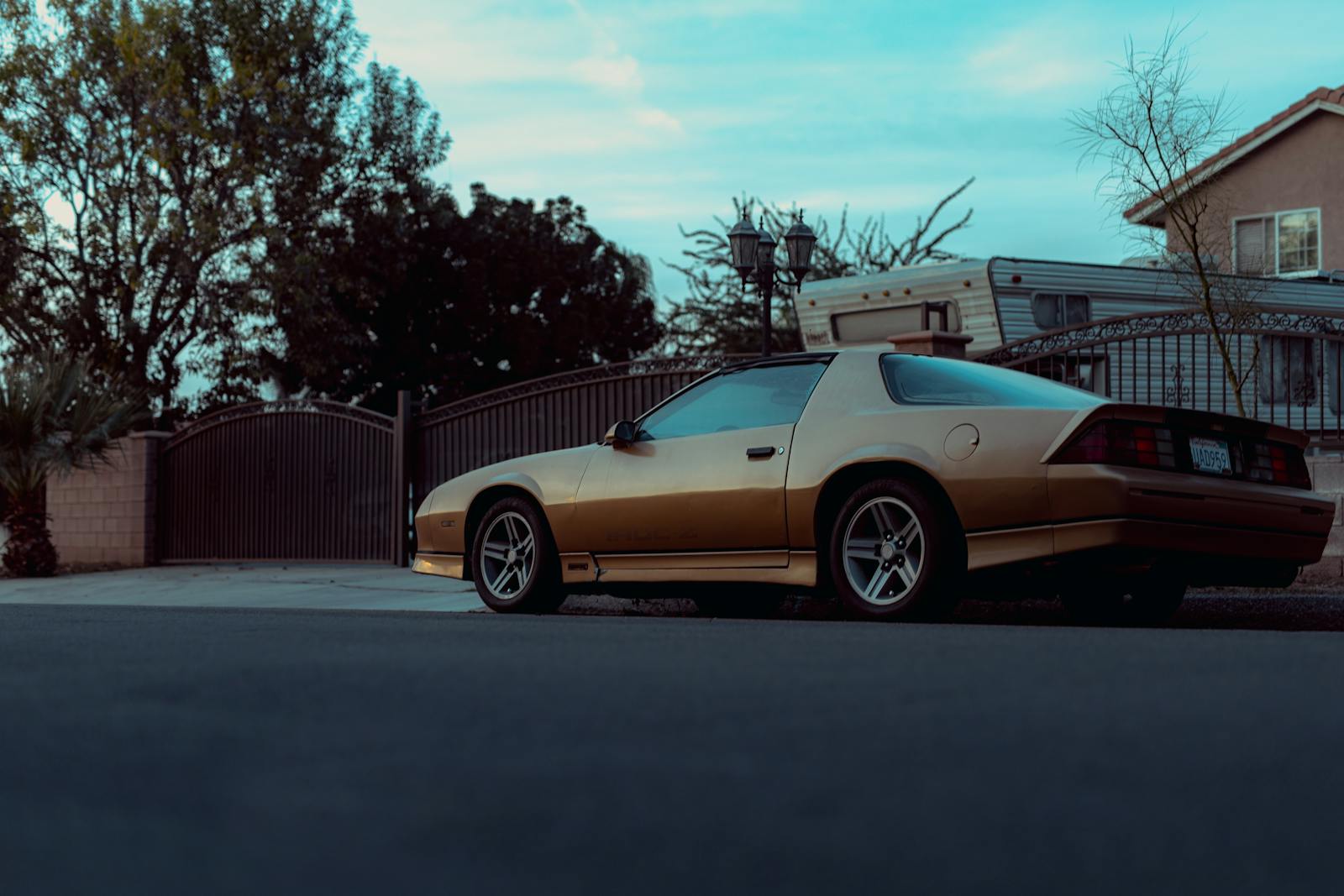

One resident pulls into the garage after a long shift and finds the same car angled across two painted stalls, again. The SUV to the left can’t fit. The sedan behind it is idling near the entrance. Nobody can move without a three-point negotiation that feels less like parking and more like defusing a bomb.
Scenes like this are playing out in apartment complexes and condominiums across the country, and they are generating a growing stream of tenant complaints, property-management headaches, and, in some cases, legal action. As urban housing density increases and many households own more vehicles than their buildings were designed to hold, a single driver who treats shared parking as a personal reserve can turn a garage into a daily conflict zone.
Here is what residents, landlords, and attorneys say about how these disputes start, why they escalate, and what actually works to resolve them.

Why Double-Parking in a Garage Matters More Than It Seems
When one car straddles the line between two stalls, the math is simple: a garage that fits ten vehicles now fits nine, or eight, depending on how badly the offender is angled. For residents who depend on predictable access to get to work, pick up children, or make medical appointments, losing a stall is not a minor annoyance. It is a disruption with real consequences.
Most shared garages operate under rules set by a lease, a homeowners association (HOA), or a condominium declaration. According to guidance from Super Lawyers, the first step in any parking dispute is confirming what those governing documents actually say. If painted lines or numbered stalls exist, management typically has a clear basis to treat chronic double-parking as a rule violation, not just a courtesy issue, and to issue warnings, fines, or towing authorization.
The problem is that many residents never read their lease’s parking provisions until a dispute forces them to. Knowing the rules before a confrontation gives a tenant standing that a frustrated knock on a neighbor’s door does not.
When Inconvenience Becomes a Safety Problem
Parking disputes in enclosed garages carry risks that street-level conflicts do not. Garages have low ceilings, blind corners, narrow lanes, and limited sightlines. When one car forces others into tighter angles or longer reversing distances, the chance of a collision, a fender scrape, or a pedestrian being struck goes up.
The Canadian Centre for Occupational Health and Safety (CCOHS) has noted that backing-up incidents account for a significant share of vehicle-related injuries in constrained environments, a finding rooted in workplace data but directly relevant to any space where drivers reverse in close quarters. Residential garages add another variable: children, cyclists, and pedestrians moving through areas that were designed for cars, not foot traffic.
Fire codes in most U.S. jurisdictions also require that garage lanes remain clear enough for emergency vehicle access. A car parked diagonally across two stalls, especially near an entrance or exit, can narrow the effective lane width below what local fire marshals consider safe. Residents concerned about blocked access may find that a fire-code complaint carries more weight with management than a parking-etiquette grievance.
The Confrontation Question: Talk First or Escalate?
For many tenants, the hardest part of a parking dispute is not the parking itself. It is deciding whether to say something directly to the neighbor or go straight to management.
Property attorneys generally recommend starting with a calm, direct conversation. Super Lawyers’ guidance on parking disputes suggests that many offenders are genuinely unaware of the impact and will adjust after a single, non-confrontational request. The key, attorneys say, is to describe the specific problem (“Your car is over the line, and I can’t open my driver’s side door”) rather than make a character accusation (“You’re selfish”).
Online tenant communities reflect a wider split. In a Reddit thread about shared first-come-first-served parking, commenters advised a frustrated tenant to document every incident, remain calm, and let the offender’s behavior “look bad on him to management or the police” rather than match aggression with aggression. Others in a Los Angeles discussion about drivers hogging curb space recommended filing 311 complaints when conversations fail, noting that a paper trail with the city can prompt enforcement that a neighbor-to-neighbor chat cannot.
The consensus across legal and tenant-advice sources is a laddered approach: speak to the neighbor first, follow up in writing if the behavior continues, then involve management or local authorities. Skipping straight to a formal complaint can poison a living situation unnecessarily, but waiting too long can allow the problem to become entrenched.
Legal Tools When Courtesy Runs Out
If direct communication and management complaints fail, residents have several formal options, though the strength of each depends on the type of housing and local law.
Lease enforcement. In a rental building, the landlord is typically responsible for enforcing parking provisions in the lease. A tenant who documents repeated violations and reports them in writing puts the landlord on notice. If the landlord fails to act, the affected tenant may have grounds to argue that the landlord is not upholding habitability or contractual obligations, depending on the jurisdiction.
HOA or condo association action. In owner-occupied buildings, the HOA or condo board can levy fines, restrict parking privileges, or authorize towing under most governing documents. Legal resources on parking disputes note that associations that fail to enforce their own rules consistently may face liability from affected owners.
Local ordinances and towing. Many municipalities have ordinances that allow towing of vehicles that block access in private garages or violate posted parking rules. Residents should check whether their city requires signage, a property-owner request, or a police report before a tow company will act.
Small claims or civil court. In persistent cases involving property damage or provable financial harm (missed work, car damage from forced tight maneuvering), a resident may pursue a claim in small claims court. This is a last resort, but the existence of the option can motivate a landlord or HOA to act before litigation becomes necessary.
Throughout any escalation, documentation is critical. Timestamped photos of the offending vehicle, written logs of blocked access, and copies of all communications with management create a record that supports every step above.
What Actually Works: Lessons From Tenants Who Have Been There
Tenants who have resolved shared-parking disputes tend to emphasize a few consistent strategies:
- Know your lease or HOA rules before you confront anyone. The conversation changes when you can cite a specific provision rather than appeal to fairness.
- Put it in writing after the first conversation. A polite follow-up email or text (“Just wanted to confirm what we discussed about the parking stalls”) creates a record and signals seriousness without hostility.
- Loop in management early, not late. Property managers would rather address a parking complaint before it becomes a feud between tenants. Framing the issue as a building-wide safety concern, not a personal grudge, tends to get faster results.
- Avoid self-help remedies. Blocking the offender’s car in, leaving aggressive notes, or parking in their space may feel satisfying but can escalate the conflict and, in some jurisdictions, expose the retaliating tenant to liability.
- Be patient, but set a deadline. Give the neighbor and management a reasonable window to fix the problem. If nothing changes, move to the next step on the escalation ladder without guilt.
Shared-parking disputes rarely make headlines, but for the people living through them, few household conflicts feel more personal. A garage is not just a place to store a car. It is the first and last space residents pass through every day, and when one neighbor treats it as theirs alone, the friction radiates into every other interaction in the building. The good news is that most of these disputes are solvable, provided someone is willing to start the conversation and follow through if it does not stick.
More from Wilder Media Group: