
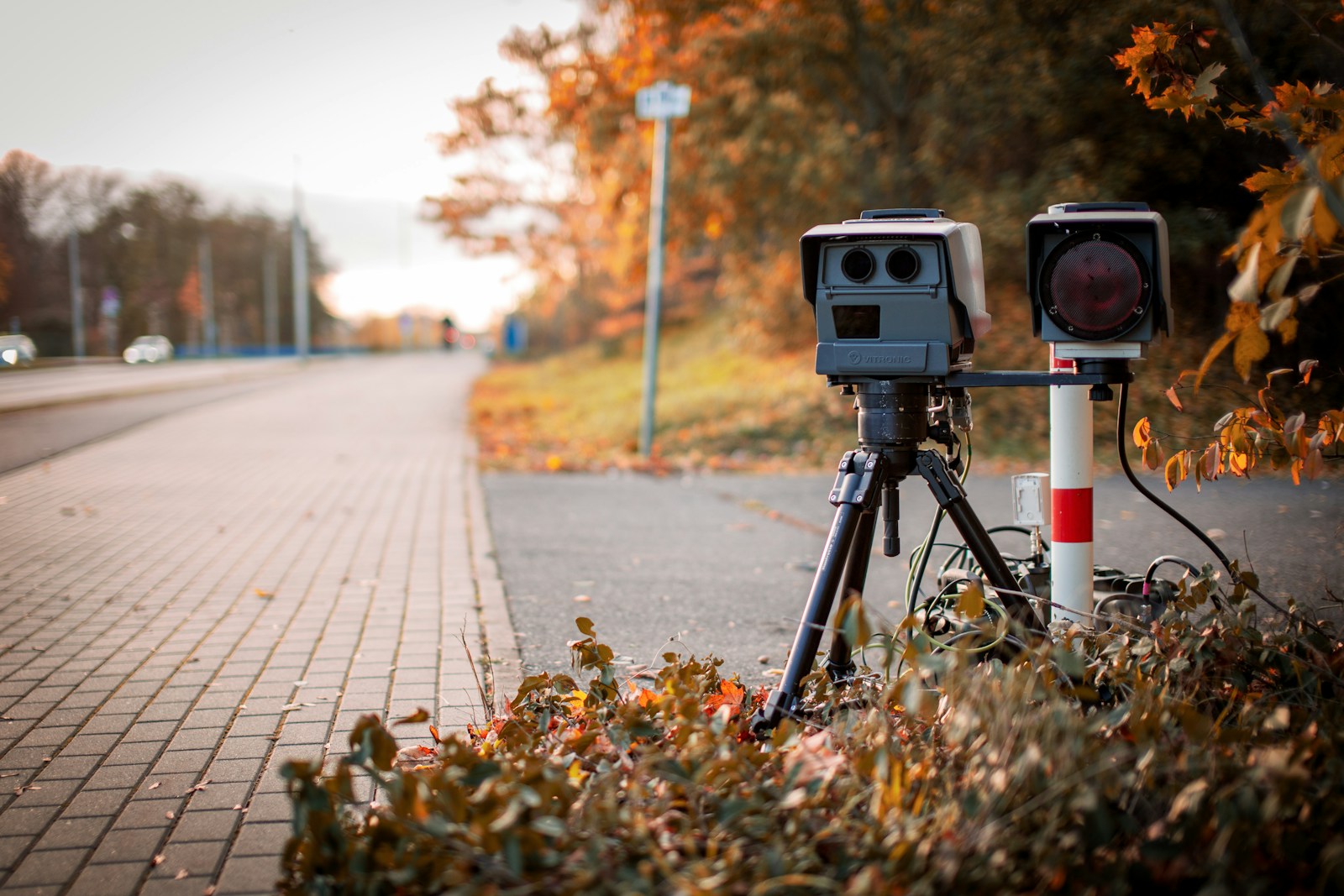

In late 2021, a motorist on a smart motorway received a speeding ticket and refused to pay it. The driver was certain the overhead gantry had displayed a limit they had not exceeded. That single challenge, pursued through formal complaints and eventually legal channels, set off a chain of technical reviews that has since exposed one of the largest automated enforcement failures in British road history.
As of early 2026, National Highways has confirmed that a synchronisation fault in variable speed cameras on smart motorways and major A-roads caused thousands of drivers to be wrongly recorded as speeding. The confirmed figure stands at 2,650 erroneous activations identified in initial reviews, but the investigation has since expanded to at least 40 camera sites, and motoring lawyers say the true number of affected motorists could reach into the tens of thousands. Fines were paid, penalty points were added to licences, insurance premiums rose, and in some cases drivers may have faced disqualification, all on the basis of readings that did not reflect reality.
How the fault worked
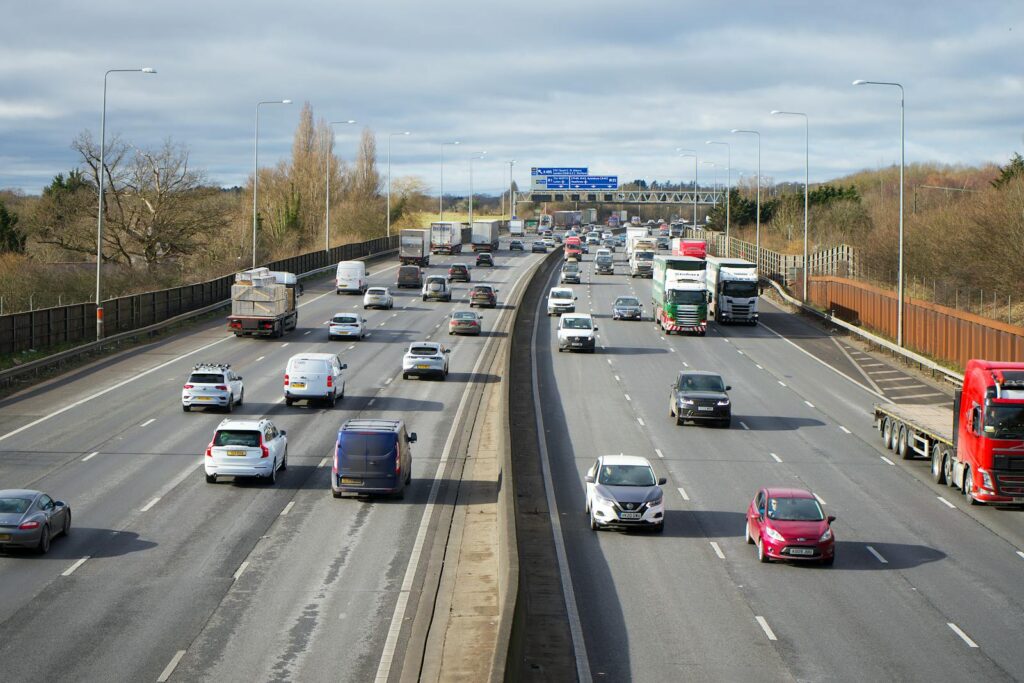
Smart motorways use variable speed limits that change in response to congestion, incidents, or weather. Overhead gantry signs display the current limit, and roadside cameras are supposed to update simultaneously so that enforcement matches what drivers can see. The fault, confirmed by National Highways, involved a timing lag: when a speed limit changed on the gantry, some cameras continued enforcing the previous, lower limit for a period afterward. A driver who saw a 60mph sign, slowed to 60mph, and passed the camera at 58mph could still be flashed if the camera had not yet registered the change from 50mph.
As Auto Express reported, the result was that motorists obeying the displayed limit were penalised for exceeding a limit that, from their perspective, no longer applied. Traffic law specialist Anton Sullivan, speaking on BBC Morning Live, described the situation as one where compliant drivers were caught by a system running out of sync with itself.
Which roads are affected
The fault is not limited to a single stretch of tarmac. National Highways has confirmed that the problem involves variable speed cameras on both smart motorways and key A-roads across England. Reporting by the BBC indicates that the issue has been present since 2021, covering a period during which smart motorway enforcement was active on sections of the M1, M6, M25, M62, and other major routes. The investigation into 40 individual camera sites suggests the defect was systemic rather than isolated to one contractor or one piece of hardware.
For drivers, the geographic spread matters because it means a wrongful fine could have been issued on any smart motorway or variable-limit A-road in the network, not just the most high-profile or controversial sections.
The scale of penalties issued
The initial review identified 2,650 erroneous camera activations, a figure National Highways has described as a starting point. Each activation could represent a £100 fine and three penalty points on a licence, or, for drivers who contested and lost, a court conviction carrying a heavier fine and higher points. Beyond the direct penalties, motoring organisations including the RAC have pointed to secondary costs: higher insurance premiums, lost no-claims bonuses, and the stress of fighting a charge that the system itself had generated in error.
As Fleet News reported, National Highways has committed to working with police forces and the courts to cancel fines, refund payments, and remove penalty points from affected licences. However, no public timeline has been given for completing that process, and drivers who accumulated 12 or more points partly on the basis of faulty readings face the more complex question of whether disqualifications can be reversed.
Why it took so long to surface
One of the most damaging aspects of the scandal is the gap between when the fault began and when it was publicly acknowledged. The defect has been active since 2021, yet it only came to light because individual drivers challenged their tickets and pushed for technical explanations. National Highways did not proactively audit the synchronisation between gantry signs and cameras, and police forces that issued the resulting penalties had no independent way to verify that the camera data matched the displayed limit.
Critics, including motoring lawyers and the RAC, have argued that the lack of early transparency compounded the harm. Drivers who might have challenged a fine in 2022 or 2023 had no reason to suspect a systemic fault and many simply paid up. The reactive nature of the response, waiting for complaints rather than auditing the system, has raised broader questions about oversight of automated enforcement technology on British roads.
What affected drivers should do now
Drivers who received a speeding notice since 2021 for an offence on a smart motorway or variable-limit A-road should take the following steps:
- Check the offence location. Review the notice of intended prosecution or fixed penalty notice for the specific road and camera site. If it falls on a smart motorway or a major A-road with variable speed limits, it may be within the scope of the investigation.
- Contact the issuing police force. The force that sent the original notice is responsible for reviewing affected cases. Ask whether your offence location is among the sites under review.
- Gather supporting evidence. Dashcam footage, GPS or satnav logs, and any photographs of gantry signs from the time of the alleged offence can support a challenge or appeal.
- Seek legal advice if points are at stake. Drivers who are close to 12 points, or who were disqualified partly on the basis of a potentially faulty reading, should consult a motoring solicitor about reopening their case.
- Do not assume a paid fine cannot be revisited. Legal commentators have noted that even drivers who accepted a fixed penalty without contest may be able to have it overturned if their offence falls within the confirmed fault period and location.
What comes next
The investigation into 40 camera sites is ongoing, and the final number of affected drivers is not yet known. What is clear is that a system designed to improve safety on some of Britain’s busiest roads instead operated with a flaw that penalised the very behaviour it was supposed to encourage: drivers adjusting their speed in response to changing conditions. The credibility of variable speed enforcement now depends on whether National Highways and the police can complete their review transparently, compensate those who were wrongly fined, and demonstrate that the underlying technical fault has been permanently fixed.
For the motorist who started all of this by refusing to accept a single ticket, the vindication is significant but incomplete. The fault has been admitted. The question is whether the cleanup will match the scale of the problem.
More from Wilder Media Group: