


A driver’s excitement about purchasing his dream truck turned into frustration when the dealership told him the vehicle was already sold, then immediately tried to steer him toward a pricier alternative. The incident has sparked conversations online about common sales tactics used at car dealerships.
The driver spent hours at the dealership negotiating for a specific truck, only to be told it had been sold to someone else, followed by an immediate pitch for a more expensive model. This type of bait-and-switch scenario has been reported by other car buyers who discovered advertised vehicles were conveniently unavailable once they arrived at the lot.
The experience highlights ongoing issues with dealership transparency and inventory management. Similar complaints have surfaced about inaccurate online inventory listings where customers arrive to find their desired vehicle is no longer available, leaving them in a position where salespeople can pivot to selling different vehicles.
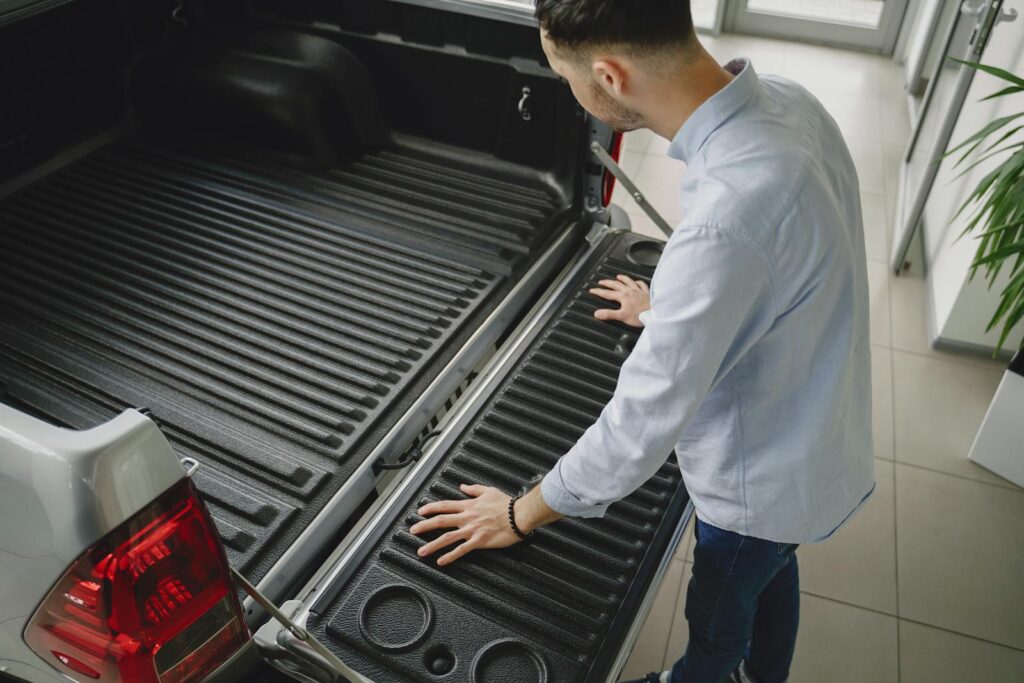
What Happened: Dealer Claimed Dream Truck Was Already Sold
A truck buyer encountered a frustrating sales tactic when the vehicle he’d been negotiating for suddenly became unavailable. The dealer then pivoted to promoting a pricier alternative instead of the model the customer originally wanted.
Initial Promise of Availability
The driver had his eye on a specific truck model that fit both his budget and preferences. He contacted the dealership and began the negotiation process for that exact vehicle.
The sales team engaged with him normally at first, discussing pricing and terms. Everything seemed to be moving forward as expected with the original truck he wanted to purchase.
There were no initial red flags suggesting the vehicle wouldn’t be available for sale. The dealer appeared ready to complete the transaction on the advertised model.
Dealer’s Sudden Change of Story
After investing time in negotiations, the dealer abruptly informed the driver that his dream truck was already sold. This revelation came after the customer had already committed time and effort to the buying process.
The timing of this disclosure raised questions about whether the truck was actually sold or if this was a deliberate sales tactic used by dealerships. Some buyers report spending hours completing paperwork only to be told the car was already sold.
The dealer didn’t end the conversation there. Instead, they immediately pushed a more expensive truck model as an alternative option.
Customer’s Reaction to the Situation
The driver felt blindsided by the sudden unavailability announcement. He questioned why he’d been allowed to negotiate for a vehicle that supposedly wasn’t available anymore.
The attempted upsell to a pricier model felt like a bait-and-switch scenario. The customer recognized this as a potential manipulation rather than genuine inventory management.
His frustration stemmed from the wasted time and the feeling that the dealer had been dishonest from the start. The situation left him questioning the dealership’s credibility and whether he should continue doing business with them at all.
Tactics Used by Dealers to Upsell Customers
Car dealerships employ various methods to steer customers toward more expensive vehicles than they initially intended to purchase. These techniques often involve misleading communication and high-pressure sales environments that catch buyers off guard.
Bait and Switch Strategies
Dealers advertise or discuss specific vehicles at attractive prices to get customers in the door, only to claim those vehicles are unavailable once negotiations begin. The salesperson might say the advertised car was just sold or has unexpected issues that make it unsuitable.
This tactic appeared when car dealers have wasted customers’ time negotiating trucks already sold to someone else. The dealer then pivots to showing alternative vehicles with higher price tags and better features.
Some dealerships claim inventory shortages or limited availability to justify why the original vehicle isn’t accessible. They present the more expensive option as the only realistic choice available.
The customer has already invested time and emotional energy into the buying process, making them more susceptible to accepting the costlier alternative.
Pressure to Accept a Higher Priced Vehicle
Sales teams create urgency by suggesting the upgraded model won’t be available long or that current pricing is temporary. They emphasize premium features and financing options that make the higher payment seem manageable.
Dealerships sometimes use team selling approaches where multiple staff members reinforce the benefits of the expensive vehicle. The customer faces repeated pitches from different angles, wearing down resistance.
Salespeople may downplay the original vehicle’s value while highlighting problems or limitations that weren’t previously mentioned. They frame the upgrade as solving issues the customer didn’t know existed.
Financial tactics include stretching loan terms to lower monthly payments on pricier vehicles, masking the total cost difference.
Recognizing Red Flags During Negotiation
Sudden unavailability of discussed vehicles signals potential manipulation, especially when it happens after substantial time investment in the sales process. Customers notice when dealership pricing tactics shift unexpectedly during conversations.
Vague explanations about why original options disappeared warrant skepticism. Dealers who refuse to provide documentation or specifics about the supposedly sold vehicle often aren’t being truthful.
Aggressive pivots to alternative inventory without acknowledging the customer’s disappointment indicate prioritization of profit over service. Sales staff who immediately have “perfect alternatives” ready likely planned the switch from the start.
Multiple price changes or new fees appearing late in negotiations reveal attempts to increase profit margins through confusion and fatigue.