
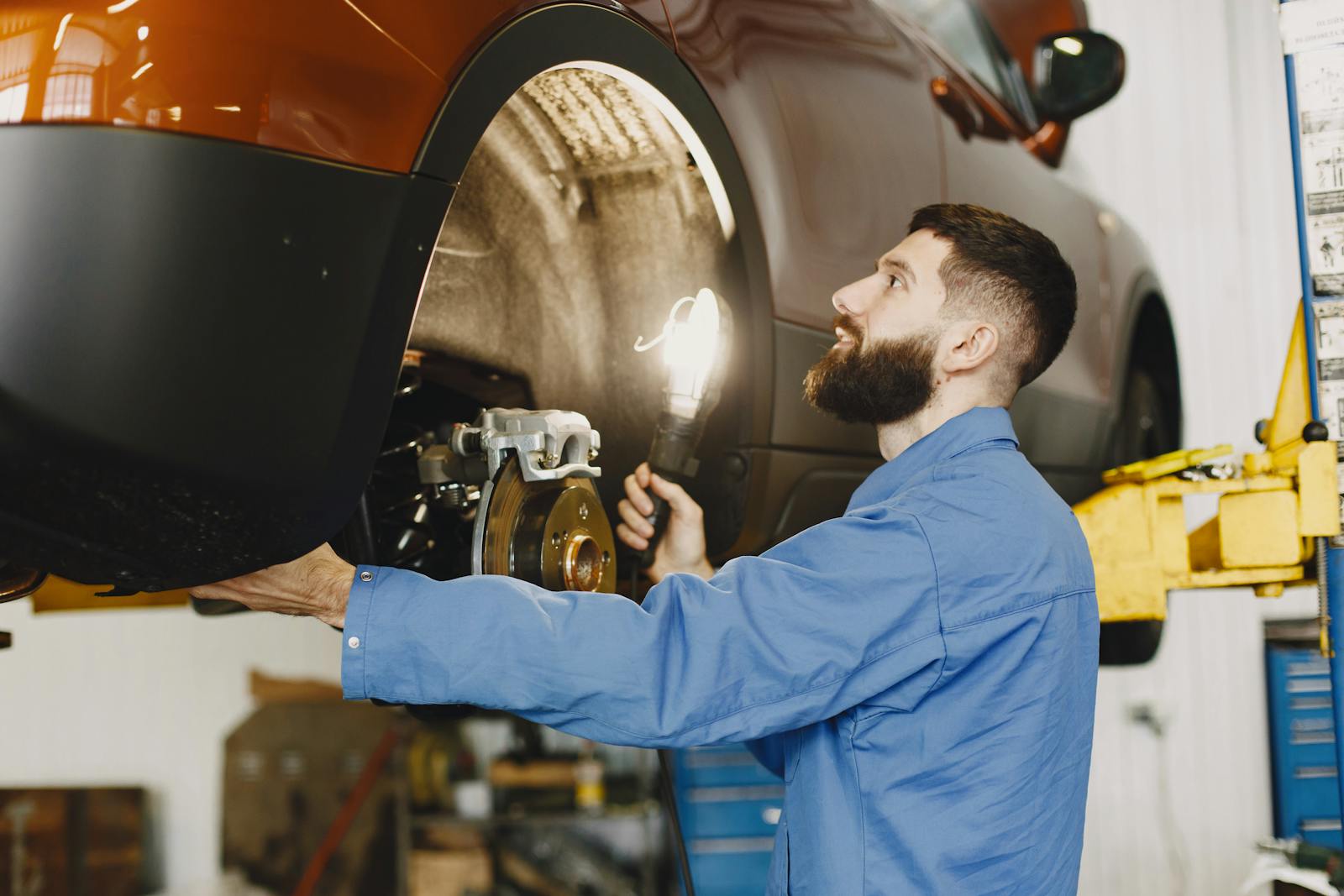

A woman thought she needed a complete brake replacement after being told her brakes were failing, but the situation turned out quite differently when her father took a closer look. The case highlights how customers can sometimes receive inaccurate assessments about their vehicle’s condition, leading to concerns about unnecessary repairs and costs.
The woman’s father discovered that her brakes were actually in good condition, with recent replacements already installed on both the front and rear of the vehicle. What appeared to be a major brake failure requiring extensive work was actually a minor issue with low-quality rear brake pads causing squeaking and slightly affecting pedal feel.
The story unfolded when a mechanic in Brisbane examined the Holden Captiva and found brand new calipers, rotors, and pads that had been installed within the previous eight months. Rather than needing all new brakes as initially suggested, the vehicle only required replacement of cheap rear brake pads that lacked proper backing plates and vent lines.
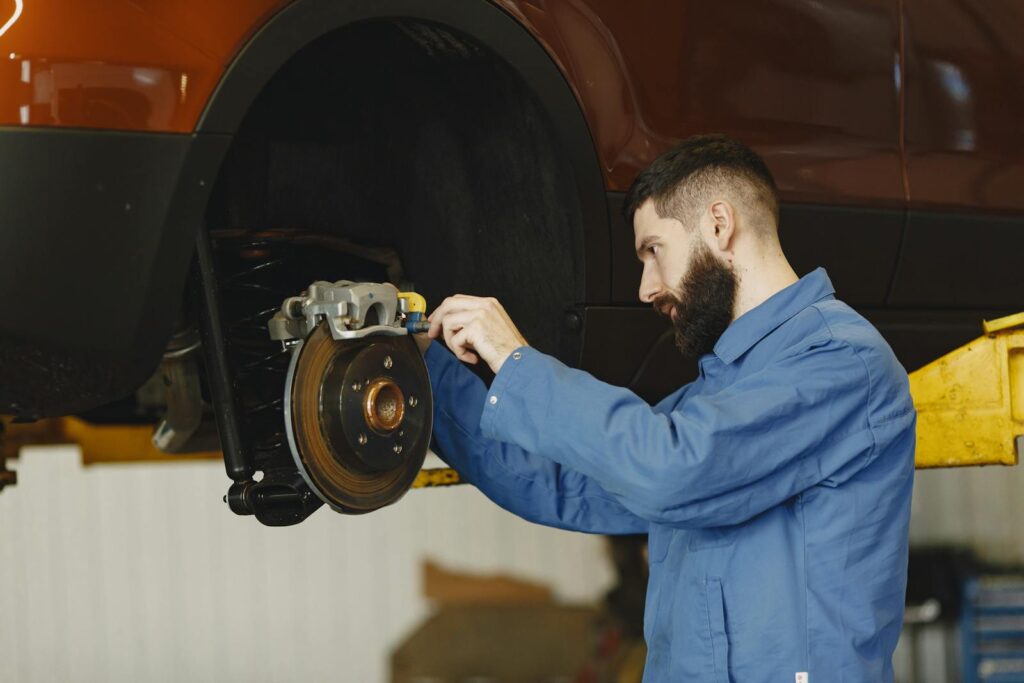
Mechanic’s Diagnosis and Dad’s Discovery
The woman received an alarming warning from her mechanic about her brakes needing immediate attention, but her father’s inspection revealed a completely different story that raised serious questions about the shop’s assessment.
Details of the Mechanic’s Brake Warning
The mechanic told the woman her brakes were “completely gone” and required urgent replacement. According to the shop’s assessment, the brake pads had worn down to dangerous levels and continuing to drive the vehicle would put her at serious risk.
The repair estimate came with a hefty price tag for new brake pads, rotors, and labor. The mechanic emphasized the severity of the situation, making it clear that this wasn’t routine maintenance but an emergency repair that couldn’t wait.
She was told the vehicle was unsafe to drive in its current condition. The shop’s warning painted a picture of brakes on the verge of total failure, suggesting she could lose stopping power at any moment.
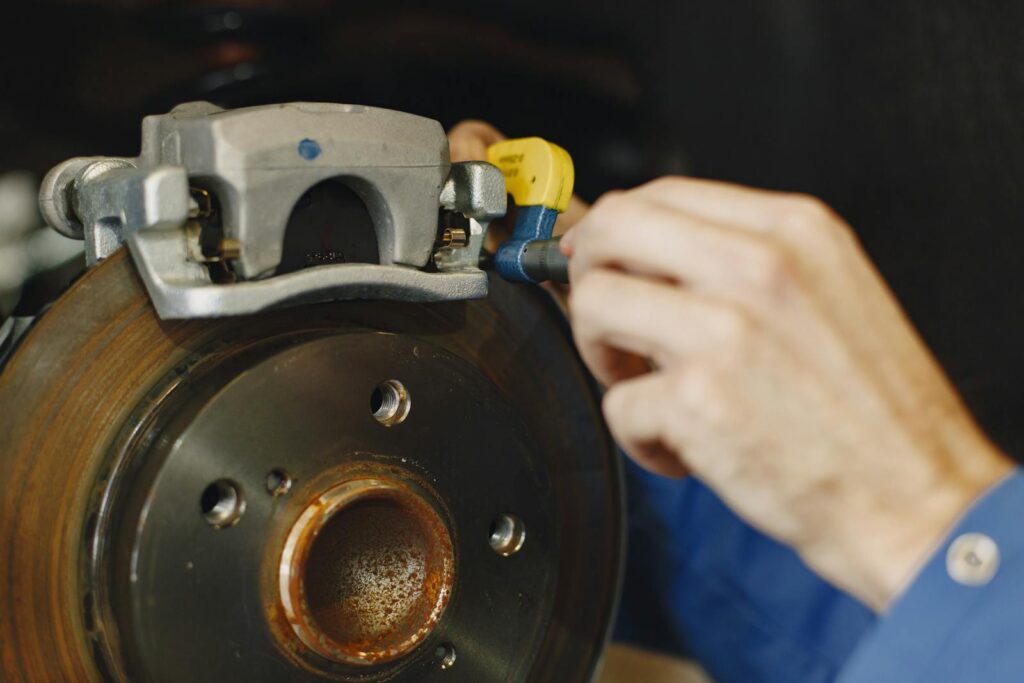
How Her Dad Inspected the Car
Her father decided to check the brakes himself before she committed to the expensive repairs. He lifted the vehicle and removed the wheels to get a direct look at the brake components.
What he found contradicted everything the mechanic had claimed. The brake pads showed normal wear consistent with the vehicle’s mileage and had plenty of material left.
He checked the rotors for scoring or damage and found them in good condition. The brake fluid levels were adequate, and there were no signs of leaks or other issues that would warrant immediate attention.
Comparing the Reports: Mechanic vs. Dad
The contrast between the two assessments couldn’t have been more stark. The mechanic’s diagnosis suggested brakes that were dangerously worn and needed immediate replacement, while her dad’s inspection revealed components with plenty of life remaining.
| Aspect | Mechanic’s Report | Dad’s Finding |
|---|---|---|
| Brake Pads | Completely gone | Normal wear, adequate material |
| Rotors | Required replacement | Good condition |
| Safety Status | Unsafe to drive | Safe for continued use |
| Urgency | Immediate repair needed | No urgent action required |
The discrepancy raised obvious questions about whether the shop had actually inspected the brakes or simply tried to sell unnecessary services.
Immediate Reactions and Emotions
She felt a mix of relief and anger after her dad’s inspection. Relief that her brakes were actually fine and she didn’t need to spend hundreds or thousands of dollars on repairs she couldn’t afford.
But the anger quickly set in as she realized the mechanic had likely tried to scam her. The attempt to exploit her lack of automotive knowledge felt like a personal violation of trust.
She shared her experience to warn others about dishonest repair shops. The incident highlighted how vulnerable people can be when they don’t have the expertise to verify a mechanic’s claims, particularly when shops use fear tactics about safety issues.
Navigating Car Repairs and Avoiding Unnecessary Costs
Stories like this woman’s experience highlight how car owners can face conflicting diagnoses about their vehicles. Understanding common patterns in repair recommendations and knowing when to seek additional input can make a significant difference in avoiding inflated bills.
Warning Signs of Potential Upselling by Mechanics
When a mechanic claims critical parts are “completely gone,” vehicle owners should expect visible evidence of the problem. Brake pads that are truly worn through produce obvious symptoms including metal-on-metal grinding sounds and severely reduced stopping power. Someone dealing with brake issues noted that completely worn brake pads would create an awful noise that drivers couldn’t miss.
Sudden expensive diagnoses during routine services raise questions, especially when the car showed no symptoms beforehand. Mechanics might claim multiple components need immediate replacement without explaining specific measurements or showing the worn parts. Pressure tactics like suggesting the vehicle is unsafe to drive home often accompany these situations.
Vague explanations without technical details serve as another red flag. Professional mechanics typically provide specific information about what they found and why it needs attention.
How to Get a Second Opinion
The woman in this case turned to her father, who inspected the brakes and found nothing wrong with them. Having a trusted person with mechanical knowledge examine the vehicle proved valuable in this situation.
Taking the car to another shop provides an independent assessment. Some vehicle owners photograph the supposedly worn parts before leaving the first shop, creating documentation if discrepancies arise. Asking the original mechanic to show the problem areas before authorizing work helps too.
Many auto parts stores offer free brake inspections, giving car owners basic information about pad thickness and rotor condition. Dealership service departments sometimes provide competing opinions, though their estimates may run higher than independent shops.
Protecting Yourself as a Car Owner
Documentation becomes critical when disputes arise about vehicle condition. The father’s inspection directly contradicted the mechanic’s assessment that the brakes were completely gone, leaving the woman with evidence the initial diagnosis was questionable.
Learning basic vehicle maintenance helps owners recognize legitimate problems. Checking brake pad thickness through wheel spokes takes minutes and requires no special tools. Car owners facing major repair decisions sometimes weigh whether the expense justifies keeping their current vehicle.
Written estimates detailing specific parts and labor costs create accountability. Women report facing skeptical treatment when questioning repair recommendations, making documentation even more important for establishing what was actually said.
More from Steel Horse Rides: