


A driver looking to purchase his dream truck encountered a frustrating situation when a dealership allegedly told him the vehicle he wanted had sold overnight, then immediately tried to sell him a different model priced $9,000 higher. The incident highlights a common dealership tactic where sales staff claim a lower-priced vehicle is no longer available to push customers toward more expensive inventory. This type of bait-and-switch approach leaves buyers feeling manipulated and questioning whether the original truck was ever truly sold.
The driver’s experience raises questions about transparency in car sales and whether dealerships are being honest about inventory availability. When a customer shows interest in a specific vehicle at a specific price, only to be told it suddenly disappeared and a pricier alternative is conveniently ready, it creates suspicion about the dealer’s motives.
Cases like this demonstrate why buyers need to understand their rights when facing dealer misrepresentation. The story unfolded as the driver prepared to complete his purchase, only to face unexpected obstacles that threatened to derail his plans and drain his wallet.
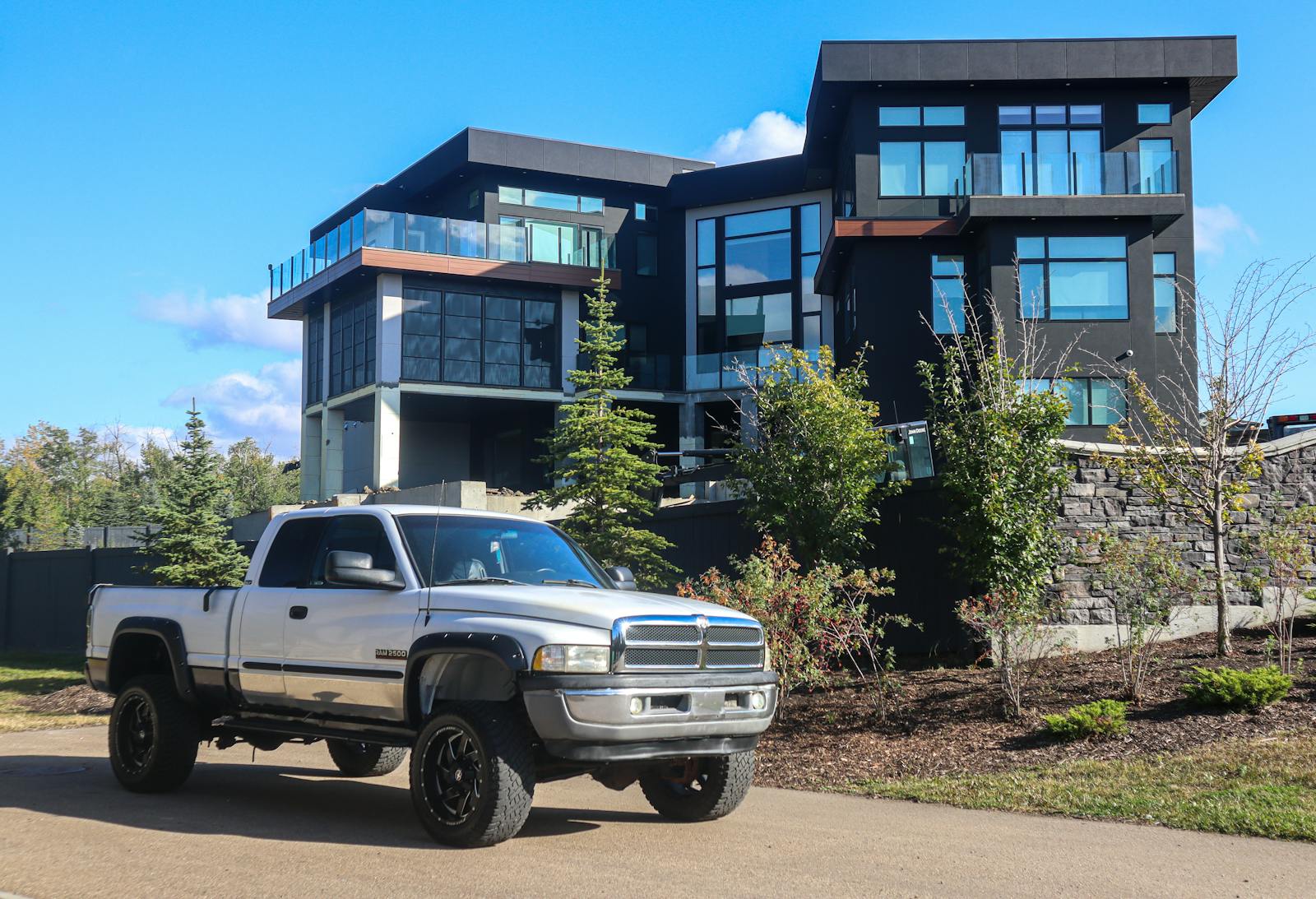
Dealer Tactics: Claiming the Dream Truck Was Sold and Attempted Upsell
Dealerships sometimes use specific tactics to steer buyers away from advertised vehicles toward more expensive alternatives. These methods often involve claims that the original vehicle is no longer available, followed by pressure to consider pricier options.
How Bait and Switch Works in Car Dealerships
The bait and switch car dealer scam starts with an advertisement for a vehicle at an attractive price. When a buyer arrives at the dealership, the salesperson tells them the advertised car has already been sold or is unavailable. The dealer then shows similar vehicles at higher prices.
Some dealerships keep stripped-down models with minimal features specifically for advertising purposes. These loss-leader vehicles rarely get sold because salespeople actively discourage buyers from purchasing them. They point out missing features like air conditioning, power windows, or upgraded audio systems.
The switch happens when the salesperson suggests a better-equipped model for slightly more money. By this point, many buyers feel they’ve already invested time in visiting the dealership and decide to look at the alternatives. Dealerships may advertise payments in large font while hiding requirements like 25% down payment or excellent credit in small print.
The Role of Yo-Yo Financing in Upsell Scenarios
Yo-yo financing occurs when a buyer drives off with a vehicle, then gets called back because the financing supposedly fell through. The dealership claims the original loan wasn’t approved and demands a larger down payment or higher interest rate.
This tactic gives dealerships another opportunity to restructure the deal in their favor. Buyers who’ve already taken possession of the vehicle feel attached to it and are more likely to accept worse terms. The dealership may have never submitted the original financing or deliberately structured it to fail.
Some dealers use this method specifically to upsell buyers into different vehicles entirely. They tell the customer their credit won’t support the original purchase but might work for a different, often more expensive, model with different financing terms.
Common Car Dealer Lies and Pressure Tactics
Salespeople sometimes claim other buyers are interested in the same vehicle to create urgency. They may say another customer is “coming back this afternoon” or that they have a deposit on the car. These statements push buyers to make quick decisions without proper consideration.
Unethical car dealer practices include making the advertised vehicle’s paperwork disappear during negotiations. A salesperson asks to take the ad to “check with the manager” and never returns it, removing price reference points from the discussion.
Dealers also overwhelm buyers by having multiple salespeople approach them simultaneously. This information overload makes it harder to think clearly about the purchase. They may also downplay the advertised used car by pointing out every flaw while highlighting premium features on more expensive models nearby.
Legal Protections and Steps for Buyers Facing Dealer Misrepresentation
Consumers who experience tactics like bait-and-switch have several legal avenues available, from state consumer protection laws to federal regulations that specifically address deceptive dealership practices.
Legal Rights Under Consumer Protection Laws
Both state and federal consumer protection laws shield buyers from auto dealer fraud. The Federal Trade Commission enforces regulations that prevent dealerships from misrepresenting vehicle conditions or warranty terms. These protections cover various deceptive practices including inflating invoice prices, concealing add-on costs, and misrepresenting financing terms.
State lemon laws provide additional protection when dealers sell vehicles with substantial defects. Each state defines what qualifies as a “lemon” differently, but these laws typically require dealers to repair or replace vehicles that remain defective after reasonable repair attempts.
Fraudulent misrepresentation occurs when dealers intentionally hide or misstate key facts during a sale. This includes odometer tampering, concealing accident history, or falsely claiming a vehicle is “certified.” Federal law specifically prohibits dealers from misrepresenting mechanical conditions or warranty existence.
How to Take Action Against Auto Dealer Fraud
Buyers who suspect fraud must typically contact the dealership first before pursuing legal action. Many states require this initial step, demanding written communication that clearly outlines the problem and requested resolution.
The contact should detail specific issues like undisclosed financing charges or warranty misrepresentations. Some states mandate arbitration before buyers can sue a car dealership, offering a less expensive dispute resolution method.
Beyond dealer contact, buyers can file complaints with state agencies, usually through the attorney general’s consumer protection division. Wisconsin directs complaints to the Department of Transportation’s Dealer Section, while Nebraska uses the Motor Vehicle Industry Licensing Board.
Seeking Help From Professionals and Reporting Fraud
The Better Business Bureau processes complaints within two business days and contacts businesses on behalf of consumers. Its Auto Line division specifically handles automotive disputes, closing most cases within 30 days. The Federal Trade Commission also accepts direct reports of unfair business practices and scams.
An auto fraud attorney becomes valuable when other remedies fail or when cases involve complex financing documents. Attorneys experienced in consumer protection law can review situations, explain legal options, and pursue contract rescission or compensation. They also help appeal arbitration decisions in lemon law cases.
Legal professionals prove particularly useful since some states require exhausting dealer contact options before filing lawsuits. Attorneys ensure proper documentation and can strengthen claims by identifying violations buyers might overlook.
More from Steel Horse Rides: