
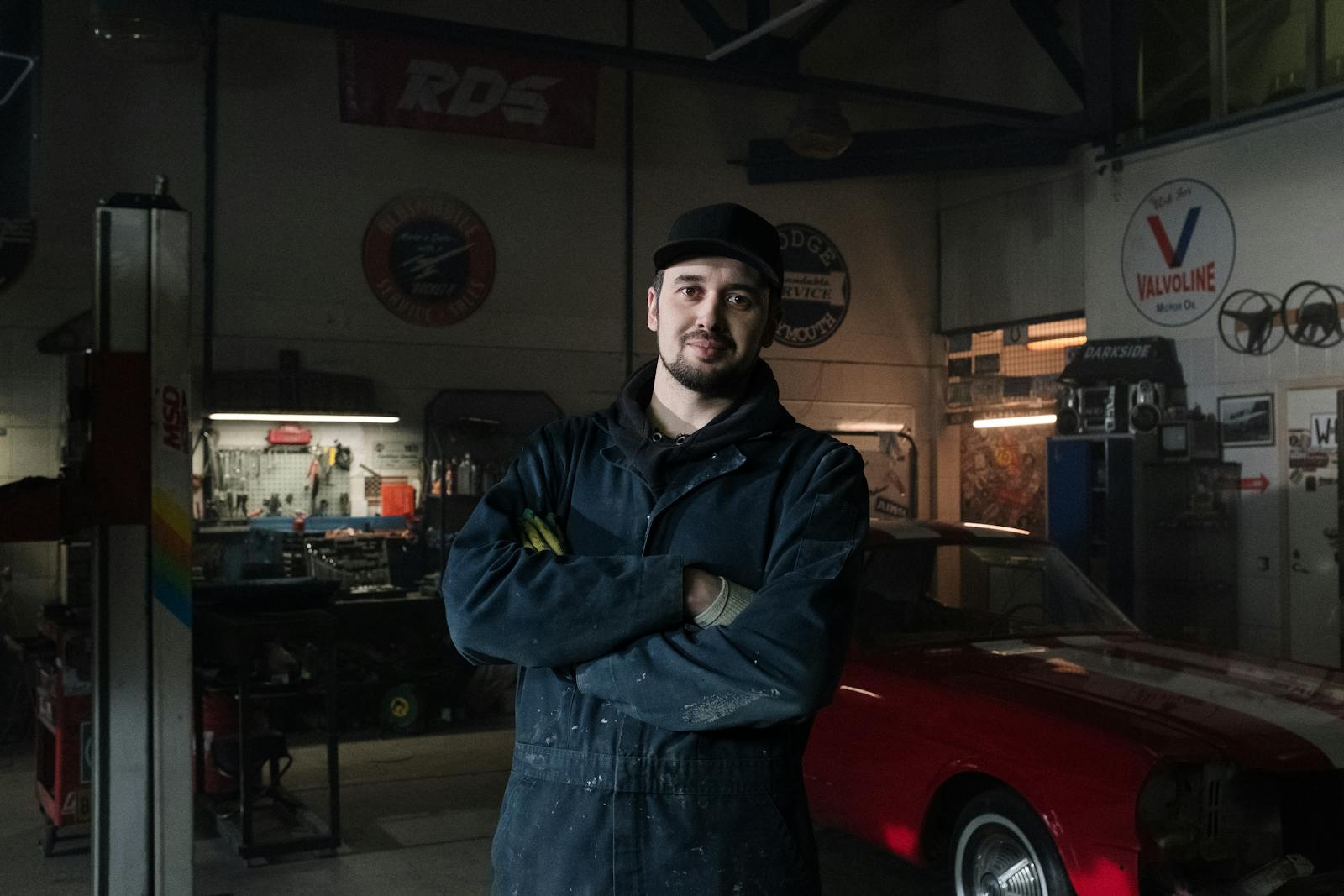

A woman’s routine trip to an auto repair shop turned into a hostage situation when mechanics allegedly refused to return her vehicle keys unless she paid $1,400 for work she never authorized. The incident involves a Cobb County auto repair shop that reportedly held a customer’s car after she only requested a diagnostic check, then demanded payment for unauthorized repairs before releasing the vehicle.
This case highlights growing concerns about auto repair shops refusing to return vehicles until customers pay for services they didn’t approve. The woman had brought her van in with a check engine light on, expecting only a diagnostic assessment.
Instead of performing the requested diagnostic, the shop allegedly never completed the test and tried to charge her significantly more than the initial agreement. When she returned to pick up her car, the mechanics wouldn’t hand over the keys without payment, leaving her stranded and frustrated.
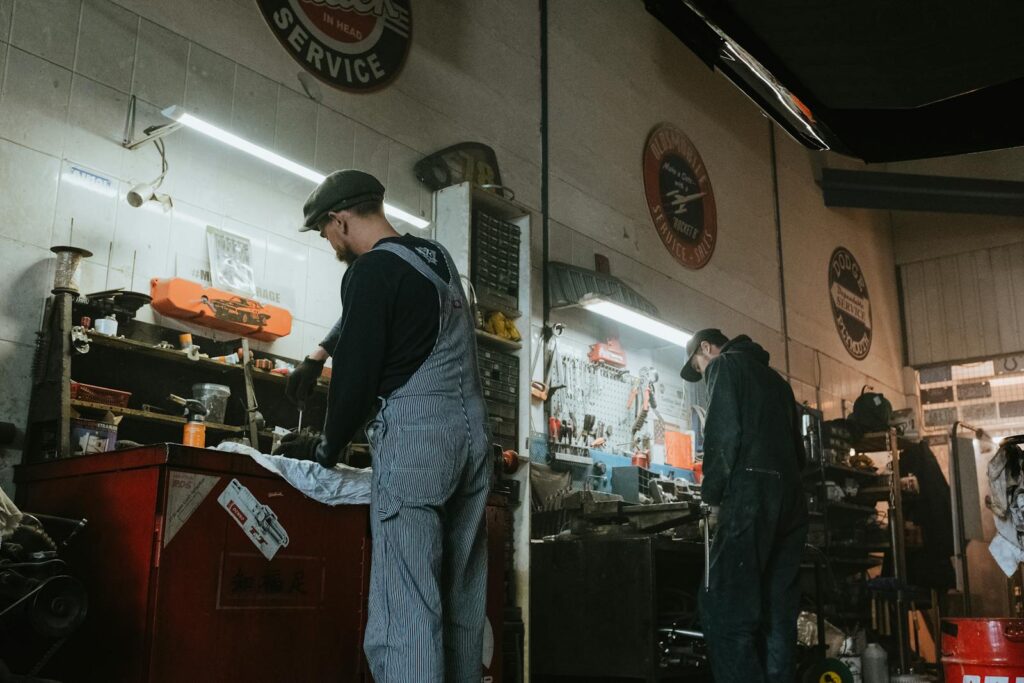
What Happened: The Woman’s Experience And Mechanic Practices
The incident involved a customer who brought her vehicle in for routine service but found herself trapped in a dispute over extensive repairs she never authorized. The mechanic’s refusal to return her keys escalated the situation into a broader discussion about auto shop practices and customer rights.
Timeline Of Events
The woman initially brought her car to the shop for what should have been a straightforward visit. After leaving her vehicle with the mechanics, she expected a simple service or inspection.
Instead, she received notice that her car required $1,600 in repairs. When she declined to approve the work, the situation took an unexpected turn. The mechanic refused to return her keys until she agreed to pay for the repairs.
This type of scenario has occurred at other shops as well. In one case, a woman was told to pay $1,400 before her vehicle would be returned after being charged $3,000 for repairs allegedly never completed.
Details Of The $1,600 Unauthorized Repair
The $1,600 repair estimate came without the woman’s prior approval or request. She had not asked for diagnostic work beyond the original reason for her visit.
The mechanic presented the repair as necessary but wouldn’t release the vehicle without payment or approval. This practice puts customers in a difficult position, especially when they don’t have alternative transportation.
The specific repairs included in the $1,600 estimate weren’t detailed in available reports. However, mechanics sometimes claim to find issues during routine maintenance that dramatically increase costs, a practice that some auto experts identify as a common scam.
Role Of Vining’s Auto Repair And Similar Cases
While the specific shop involved hasn’t been publicly confirmed in all reports, similar incidents have occurred across the country. Mechanics in Cobb County, Georgia faced criticism for forcing customers to pay before returning vehicles.
Auto repair shops can legally place a mechanic’s lien on vehicles when customers refuse to pay for completed work. However, this typically applies to authorized repairs, not work performed without customer consent.
Some mechanics have even refused service entirely, telling customers never to return after disagreements. The practice of withholding keys for unauthorized repairs remains controversial and potentially illegal depending on local regulations.
How To Protect Yourself From Auto Repair Scams
Drivers who find themselves in situations like this woman faced need clear strategies for protecting their rights and wallets. Understanding proper documentation requirements, selecting qualified mechanics, and knowing available legal remedies can prevent customers from being trapped into paying for unauthorized work.
Getting Written Estimates And Approvals
Auto repair shops are required by law in most states to provide written estimates before performing any work. Customers should never hand over their keys without receiving a detailed estimate that lists specific parts, labor costs, and the total price. The estimate needs to break down each repair item separately rather than lumping everything together.
When a mechanic identifies a problem during a diagnostic check, they must contact the customer and get explicit approval before proceeding with additional repairs. This approval should be documented in writing or at minimum confirmed through a text message or email that creates a record. Shops cannot legally hold vehicles hostage until customers approve unexpected charges.
Customers should ask what specific problem the mechanic found and request to see the damaged part. Reputable mechanics will show customers worn brake pads, cracked belts, or leaking components rather than simply demanding payment for fixes. If a shop refuses to provide itemized paperwork or pressures someone to approve work immediately, that raises serious red flags about their business practices.
Choosing Certified And Reputable Auto Mechanics
Finding a trustworthy mechanic before an emergency happens gives drivers better options than accepting whatever shop a tow truck driver recommends. Mechanics certified by the National Institute for Automotive Service Excellence have passed standardized tests proving their technical knowledge. These ASE certifications appear on shop walls and business cards.
Online reviews reveal patterns of how shops treat customers. Multiple complaints about surprise charges, held vehicles, or pressure tactics indicate a business that operates through intimidation rather than honest service. A mobile mechanic can provide another option, coming to the customer’s location and performing work where the vehicle owner maintains control of their property.
State licensing boards track complaints against repair facilities. Checking a shop’s complaint history before authorizing repairs helps customers avoid businesses with documented problems. Friends and family members who have used local mechanics for years can provide reliable recommendations based on actual experience rather than advertising claims.
Legal Steps: Small Claims Court And Reporting Issues
When a shop refuses to return keys without payment for unauthorized work, customers face immediate legal violations they can report to state consumer protection agencies. The Bureau of Automotive Repair handles complaints in California, while other states have similar regulatory bodies that investigate deceptive repair practices and can mediate disputes.
For charges already paid under duress, small claims court provides a venue to recover money without hiring an attorney. Most states allow claims up to $5,000 or $10,000 in small claims court. Filing requires documentation including the written estimate, final invoice, and any communication showing the customer never authorized the work.
Credit card companies may reverse charges when customers dispute unauthorized services. Calling the credit card issuer within 60 days and explaining that a shop performed work without approval can trigger an investigation. Police reports document situations where shops essentially hold vehicles for ransom, creating evidence for both civil claims and potential criminal complaints about theft or extortion.
More from Steel Horse Rides: