
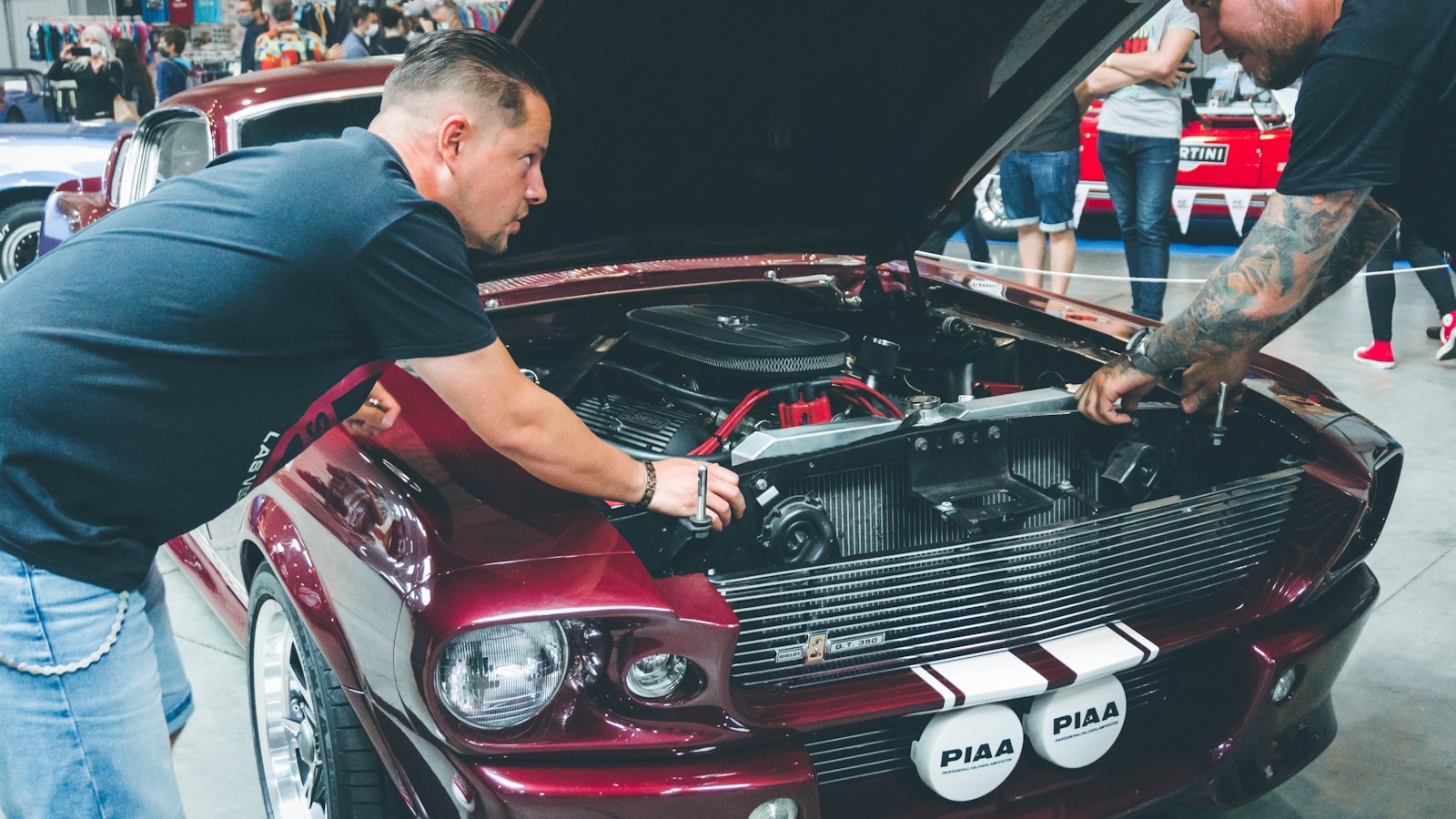

A car owner’s routine visit to an auto repair shop turned into a frustrating discovery when he claims the mechanic charged him for replacing parts that were already brand new. The man alleges he paid for unnecessary work, raising questions about whether the entire repair bill was fabricated.
The incident highlights a growing concern among vehicle owners who worry about being charged for parts and services they never received. When a shop bills for replacing components that didn’t need replacement, customers face both financial loss and potential safety risks if the actual problems go unaddressed.
This case examines what happened during the repair visit, how the car owner discovered the alleged fraud, and what actions drivers can consider when they suspect their mechanic didn’t perform the work listed on the invoice. The situation serves as a reminder that even seemingly reputable shops may engage in practices that leave customers questioning every line item on their bill.
Breaking Down the Experience: Were New Parts Really Replaced?
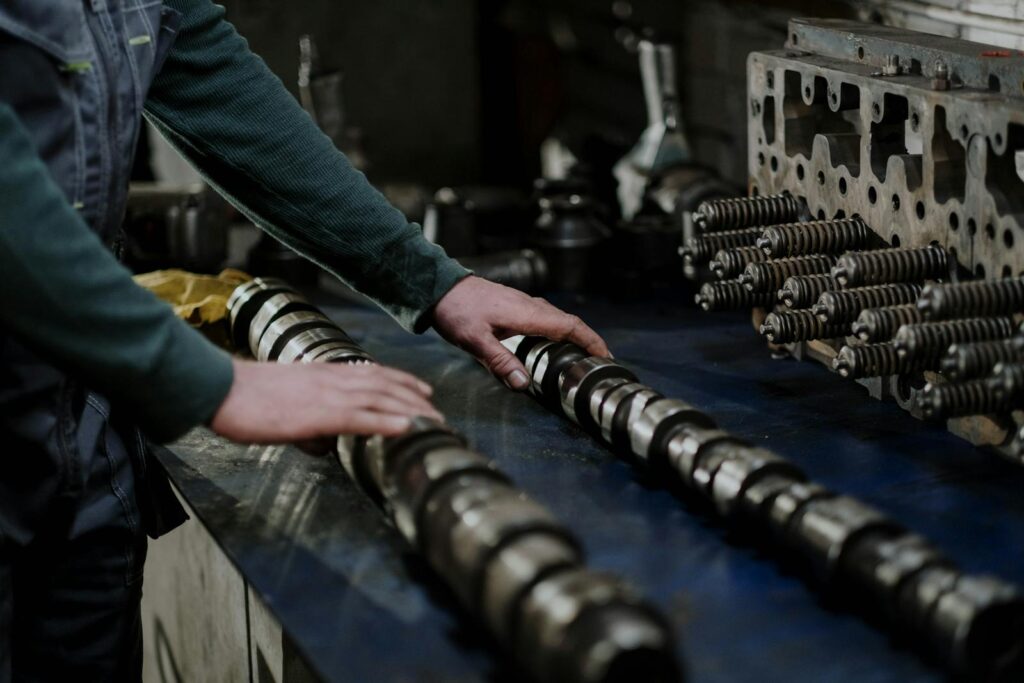
When a customer suspects they paid for parts that weren’t installed, they face the uncomfortable task of proving what actually happened under the hood. The man’s situation raises questions about how someone can tell if the work they paid for was genuinely completed.
Signs That Parts Were Not Replaced
The most obvious red flag comes when the original problem persists after the repair. In one case, a customer brought their truck back three times complaining of rear noise before discovering the rear shocks were never actually installed despite having a paid receipt.
Physical evidence tells the story most clearly. Old parts typically show wear patterns like rust, scratches, or corrosion that new components don’t have. Bolts connecting supposedly new parts often retain dirt or show wear marks that wouldn’t exist on fresh installations.
Another customer noticed a weird smell after having brakes fixed and took their vehicle to a different shop, which confirmed nothing had been repaired. The invoice listed replaced rotors and calipers that were never touched.
How to Check If Repairs Were Actually Done
Requesting old parts provides concrete proof of replacement work. Customers can ask for the parts that were removed and keep them along with paperwork for new parts being installed.
Taking the vehicle to an independent mechanic for verification offers an unbiased assessment. A second opinion can reveal whether parts match what the invoice claims or if components show no signs of recent replacement.
Photography before and after service appointments creates a visual record. The man in this situation could have benefited from documenting part conditions, serial numbers, and manufacturing dates before bringing his vehicle in for service.
Steps to Take If You Suspect a Fake Repair Bill
When someone believes they’ve been charged for work that wasn’t done or parts that weren’t replaced, documenting the discrepancy and understanding available recourse becomes critical. The situation often requires collecting proof, confronting the business, and potentially involving authorities.
Gathering Evidence of Fraud or Overcharging
A customer who suspects fraud needs to start building a case immediately. This means keeping every piece of paperwork related to the repair, including the original estimate, final invoice, and any text messages or emails exchanged with the shop.
Taking photos of the allegedly replaced parts can prove invaluable. If a mechanic claims to have installed a new water pump but the existing one shows clear signs of age or has factory markings indicating it’s original equipment, those images become evidence.
Mechanics who lie about replacing parts often get caught when customers request a second inspection. Getting another shop to examine the vehicle and provide a written assessment of which parts are actually new versus old creates documentation that’s hard to dispute. Some customers even discover that parts claimed as replaced still bear the original factory installation marks.
Addressing the Shop Directly and Requesting Explanations
Many people choose to confront the repair facility before escalating further. They present their evidence and ask for an explanation of the charges, sometimes requesting to see the old parts that were supposedly removed.
Common responses from shops include:
- Claiming the parts were discarded per standard procedure
- Insisting their technician made an error in documentation
- Offering a partial refund to avoid further conflict
- Becoming defensive and refusing to engage
California law requires shops to return replaced parts upon request, and failing to provide replaced parts may indicate the work was never performed. The conversation often reveals whether the issue stems from a genuine mistake or intentional deception.
Legal and Consumer Protection Options
When direct communication fails, customers have several paths forward through consumer protection law. Filing a complaint with the Bureau of Automotive Repair in California or similar state agencies elsewhere puts the shop under official scrutiny.
For smaller dollar amounts, small claims court allows people to seek reimbursement without hiring an attorney. They present their evidence, explain what happened, and let a judge decide if the charges were legitimate.
Reports of mechanics overcharging by $1,000 or more sometimes lead to criminal fraud investigations if patterns emerge across multiple customers. Credit card disputes offer another avenue, as many card companies will reverse charges when services weren’t rendered as described.
More from Steel Horse Rides: