
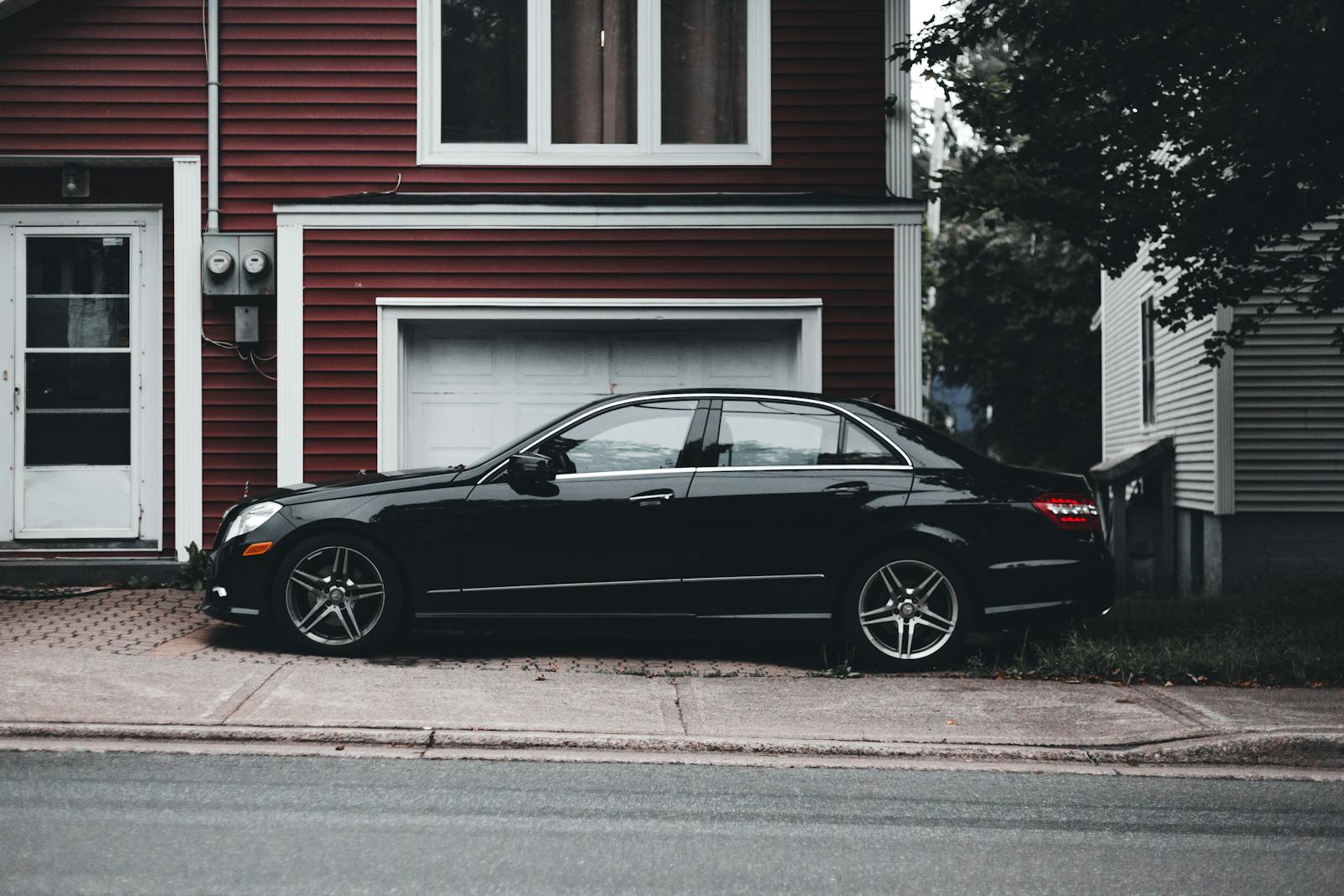

A driver found himself in an increasingly frustrating situation after a minor disagreement with his neighbor escalated into a parking nightmare. Following their dispute, the neighbor began deliberately parking just inches away from his driver’s side door, making it nearly impossible to enter his vehicle without squeezing through or climbing in from the passenger side.
While many places don’t have specific laws requiring a certain distance between parked cars, this type of behavior can cross the line from annoying to potentially illegal depending on local ordinances and whether it constitutes harassment or intentional interference with property access.
The situation highlights how quickly neighborly relations can deteriorate over small conflicts. What started as a disagreement transformed into a daily hassle that left the driver searching for answers about his rights and options for resolving the ongoing issue.
Why Close Parking After a Dispute Becomes a Real Problem
When someone deliberately parks just inches away from another person’s driver door, it transforms a simple parking situation into a daily obstacle that can escalate tensions and create legitimate access issues. The behavior often stems from unresolved conflicts and can quickly cross into harassment territory.
How Parking Inches From the Driver Door Affects Car Access
Getting into a vehicle becomes nearly impossible when another car parks just inches from the driver’s side. The driver has to either climb in through the passenger side, squeeze through a gap that risks scratching both vehicles, or wait for the other person to move.
This situation creates practical problems beyond mere inconvenience. Parents with car seats can’t secure children properly. People with mobility issues face significant barriers. Groceries and other items become difficult to load from the driver’s side.
The act of parking extremely close to someone’s driver door puts the vehicle owner in an impossible position. They risk damaging their own car trying to access it, or they’re forced to confront the neighbor repeatedly about moving.
Common Causes of Parking Disputes Between Neighbors
Most parking disputes between neighbors start over competition for limited space. Someone feels entitled to a spot in front of their house on a public street, even though they don’t legally own that space. Guest parking creates another flashpoint when visitors take up spots that neighbors consider “theirs.”
Street parking conflicts often arise when one person takes up multiple spaces or parks in ways that make it harder for others to use available spots. Minor disagreements about where someone should or shouldn’t park can spiral into ongoing feuds.
The problem intensifies when someone uses parking as retaliation. A small argument about noise, property boundaries, or other issues suddenly manifests as aggressive parking behavior designed to frustrate the other person.
Recognizing When Behavior Crosses the Line Into Harassment
Parking becomes harassment when it’s deliberately done to intimidate or inconvenience someone repeatedly. A neighbor who consistently parks inches from someone’s driver door after a dispute isn’t just parking poorly—they’re sending a message.
The pattern matters more than a single incident. One awkward parking job could be accidental, but repeatedly parking in ways that block access suggests intentional behavior. When someone adjusts their parking specifically to make life difficult for another person, it crosses into harassment.
Documentation becomes important when the behavior persists. Photos showing the minimal space left, dates and times of incidents, and any witnesses help establish a pattern. The behavior transforms from a parking issue into a potential legal matter when it’s clearly retaliatory and ongoing.
Handling Neighborly Parking Conflicts: Laws, Solutions, and Next Steps
Parking disputes between neighbors often involve a mix of local regulations, property rights, and interpersonal communication challenges. Understanding what parking ordinances actually say and how to properly document violations can determine whether someone has legitimate recourse when a neighbor parks aggressively close to their vehicle.
Checking Local Parking Ordinances and When Enforcement Applies
Most municipalities establish specific parking rules through local ordinances that dictate where vehicles can legally park on public streets. These regulations typically don’t give residents ownership of the curb space in front of their homes, even if they’ve parked there for years.
On public streets, parking enforcement generally focuses on violations like blocking fire hydrants, exceeding time limits, or parking too close to intersections. Someone parking inches from another car’s door typically doesn’t violate most parking ordinances unless they’re blocking a driveway or exceeding marked space boundaries.
The situation changes in private neighborhoods with homeowners associations or apartment complexes with assigned spots. HOA rules often include specific spacing requirements or designated parking zones that local parking enforcement wouldn’t typically handle. Residents in these communities need to check their CC&Rs or lease agreements to see what restrictions actually exist.
How to Document Problem Parking Effectively
When parking issues become persistent, creating a detailed record becomes important for any potential complaint or legal action. Drivers dealing with tight parking situations should photograph the vehicles from multiple angles, showing the distance between cars and including timestamps.
A written log tracking dates, times, and specific parking positions helps establish patterns rather than isolated incidents. Photos should capture license plates, the full context of how vehicles are positioned, and any relevant street signs or property markers.
Video footage can be particularly useful when documenting blocking driveway situations or showing how difficult it becomes to access a vehicle. These records become necessary whether someone plans to file a complaint with parking authorities, contact an HOA, or potentially pursue legal action.
Starting a Conversation and Seeking Resolution
Many parking conflicts stem from misunderstandings or neighbors simply not realizing they’re creating problems for others. A direct but polite conversation often resolves issues that might otherwise escalate into formal disputes.
Some drivers choose to leave a friendly note on the windshield explaining the access difficulty rather than confronting someone face-to-face. Others prefer addressing the problem directly through conversation to gauge whether the parking pattern was intentional or accidental. Written letters can formalize complaints while maintaining a paper trail if the situation doesn’t improve.
The tone and approach matter significantly when neighbors need to continue living next to each other. Accusations or threats typically make situations worse, while explaining specific problems and proposing solutions sometimes leads to compromise.
When to Get HOAs, Landlords, or Parking Enforcement Involved
If direct communication fails and the parking continues to create access problems, involving third parties becomes the next option. HOA residents should file formal complaints when neighbors violate parking rules outlined in community guidelines, as associations have enforcement mechanisms built into their governance structure.
Renters dealing with parking disputes need to loop in property managers or landlords who can address violations of lease terms. These managers typically have authority over assigned parking spaces and can issue warnings or penalties to tenants who park improperly.
Calling parking enforcement or police becomes appropriate when someone is blocking a driveway or committing actual parking violations under municipal codes. Law enforcement can ticket or tow vehicles that illegally block access to private property. However, parking enforcement generally won’t intervene in disputes about tight spacing on public streets unless specific ordinances are violated.
More from Steel Horse Rides: