
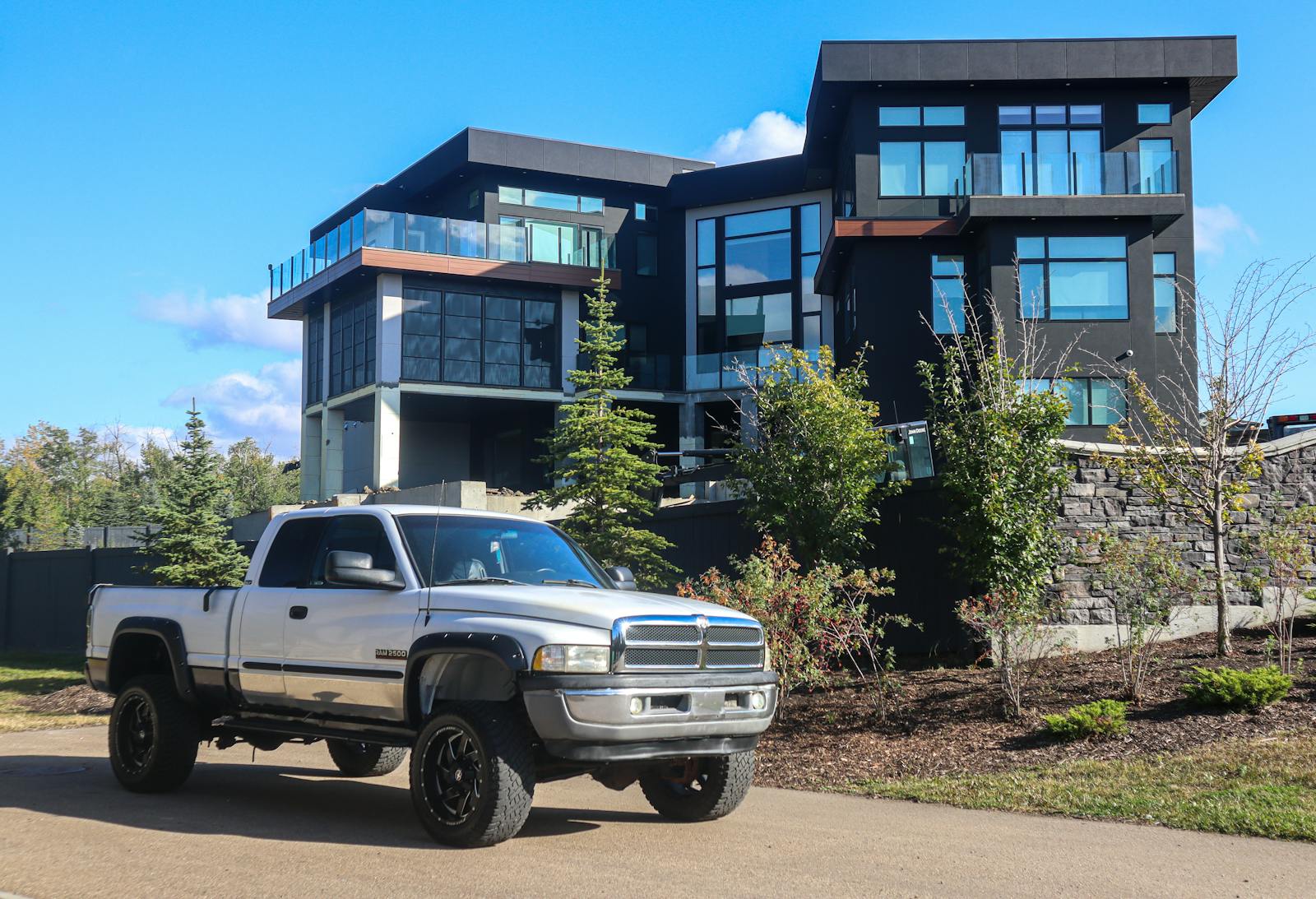

A homeowner received three warning letters from his HOA for parking his truck in his own driveway, despite believing the community rules allowed it. The frustrating situation highlights a growing conflict between homeowners and their associations over what types of vehicles can be parked on private property.
Homeowners across the country are discovering that parking their own vehicles in their own driveways can trigger HOA violations, with some associations citing outdated rules about commercial vehicles or pickup trucks that contradict newer state laws. These disputes have left residents choosing between their jobs and their homes, while legal battles over parking rights continue to unfold.
The case joins a wave of driveway parking disputes where homeowners face fines, violation notices, and even threats of towing for parking trucks at their residences. From Florida communities enforcing 11 pm curfews on truck parking to Texas firefighters getting police called on them for parking work vehicles, these conflicts reveal the complicated relationship between property rights and HOA authority.
Understanding HOA Parking Rules And Disputes
Homeowners associations typically establish parking restrictions through their governing documents, which can cover everything from vehicle types to where residents and guests can park. These rules often spark conflicts when homeowners believe they’re following the guidelines but still receive violation notices.
Common Types Of HOA Parking Restrictions
Most HOAs implement several standard parking limitations that affect residents’ daily lives. HOA parking rules commonly restrict commercial vehicles, recreational vehicles, boats, and trailers from being parked in driveways or visible areas. Some associations prohibit parking certain vehicle types overnight, while others ban them entirely from the property.
The restrictions often extend to vehicle condition and appearance. Many HOAs don’t allow inoperable vehicles with flat tires, expired registration, or missing parts to sit in driveways. Street parking sometimes falls under association control when the roads are privately owned by the HOA rather than public property.
Common restricted items include:
- Work trucks with company logos or equipment
- RVs and campers
- Boats and trailers
- Multiple vehicles beyond a certain number
- Vehicles parked on lawns
Some HOAs even regulate portable basketball hoops and recreational equipment placement in driveways.
How Driveway Parking Rules Are Created And Enforced
Parking regulations come from an association’s Covenants, Conditions, and Restrictions (CC&Rs), which are legally binding documents that homeowners agree to when purchasing property. HOA boards enforce parking rules through a compliance process that typically involves written warnings before fines.
The enforcement process usually starts when board members or property managers spot violations during community inspections. Homeowners receive violation notices that cite specific rules from the governing documents. Most associations must provide residents an opportunity for a hearing before imposing penalties.
Resolving parking disputes requires reviewing the CC&Rs carefully and documenting all communication with the board. State laws can override HOA restrictions in some cases, particularly regarding personal vehicles and work trucks in states like Florida.
Role Of HOA Parking Permits And Guest Parking Policies
Many homeowners associations use parking permits to manage who can park in common areas and for how long. Residents often receive a limited number of permanent passes for their vehicles, while guests get temporary permits for short-term visits. These systems help HOAs track which vehicles belong in the community and identify unauthorized parking.
Guest parking policies typically restrict how long visitors can occupy spaces, ranging from 24 hours to several days. Some associations designate specific guest parking areas separate from resident spaces. The permits may require display on dashboards or vehicle registration with the management office before parking.
Typical permit requirements:
| Permit Type | Duration | Location |
|---|---|---|
| Resident | Permanent | Driveway, assigned spots |
| Guest | 24-48 hours | Designated guest areas |
| Temporary | Event-specific | Overflow parking |
Problems arise when homeowners receive violations despite having proper permits or when HOA parking regulations conflict with actual parking availability in the community.
Man Versus HOA: Real-Life Truck Parking Controversies
Homeowners across the country have found themselves in heated battles with their HOAs over truck parking, often receiving violation notices even when they believe they’re following the rules. These disputes reveal how parking regulations can be interpreted differently by homeowners and HOA boards, leading to fines, warning letters, and creative acts of resistance.
Details Of The Warning Letters And Homeowner’s Response
One driver received warning letters in the mail along with a $100 parking fine after parking his truck in his own driveway. The HOA initiated a petition to revise the neighborhood’s parking rules, but the homeowner expressed anger over the enforcement action.
In another case, a homeowner fought back by parking his truck outside the HOA president’s home at 6 a.m. daily and revving the engine. He argued this demonstrated the vehicle was “running” according to HOA guidelines. The move earned widespread online support from others who felt HOAs overreach their authority.
Some homeowners receive violation notices for parking in their own driveways because their trucks are classified as commercial vehicles. These letters often cite obscure rules about vehicle types rather than actual parking locations.
Why Parking Disputes Happen Despite Clear Rules
The classification of what counts as a commercial vehicle versus a personal truck remains a major point of conflict in HOA parking disputes. Many homeowners drive pickup trucks for personal use, but HOAs may categorize these as commercial vehicles subject to different restrictions.
Size also plays a role when homeowners buy vehicles that won’t fit in their garages, forcing them to use public spots or driveways. HOAs then cite violations for using common areas or having oversized vehicles visible from the street.
Interpretation differences create friction even when written rules seem straightforward. A rule stating “residents can park in driveways” might not account for vehicle type, size, or commercial classification in the HOA’s view. Some boards enforce rules selectively or add new interpretations without formally updating their covenants.
Possible HOA Parking Solutions For Residents And Boards
Several communities have seen neighborhood-wide pushback against strict parking enforcement, forcing HOAs to reconsider their approach. When residents unite against what they view as unfair rules, boards sometimes back down or agree to revise policies.
Documentation becomes critical for homeowners facing violations. Taking photos of where vehicles are parked, keeping copies of parking rules, and maintaining records of all HOA correspondence helps when disputing fines.
Some homeowners have successfully challenged violations by pointing out inconsistencies in how the HOA enforces rules across different residents. When boards apply standards unevenly, they open themselves to legal challenges. Clear definitions of vehicle types, designated parking zones, and consistent enforcement help prevent conflicts before they escalate into costly legal battles.
More from Steel Horse Rides: