
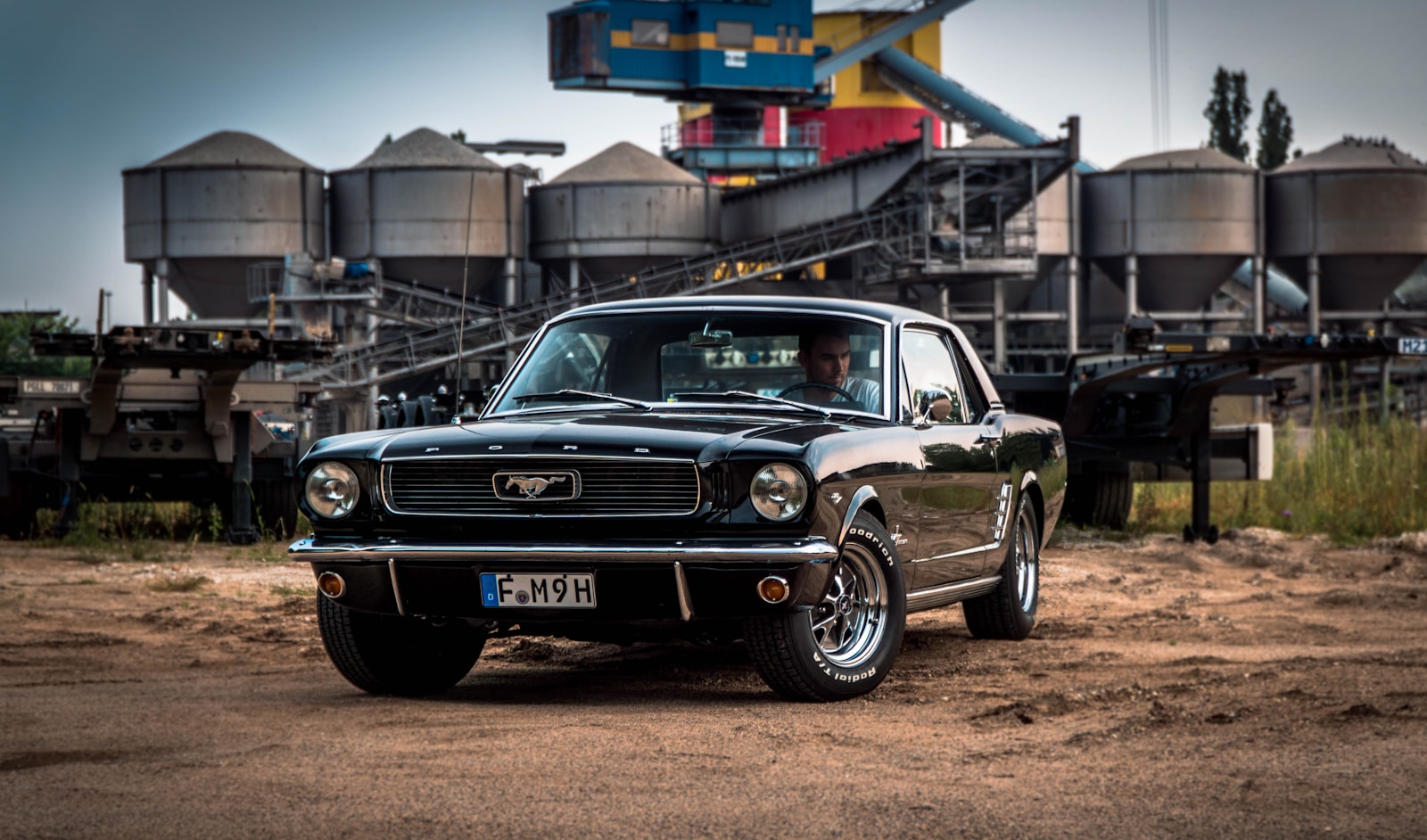

A devastating story has emerged about a man whose wife sold his prized 1967 Ford Mustang fastback for a fraction of its value while he was away at work. The car represented 15 years of restoration work and held deep sentimental value as a project he started with his late father.
The 46-year-old man came home to find his nearly completed Mustang gone from the driveway, sold by his wife to their pool boy’s cousin for just $6,000 despite being worth approximately $45,000. Every weekend and spare dollar not spent on his family or mortgage had gone into restoring the classic muscle car over more than a decade. The vehicle was about 90% complete, needing only interior finishing and final paint touches.
The wife sold the classic car allegedly to pay for pool maintenance, leaving the husband initially thinking it had been stolen before she casually mentioned the sale over dinner. The situation reflects a broader pattern of deterioration in their marriage, with the wife ultimately filing for divorce and the entire neighborhood becoming aware of the family’s personal troubles.
The Shocking Sale of a Project Mustang: What Happened?
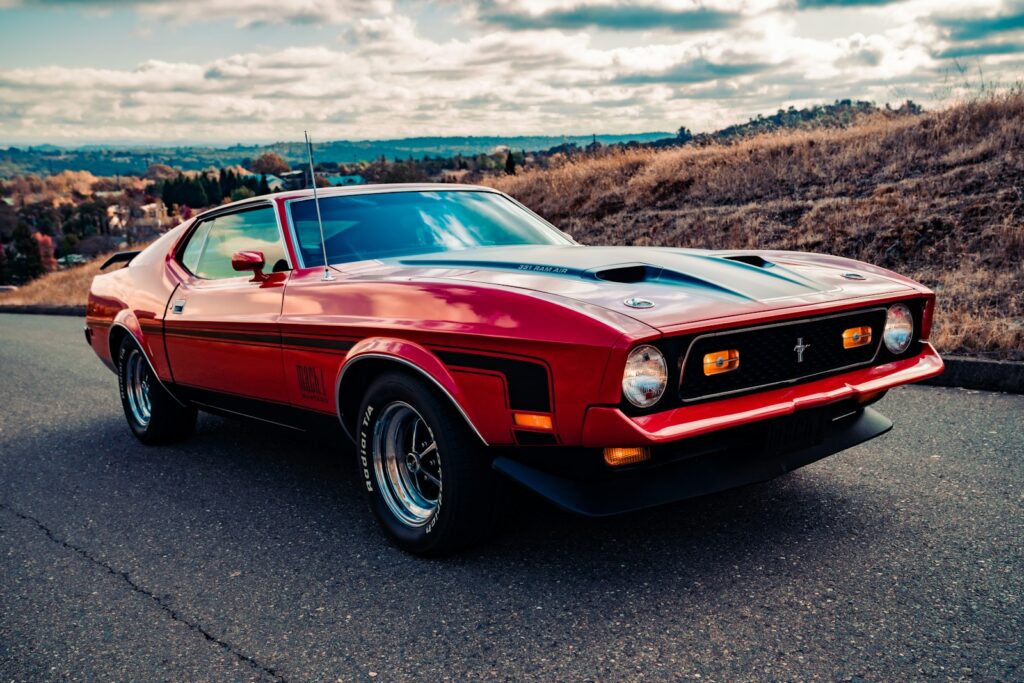
A man’s prized 1967 Ford Mustang fastback, restored over 15 years with his late father, was sold for a fraction of its value while he was at work. His wife allegedly sold the classic car to their pool boy’s cousin for $6,000, despite its estimated worth of $45,000.
The Restoration Journey and Years of Dedication
The 1967 Mustang fastback restoration project began as a father-son endeavor before the man’s dad passed away. Every weekend for 15 years, he poured spare cash and countless hours into the Ford Mustang. The car became more than just a vehicle—it represented a living connection to his father’s memory.
By the time of the sale, the restoration was approximately 90% complete. Only the interior finishing and final paint touches remained. Each dollar that didn’t go toward his three kids or the mortgage went into the classic car. The project consumed his free time but provided purpose and a tangible link to his past.
How the Sale Unfolded During the Work Trip
He returned home from work on a Tuesday to find an empty driveway where his Ford Mustang once sat. His initial reaction was panic, assuming the car had been stolen. He immediately called the police to report the theft.
During dinner that evening, his wife casually mentioned she had sold the vehicle to Danny’s cousin for $6,000. Danny was their 26-year-old pool boy who had been servicing their pool for two years. She claimed the money was needed for pool maintenance, though the car’s actual value was around $45,000.
Why the Mustang Was So Meaningful
Personal Significance:
- Started as a project with his father before his death
- Represented 15 years of dedication and craftsmanship
- Contained irreplaceable memories and emotional value
- Symbolized his connection to his late father
The 1967 Ford Mustang fastback wasn’t just about the monetary investment. It served as a memorial to his father and a testament to their shared passion for classic cars. While some couples have heartwarming stories of buying back beloved Mustangs, this situation took the opposite turn.
Immediate Aftermath and Emotional Consequences
The man felt blindsided by the transaction. The sale occurred without his knowledge or consent, and the $6,000 price represented roughly 13% of the car’s true market value. He had filed police reports before learning his own wife orchestrated the sale.
The emotional devastation extended beyond losing the Ford. He realized his marriage had deteriorated significantly, with the Mustang sale serving as a catalyst that exposed deeper issues. His wife had already filed for divorce by the time the full scope of the situation became clear.
Long-Term Impact and Lessons from Losing a Beloved Car
The loss of a cherished vehicle can leave lasting emotional scars that extend far beyond the initial shock. People who lose their project cars often experience genuine grief, similar to other significant losses in their lives, while communities rally to share stories of hope and occasional reunions.
Coping with Loss and Moving Forward
Grieving is a form of learning that forces the brain to adapt to new realities. When someone loses a project car they’ve invested years into, the emotional response can mirror traditional grief stages.
Car enthusiasts often report experiencing denial, anger, and depression after losing vehicles they’ve grown attached to over time. The man who lost his Mustang now faces the challenge of processing years of restoration work vanishing in a single transaction.
Research shows that losing something deeply intertwined with our identity equates to losing a part of ourselves. For car enthusiasts, their project vehicles represent countless hours of labor, problem-solving, and personal achievement. The healing process requires acknowledging these emotions rather than dismissing them as trivial.
The Role of Classic Cars in Family Memories
Classic Ford Mustangs often serve as bridges between generations, creating shared experiences that define family histories. These vehicles witness life’s milestones, from teaching children how to work with tools to celebrating completed restorations together.
Some people report the most emotional pain from losing cars they grew up with, particularly vehicles that transported them home from the hospital or served as their first driving experience. Project cars become living repositories of family stories and traditions.
The Mustang’s owner had poured years into his restoration, likely creating memories with family members who helped or watched the progress. Those shared moments can’t be replaced, even if another vehicle enters his life. The loss represents not just a car, but an entire chapter of family history.
Stories of Famous Mustang Reunions
Jeff Penrod made headlines when he was reunited with his 1967 Ford Mustang Shelby GT500 after 46 years. He had sold the car in 1970 for $2,800 and never expected to see it again.
The reunion happened after the current owner tracked Penrod down through vehicle records. Similar stories occasionally surface within the classic car community, though they remain relatively rare occurrences.
An elderly man’s tearful farewell to his car after 34 years shows how deep these connections run. Some reunions happen through social media posts, car shows, or dedicated search efforts by new owners who want to learn their vehicle’s history. These stories offer hope to those who’ve lost beloved vehicles, though the reality is that most project cars never return to their original owners.
Community Reactions and Support
Online forums and social media groups dedicated to Ford Mustangs often become support networks when members lose their project cars. Fellow enthusiasts share their own loss stories and offer practical advice for tracking down sold vehicles.
The community response typically includes offers to help search vehicle databases, contact potential buyers, or spread the word through car clubs. It’s entirely normal to grieve over a beloved car, and enthusiast communities validate these feelings rather than dismissing them.
Some members organize fundraising efforts or parts donations to help affected owners start new projects. The shared understanding of the time, money, and emotion invested in restoration work creates strong bonds within these communities. They recognize that a project car represents far more than transportation—it’s a tangible connection to dreams, skills developed, and personal identity.
More from Steel Horse Rides: