
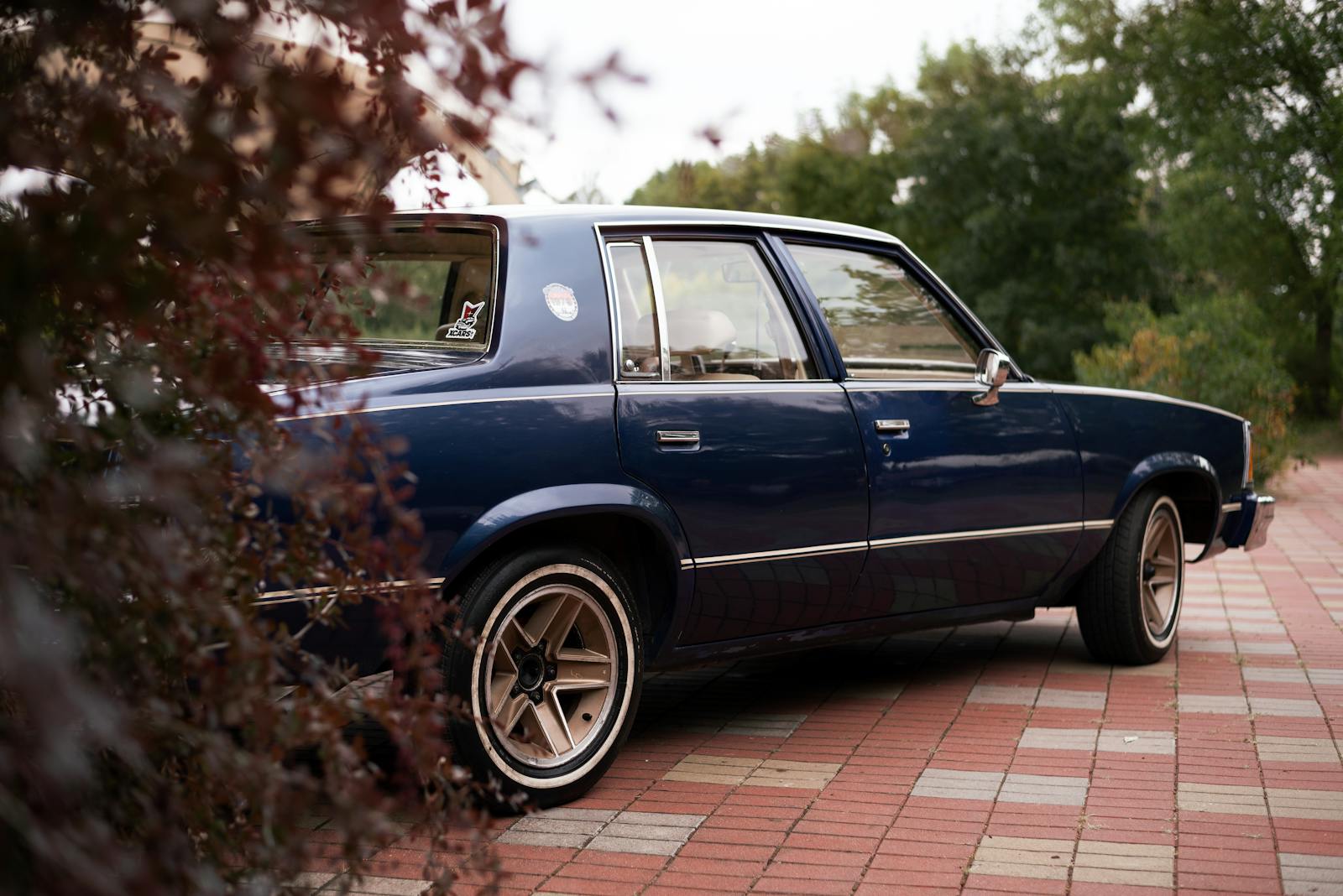

Project cars have a way of dividing households, and one man is standing firm despite his wife’s frustrations with what she calls a rusty money pit. After investing years of labor and thousands of dollars into his automotive passion project, he’s refusing to sell the vehicle that has become a source of ongoing tension in their relationship. The disagreement highlights a common struggle between emotional attachment to project vehicles and financial practicality.
The man has poured countless hours and significant money into restoring the car, making it nearly impossible for him to walk away from the investment despite mounting pressure from his spouse. She sees the project as a financial drain that never seems to end, while he views it as a labor of love that represents years of dedication and mechanical skill.
The situation reflects a broader reality about how project cars can turn into money pits, where enthusiasts find themselves perpetually fixing one issue after another. The couple’s disagreement goes beyond dollars and cents, touching on questions of priorities, shared decision-making, and what happens when one partner’s hobby becomes another’s source of stress.
The Story Behind the Rusty Money Pit
Project cars often start as dreams of restoration glory but can quickly turn into sources of household tension when timelines stretch and budgets balloon. This particular dispute centers on a vehicle that’s consumed years of garage space and thousands of dollars while sitting in various states of disassembly.
Why the Project Car Became a Source of Disagreement
The wife’s frustration stems from watching what was supposed to be a manageable restoration project turn into an endless drain on family resources. She sees a vehicle taking up valuable space while parts and repairs continuously eat into their budget. The car sits largely immobile, representing money that could have gone toward family vacations, home improvements, or savings.
Her characterization of it as a “rusty money pit” reflects the reality many project car owners face when renovations spiral beyond initial estimates. What started as excitement has turned into resentment as completion dates keep getting pushed back. She questions whether the vehicle will ever actually run or if it’ll just continue collecting dust and draining their checking account.
The husband, however, refuses to acknowledge defeat. He argues that selling now would mean losing everything already invested, both financially and emotionally.
Years of Dedication and Investment
The owner has poured considerable time into this restoration, spending countless weekends in the garage instead of with family. He’s invested thousands of dollars in parts, tools, and occasional professional help when jobs exceeded his skill level. Each purchase was justified as “the last major expense” before the car would be roadworthy.
The timeline has stretched far beyond original projections. What was pitched as a one or two-year project has consumed multiple years with no clear end in sight. Parts have proven harder to find than anticipated, and each repair seems to uncover three more problems lurking beneath the surface.
Key investments include:
- Engine components and rebuild kits
- Body panels and rust repair materials
- Paint and finishing supplies
- Specialized tools for vintage vehicles
- Professional machining and fabrication work
Emotional Attachment vs. Financial Realities
The husband’s refusal to sell stems from deep emotional investment that his wife struggles to understand. He views the car as more than metal and bolts—it represents a dream, a challenge, and perhaps a connection to his past or a particular era of automotive history.
Walking away now feels like admitting failure after years of dedication. He’s formed a bond with the vehicle through every hour spent working on it, every problem solved, and every small victory achieved. The thought of someone else finishing what he started or worse, parting it out, feels unbearable.
His wife sees the numbers differently. She calculates the actual financial loss, the opportunity cost of that garage space, and the strain on their relationship. While he focuses on sunk costs as a reason to continue, she sees them as a reason to cut losses before throwing good money after bad.
Project Cars: When Passion Meets Practicality
The tension between automotive passion and financial reality creates conflict in many households, where one partner sees a dream machine while the other sees mounting expenses and garage space consumed by what appears to be a deteriorating vehicle.
Balancing Hobbies and Household Finances
Project car owners often find themselves defending their automotive pursuits against partners who question the ongoing financial commitment. The husband in this situation has poured thousands of dollars into his restoration over several years while his wife watches the family budget absorb each new expense.
These automotive endeavors compete with other household priorities like home improvements, vacations, and savings goals. Project cars require both effort over time, with work sessions that pull enthusiasts away from family time and into damp garages when they could be on the couch after work.
The wife’s “rusty money pit” assessment reflects a common perspective from non-enthusiast spouses who struggle to understand why someone would continuously invest in a vehicle that doesn’t run. She sees rust and missing parts where he sees potential and progress.
The True Costs of Restoration
The financial reality of restoration projects typically exceeds initial estimates by substantial margins. What starts as a modest investment quickly escalates when unexpected rust appears during disassembly or when specialty parts cost triple the anticipated amount.
Getting in too deep on a project car is comically easy regardless of someone’s bank account balance. Wrong parts arrive, tools disappear, and injuries can add medical bills to the automotive expenses. The husband’s thousands spent likely represent just the documented costs, not including countless hours of labor.
Time becomes another hidden cost that strains relationships. Weekend after weekend disappears into the project while family activities take a backseat to carburetor rebuilds and bodywork.
Deciding Whether to Keep or Sell a Project Car
The husband’s refusal to sell after years of investment reflects the emotional attachment that develops during restoration work. He’s invested not just money but countless hours of physical labor and mental energy into bringing this vehicle back to life.
Making the call to abandon or sell a project can be tough, but continuing forward despite family tension creates its own problems. His wife’s persistent criticism suggests the project has become a relationship burden rather than a shared interest.
The sunk cost fallacy plays heavily in these decisions. He’s already invested thousands and feels that selling now would mean accepting defeat and financial loss. Yet continuing might cost even more in both dollars and domestic harmony.
More from Steel Horse Rides: