
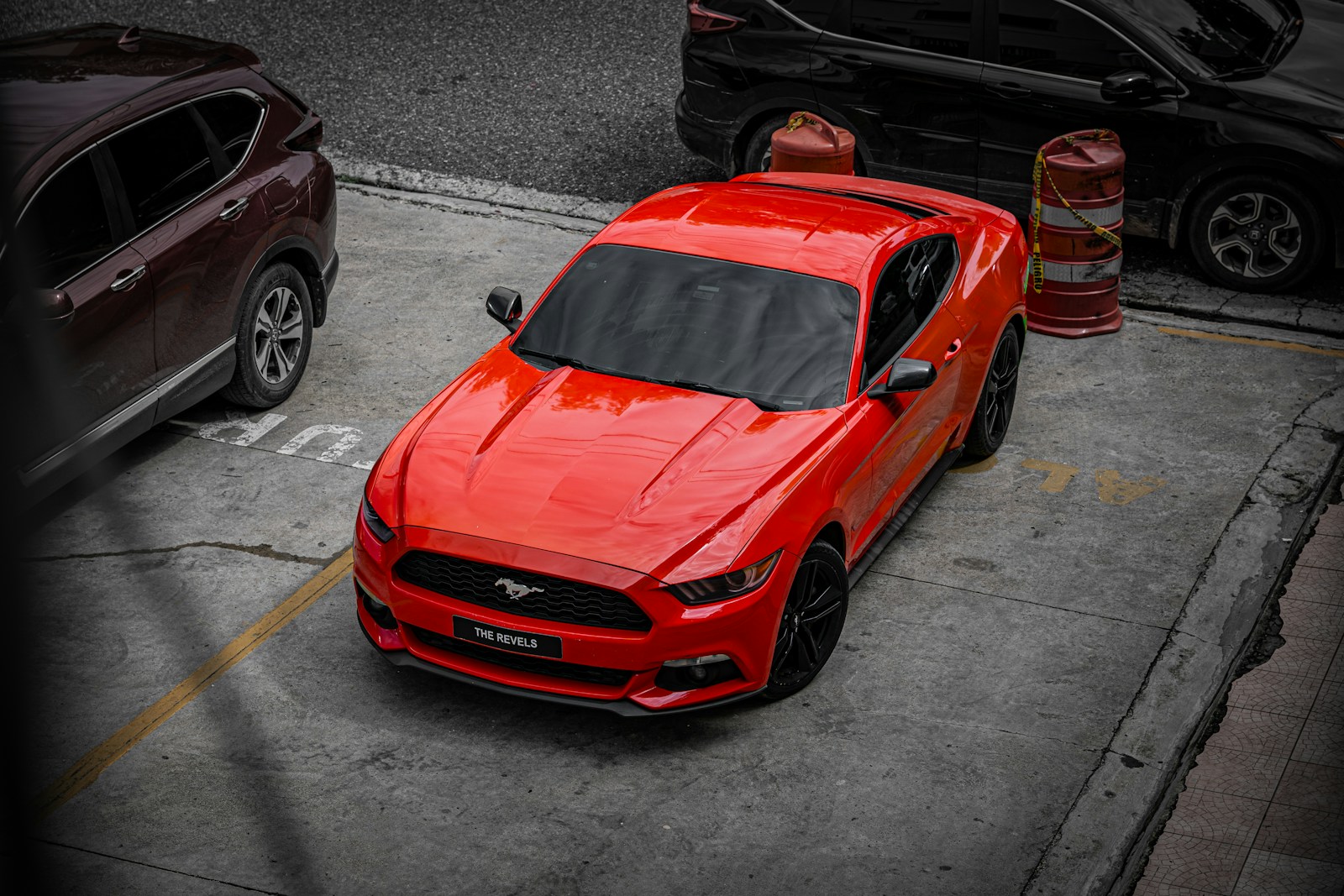

A man’s routine decision to back into a parking space in a garage turned into an unexpected confrontation when another driver began screaming at him. The incident, which has sparked online discussion, centers on whether backing into parking spaces is a breach of etiquette or simply a personal preference that shouldn’t concern other motorists.
The heated exchange left the man confused about why his parking method provoked such an angry response, with the other driver insisting that “people like you are the problem.” Parking disputes like confrontations in parking lots are not uncommon, but this particular clash raises questions about unwritten rules and whether drivers have legitimate reasons to criticize how others park.
The story has resonated with people who have experienced similar tensions over parking behavior. It highlights how minor choices in shared spaces can sometimes escalate into conflicts that leave both parties questioning what went wrong.
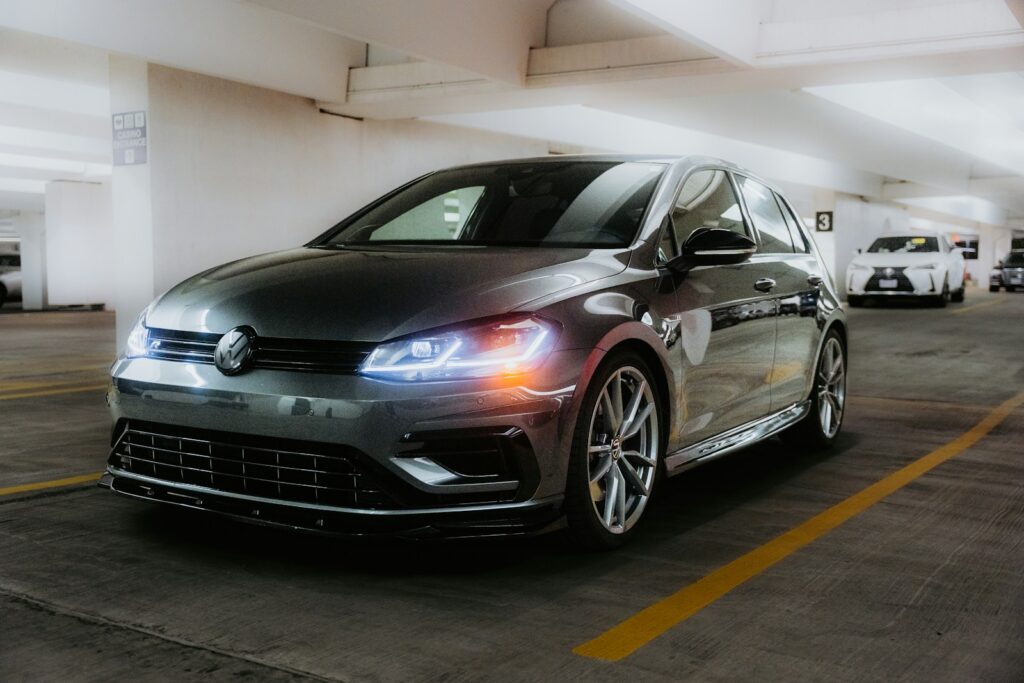
Parking Garage Confrontation: What Happened?
A man backing into his apartment parking garage spot encountered an aggressive driver who couldn’t wait the few seconds it took to complete the maneuver. The incident escalated from honking to a face-to-face shouting match over what should have been a routine parking job.
Details of the Incident
The driver arrived at his apartment building’s parking garage with another car following behind him. The garage was narrow, allowing two cars to pass in opposite directions but with little room to spare. He signaled his intention to back into his assigned spot, a common practice in this particular garage.
As he shifted into reverse, the car behind him kept pulling forward. The driver laid on his horn and continued inching closer despite the turn signal and obvious backing maneuver taking place. The person parking estimates he completed the entire process within 15 seconds, even with the other driver blocking his path.
After backing up to allow the parking maneuver, the impatient driver didn’t simply continue on his way. Instead, he stopped his vehicle directly in front of the now-parked car and got out to confront the other driver.
The Driver’s Reaction and Words
The confrontation turned heated immediately. The angry driver approached the parked vehicle and began yelling at the man who had just finished parking. Both drivers lost their tempers, spending several minutes shouting and swearing at each other in the garage.
The situation became more uncomfortable when the man noticed the angry driver’s wife and children sitting in the car with windows down, witnessing the entire argument. He made some choice gestures during the exchange before the other driver finally returned to his vehicle and drove off.
The man later expressed regret about losing his temper, particularly after seeing the family watching the confrontation unfold.
Backing Into Parking Spaces: Common Practices
Many drivers back into parking spots in tight garages to make pulling out easier in the morning. The practice eliminates the need for a three-point turn when leaving, which can be difficult in narrow spaces where visibility is limited.
The driver in this incident was experienced with the maneuver and could complete it in the same amount of time it takes to pull forward into a spot. His vehicle, a Jeep Compass midsize SUV, fit comfortably in the designated space.
Backing in does require drivers behind to wait briefly while the maneuver is completed. In this garage, the practice was common enough that most residents understood and expected the occasional delay.
Culture, Etiquette, and Conflict in Parking Garages
Parking garages have become unexpected battlegrounds where different driving philosophies clash. Drivers who back into spaces often face criticism from those who view the practice as time-consuming or inconsiderate, while supporters argue it offers safety benefits and easier exits.
Why Do People Back Into Spaces?
Backing into parking spaces has become increasingly popular despite remaining controversial in the United States. Drivers who reverse into spots get a clearer view when leaving, which matters in facilities where over 50,000 collisions happen yearly.
The American Automobile Association recommends forward-exit parking when possible for safety reasons. Some drivers see backing into tight spaces as a skill to demonstrate, particularly those operating larger vehicles. The practice remains common in countries like France, though American parking culture has been slower to embrace it.
Modern vehicles equipped with backup cameras and parking sensors have made the maneuver easier. However, opponents argue the back-and-forth movements required can slow down traffic flow in busy garages.
Parking Etiquette and Unwritten Rules
Parking etiquette operates as an unofficial code that prevents daily vehicle movements from descending into chaos. These unwritten rules don’t appear on signs but experienced drivers recognize their importance.
The challenge comes when drivers follow different unwritten rules. What one person considers courteous parking, another might view as selfish or aggressive behavior. Some describe drivers who insist on backing into spaces as everything from conscientious to “monsters” when they take excessive time.
Etiquette experts note that parking isn’t just about physically positioning a vehicle. It requires awareness of other drivers waiting and the flow of garage traffic.
Dealing With Aggressive Drivers
Aggressive encounters in parking garages stem from competing priorities and limited space. Drivers rushing to find spots may perceive anyone slowing them down as an obstacle, regardless of whether that person follows legitimate parking practices.
The confined spaces and one-way traffic patterns in garages can amplify tensions. When someone takes extra time backing into a space, trailing drivers may feel trapped with no way around. These situations can escalate quickly from frustration to confrontation.
Different driving backgrounds also play a role. Drivers accustomed to back-in parking from other countries or workplace requirements may not anticipate hostile reactions in public garages.
More from Steel Horse Rides: