
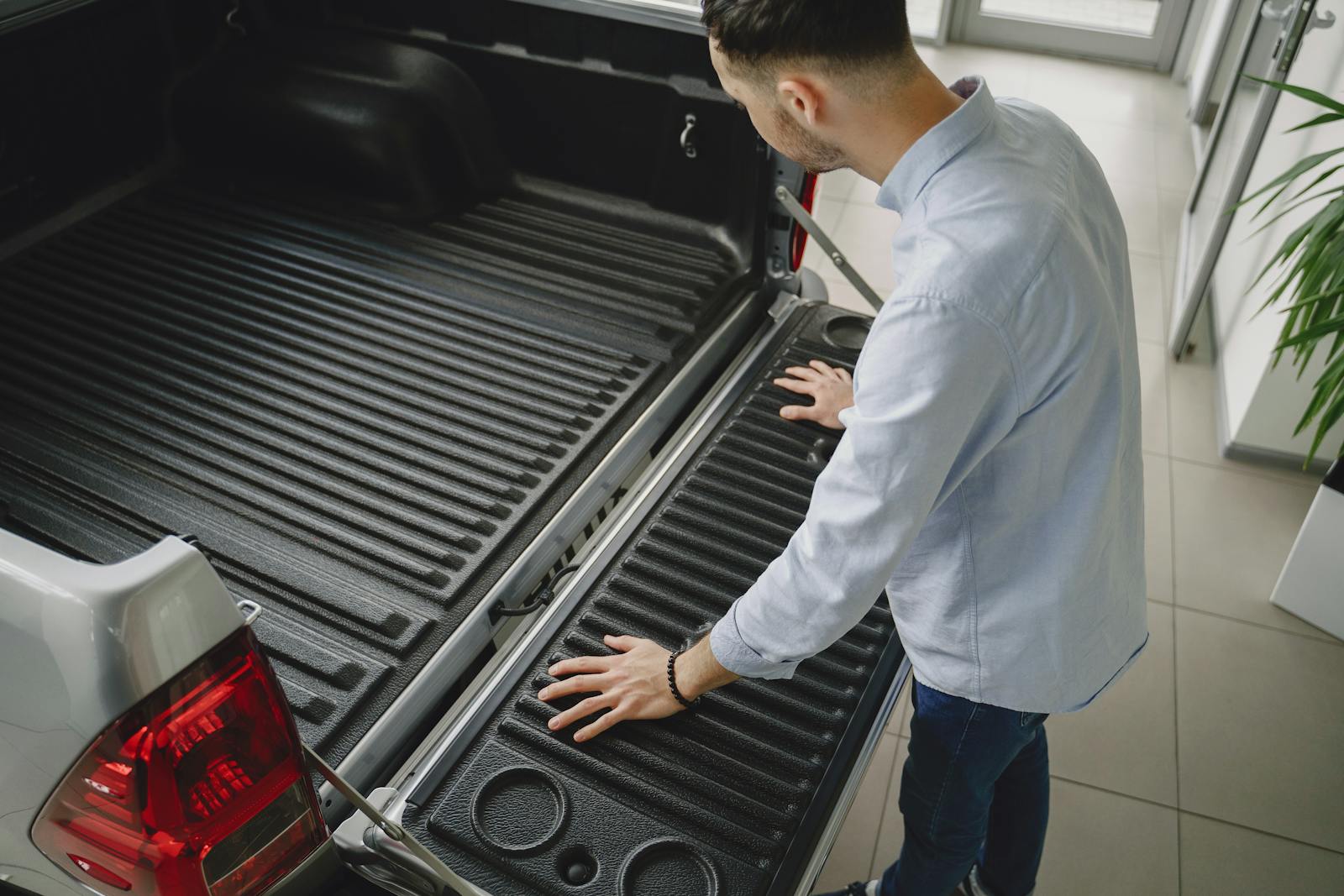

A truck buyer’s excitement about receiving his vehicle with a full tank of gas and a thoughtful thank you note quickly turned to shock when he noticed something unusual. The odometer showed 400 additional miles that weren’t there when he first saw the truck at the dealership.
The discovery raises questions about what happened to the vehicle between purchase and delivery, transforming what seemed like excellent customer service into a concerning situation. While dealerships typically have varying policies about fuel levels when delivering vehicles—with some filling new cars completely and used cars to half a tank—unexpected mileage is a different matter entirely.
The incident highlights an unusual scenario where a seemingly generous gesture came with an unexplained cost. Standard practice often involves dealers providing anywhere from a quarter tank to a full tank depending on whether the vehicle is new or used, but those hundreds of mystery miles added a troubling element to what should have been a straightforward delivery.

Discovering the Odometer Surprise
What started as an unexpectedly generous delivery experience quickly turned into a concerning discovery when the customer checked his truck’s mileage. The dealership’s goodwill gestures couldn’t mask the fact that something didn’t add up with the numbers on the dashboard.
Initial Impressions of the Delivery
The man was thrilled when his truck arrived with thoughtful touches from the dealership. A full tank of gas and a personalized thank you note suggested the business valued his purchase and wanted to make a positive impression. These gestures went beyond standard delivery protocol and initially made him feel like a valued customer.
The delivery appeared professional and courteous on the surface. The truck looked clean and ready to drive, with no obvious issues at first glance. The dealership representatives seemed friendly and accommodating during the handoff.
How the Extra 400 Miles Were Noticed
The customer had been paying attention to details during the sale process and knew approximately what the odometer should read. When he checked the mileage after delivery, he noticed the reading was 400 miles higher than expected. This wasn’t a small discrepancy that could be explained by test drives or moving the vehicle around the lot.
He likely compared the current reading to documentation from earlier in the purchase process. The significant jump in mileage raised immediate red flags about where the truck had been and what it had been used for between the time he agreed to buy it and when it arrived at his door.
Impact on the Sale and Customer Trust
The discovery fundamentally changed his perception of the transaction. Odometer fraud affects over 450,000 vehicles sold annually in the United States, making buyers rightfully cautious about mileage discrepancies. While 400 extra miles doesn’t constitute traditional odometer rollback fraud, it represents undisclosed use of his vehicle.
The goodwill gestures now seemed hollow or potentially calculated to distract from the mileage issue. What should have been a straightforward sale became complicated by questions about transparency and dealer practices. The customer faced uncertainty about whether the extra miles came from joyriding, additional test drives, or using his truck for dealership purposes before delivery.
Dealership Practices and Customer Experience
Dealerships often employ various tactics to enhance customer satisfaction and secure deals, from small gestures like thank you notes to larger incentives. The balance between genuine service and sales pressure shapes how buyers perceive their purchases.
Full Tank and Thank You Note: Common or Rare?
Receiving a vehicle with a full tank of gas and a personalized thank you note represents a practice some dealerships use to leave a positive final impression. This gesture typically costs the dealer between $50 to $100 depending on tank size, but it can significantly influence customer satisfaction scores.
The frequency of this practice varies widely by dealership size and brand positioning. Luxury brands more commonly include complimentary fuel fills as part of their white-glove service approach. Meanwhile, volume-focused dealers may skip this amenity to preserve profit margins on individual transactions.
Some dealerships reserve these courtesies for specific situations such as delayed deliveries or customers who experienced complications during the buying process. The addition of a handwritten note aims to personalize what can otherwise feel like a purely transactional experience. Dealerships often seek high customer experience scores through these types of gestures, sometimes even calling customers directly to request perfect ratings.
Making the Right Deal: Negotiation Tips
Dealerships structure their deals through multiple revenue streams including vehicle markup, financing arrangements, trade-in valuations, and add-on products. Understanding these components helps buyers identify where flexibility might exist during negotiations.
Sales staff typically work from specific targets and commission structures that influence their willingness to adjust terms. The finance manager represents a second negotiation point where interest rates, extended warranties, and protection packages get presented. Buyers who secure their own financing beforehand gain leverage by removing one profit center from the dealer’s control.
Trade-in vehicles present another area where deals can shift unexpectedly. Documentation should clearly state all agreed-upon terms including exact trade-in payoff amounts and timelines. Problems can emerge when dealerships fail to pay off trade-in loans as promised, leaving customers responsible for vehicles they no longer possess.
How to Double-Check Your Purchase Before Finalizing
The paperwork signing process moves quickly at dealerships, but buyers should verify specific details before leaving the lot. Key items include the odometer reading listed on all documents, VIN number consistency across papers, and exact monthly payment amounts with corresponding interest rates.
Yo-yo sales tactics allow dealers to call buyers back days or weeks after a purchase claiming the financing fell through. The fine print in contracts often permits this reversal, which can result in repossession if buyers refuse new terms. Reading the entire contract reveals whether the dealer retains cancellation rights.
Physical inspection of the vehicle should happen before signing final documents. Check the odometer reading against what was advertised and note any discrepancies immediately. Take photos of the odometer, exterior condition, and any existing damage. Request the dealer’s phone number for the service department and general manager in case issues arise after delivery.
More from Steel Horse Rides: