


A family dispute has erupted after one cousin allegedly took it upon himself to sell their late uncle’s classic Chevrolet at auction without consulting other family members who may have had a claim to the vehicle. The man who came forward with the story says he was blindsided when he discovered the car had already been sold before the family could even sit down and discuss what should happen to their uncle’s prized possession.
The cousin reportedly sold the classic Chevy and pocketed the proceeds, leaving other family members frustrated and questioning whether the sale was even legal. The situation mirrors other cases where family members have clashed over inherited classic cars, with emotions running high when sentimental vehicles are involved.
The incident raises questions about who has the right to sell inherited property and what happens when one person acts without the knowledge or consent of others who believe they have a stake in the estate. This case highlights the messy reality of estate auctions and how quickly things can go wrong when proper procedures aren’t followed.
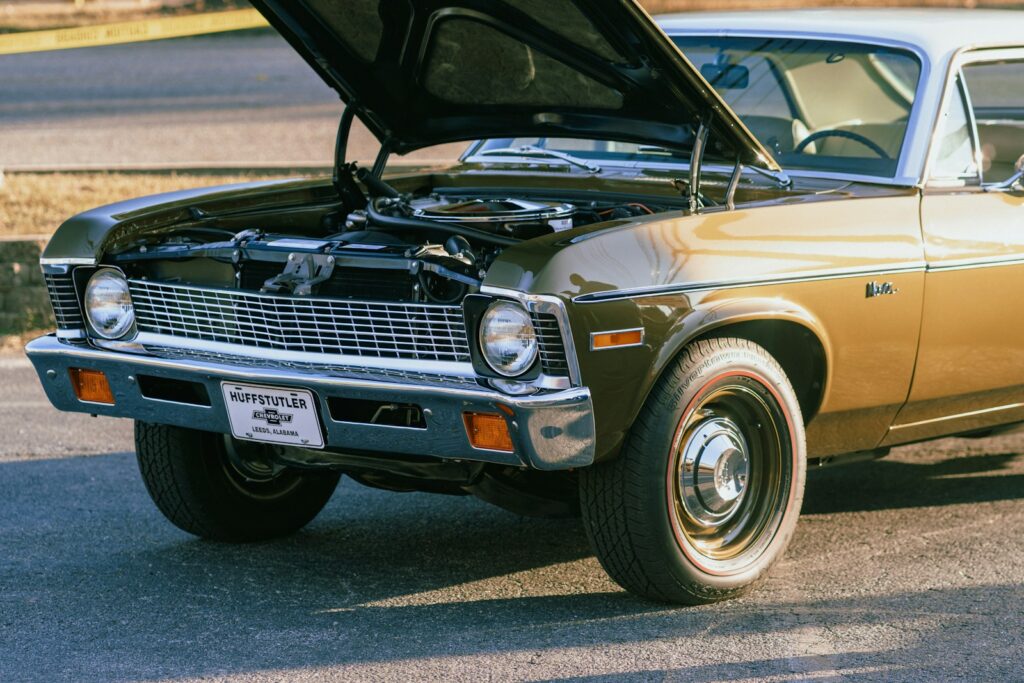
How the Classic Chevy Was Sold at Auction
The cousin moved quickly to sell the uncle’s classic Chevy through an auction without waiting for family input. The truck went from the uncle’s possession to sold status before relatives could gather to discuss what should happen to the vehicle.
Timeline of the Sale and Lack of Family Discussion
The cousin acted immediately after the uncle’s passing, taking the classic Chevy to auction within days. No family meeting was called to discuss the truck’s fate or sentimental value to other relatives. The man and other family members only learned about the sale after it had already been completed.
Key events in the timeline:
- Uncle passes away
- Cousin takes possession of the truck
- Vehicle is brought to auction
- Sale is completed
- Family members are informed after the fact
The speed of the transaction caught everyone off guard. Many classic vehicles go through estate discussions before any decisions are made, but this cousin bypassed that entirely. The lack of communication left family members feeling excluded from a decision that affected them all.
The Classic Chevy’s Condition and Value
The truck was described as an antique Chevy in the family for years. While the exact model year wasn’t specified, the vehicle held both monetary and sentimental value. Classic Chevy trucks from certain eras can fetch significant prices at auction, depending on their condition and originality.
The uncle had maintained the vehicle over time, making it more than just transportation. It represented family history and memories that couldn’t be replaced with money. The truck’s actual auction price wasn’t disclosed to the family members who wanted to know what it sold for.
Who Was Involved in the Decision
The cousin made the decision unilaterally without consulting siblings, other cousins, or the man who raised concerns. No estate executor or lawyer appeared to be involved in mediating the sale. The cousin claimed some form of authority to sell the vehicle, though the legitimacy of that claim remained disputed among family members.
Other relatives who had spent time with the uncle and the truck felt they deserved input. The man particularly felt blindsided since he had expressed interest in keeping the Chevy in the family. The auction house itself simply processed the sale as a standard transaction, unaware of the family conflict.
Reactions to the Unexpected Auction
Family members expressed anger and hurt over being excluded from the decision. The man felt the cousin had stolen an opportunity for the family to preserve their uncle’s legacy. Several relatives indicated they would have been interested in purchasing or keeping the truck if given the chance.
The situation created lasting tension at family gatherings. Some family members stopped speaking to the cousin entirely over the incident. Others tried to mediate but found both sides unwilling to compromise on their positions about what should have happened.
Family Rights and Handling Inherited Property
When someone passes away and leaves behind valuable possessions like a classic Chevy, the remaining family members typically share legal rights to those assets until the estate is properly settled. Disputes often arise when one person acts unilaterally without consulting other potential heirs.
Ownership Rules for Ancestral Cars and Assets
The ownership of inherited vehicles and other property depends on whether the deceased left a will and how the estate is structured. If the uncle had a will, it would specify who inherits the classic Chevy and other assets. Without a will, state intestacy laws determine how property gets divided among surviving relatives.
Multiple heirs often become co-owners of inherited assets, which means property disputes between family members can arise when decisions need to be made. Each co-owner generally has equal rights to the property, and major decisions like selling typically require consensus.
In cases where siblings or cousins inherit together, no single person has the authority to sell shared property without permission from the others. This applies to vehicles, real estate, and other valuable items. Forcing the sale of inherited property may require legal action if co-owners disagree.
Legal Considerations in Selling Inherited Vehicles
The cousin who sold the classic Chevy may have violated the rights of other family members if they were also legal heirs. Selling inherited property without proper authority can lead to legal consequences and financial liability.
Before any inherited asset can be legally sold, the estate must go through probate or another transfer process. The executor or personal representative handles these sales, not individual family members acting alone. If the cousin wasn’t the designated executor and sold the car anyway, other heirs might have grounds to challenge the sale.
Family members who believe their inheritance rights were violated can pursue legal remedies. They may be able to recover the value of their share or potentially reverse the sale if it happened improperly.
Importance of Family Communication in Estate Matters
Real estate disputes in family inheritance situations often stem from poor communication and rushed decisions. The man’s complaint that the cousin sold the Chevy before family discussions could happen highlights a common problem.
When siblings disagree on inherited property, the emotional toll can permanently damage relationships. Classic cars and other sentimental items carry both financial and emotional value, making open dialogue essential.
Family meetings allow heirs to express their wishes and find solutions that respect everyone’s interests. Some relatives might want to keep the vehicle for sentimental reasons, while others prefer to sell and divide the proceeds. These conversations should happen before any irreversible actions are taken.
More from Steel Horse Rides: