
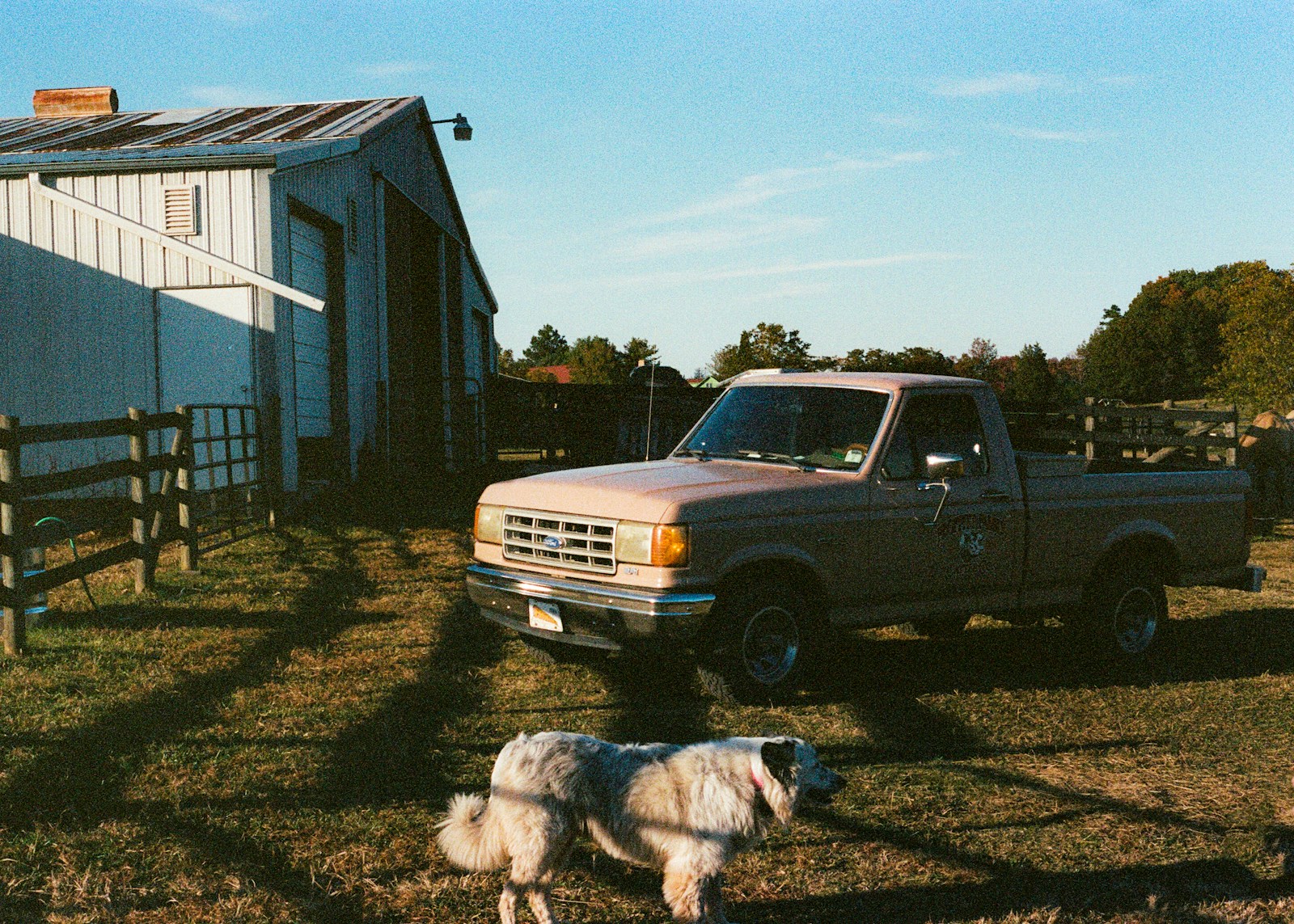

A father finds himself at odds with his children over a classic truck that’s been in the family for years. The kids want to trade it in for a modern SUV, but their dad sees the vehicle as more than just transportation—it’s a tangible link to family memories and history.
The conflict highlights a common generational divide where practical needs clash with sentimental value, forcing families to weigh the benefits of newer vehicles against the emotional weight of keeping cherished possessions. Similar tensions play out in homes across the country, as truck owners debate switching to SUVs and wrestle with whether they’ll regret the decision.
For this family, the debate goes beyond fuel efficiency or cargo space. The father worries that selling the classic truck means erasing a piece of their shared past, while his children see an outdated vehicle taking up space when a practical SUV could better serve their current needs.
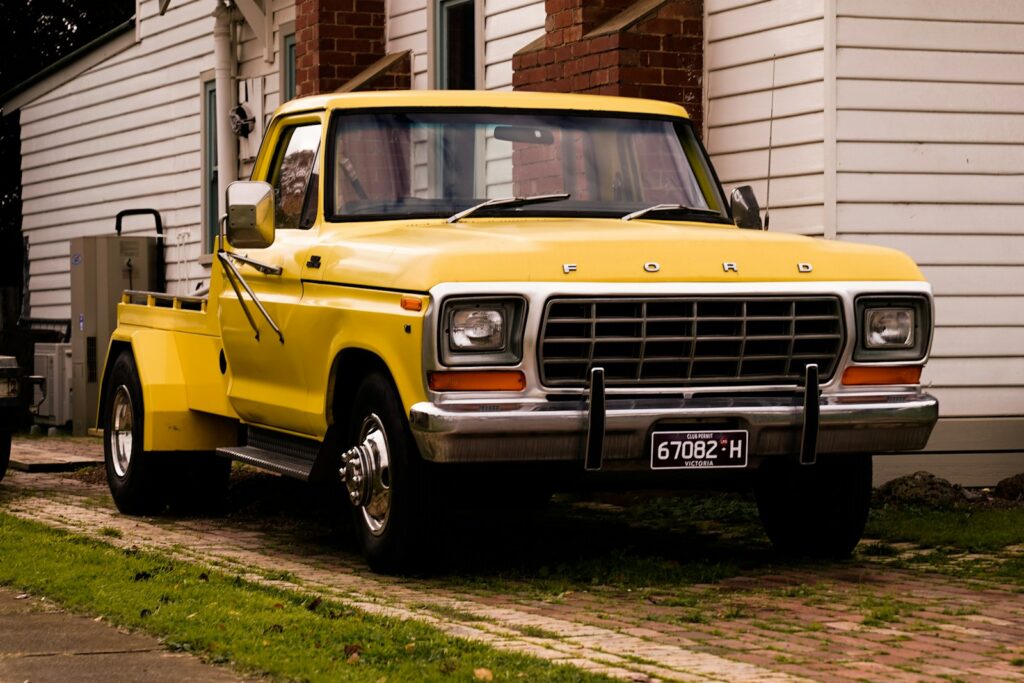
The Struggle Over Trading The Classic Truck
The family finds themselves at odds over whether to keep a vehicle that represents decades of memories or embrace modern convenience. The debate centers on competing values of heritage versus practicality, with emotions running high on both sides.
Understanding The Emotional Value Of The Classic Truck
For the father, the classic truck represents far more than transportation. It’s a tangible connection to family history that he can touch, drive, and preserve for future generations.
The vehicle likely carries memories of learning to drive, family road trips, or passed-down stories from previous owners in the family. Every scratch and dent tells a story that can’t be replicated in a showroom model.
Classic trucks often serve as symbols of simpler times when vehicles were easier to maintain and built to last. The owner probably spent countless hours working on the truck, understanding its quirks and personality in ways that modern complex vehicles don’t allow.
These mechanical bonds create emotional attachments that outsiders might struggle to comprehend. The truck becomes part of the family identity rather than just another possession that can be easily replaced.
Why The Kids Prefer A New SUV
The younger generation sees the situation through a different lens focused on functionality and reliability. They want features like advanced safety systems, better fuel economy, and modern conveniences that the classic truck simply can’t provide.
New SUVs offer climate control, smooth rides, and technology integration that make daily driving more comfortable. The kids probably don’t want to deal with potential breakdowns or the hassle of finding parts for an older vehicle.
They view the classic truck as impractical for their current lifestyle needs. Modern families often require more seating capacity, cargo space, and dependable transportation that won’t leave them stranded.
The gap between generations shows how different priorities shape vehicle choices. What feels like erasing history to the father feels like practical progress to his children.
Balancing Sentimental Attachments And Practical Needs
The family faces a dilemma that many households encounter when nostalgia clashes with modern requirements. Neither side is wrong in their reasoning, which makes finding middle ground particularly challenging.
The father grapples with feeling like his values and family legacy aren’t being respected. Watching his kids dismiss something he treasures cuts deeper than just losing a vehicle.
Meanwhile, the kids likely don’t fully grasp the emotional weight their request carries. They see an old truck where their father sees irreplaceable family heritage on four wheels.
This tension reveals broader questions about preserving the past versus moving forward. The struggle isn’t really about the truck itself but about what each generation values and how they define family identity.
Family Legacy And Its Place In Modern Life
Physical objects carry emotional weight that transcends their monetary value, and vehicles like classic trucks often represent decades of family memories. The tension between preserving these tangible connections and embracing modern preferences reveals how differently generations view material inheritance.
What Happens When Family Heirlooms Are Replaced
When families replace inherited items with newer alternatives, they’re not just swapping objects. They’re making decisions about which parts of their history they choose to carry forward. A classic truck that a grandfather drove might represent his work ethic, weekend adventures, or the times he taught his children to drive.
The loss of these items can feel like family history is being erased, even when the decision comes from practical needs. Younger family members might not share the same emotional attachment to a vintage vehicle that requires constant maintenance. They see a truck that breaks down frequently rather than the memories attached to it.
This disconnect isn’t about disrespecting the past. It’s about different experiences shaping different values. The father in this situation sees family heritage slipping away, while his kids see an opportunity for reliability and modern features.
Generational Views On Cars And Family Traditions
Older generations often view vehicles as investments kept for decades, while younger people typically see them as tools that should be upgraded when better options emerge. This shift reflects broader changes in how people interact with possessions.
Classic vehicles required hands-on maintenance that created bonding opportunities between parents and children. Modern SUVs need less frequent repairs and come with features that prioritize convenience over the learning experiences that came with fixing older models.
The kids pushing for a new SUV aren’t necessarily rejecting their family’s values. They’re operating within a different framework where practicality and current needs outweigh sentimental attachment to objects. The challenge lies in finding ways to honor the past without being bound by it.
More from Steel Horse Rides: