
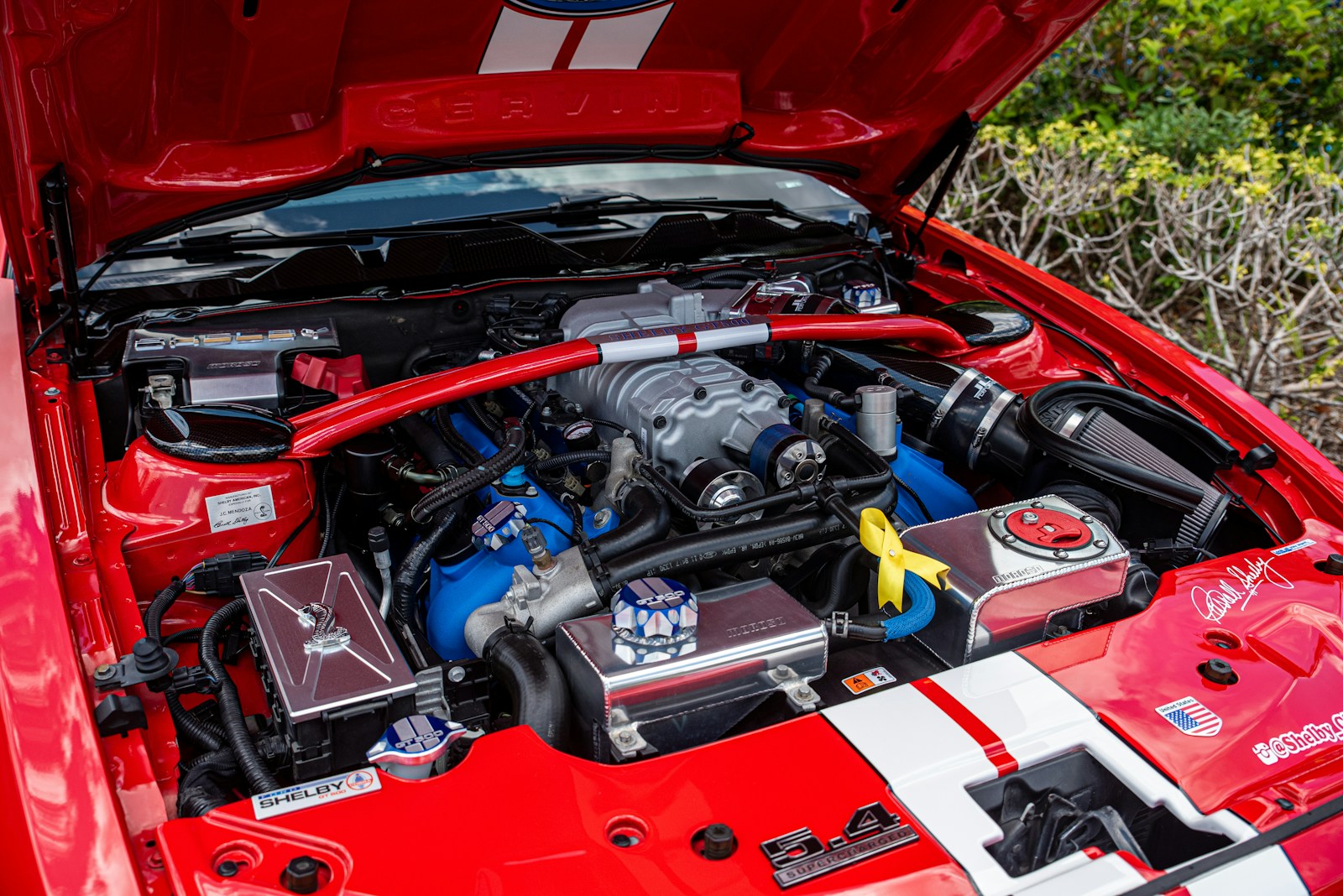

A father faces an unexpected conflict when his son proposes swapping out the original engine in their classic car for a modern replacement. The disagreement has sparked tension between the two, with the father viewing the modification as a betrayal of the vehicle’s heritage and authenticity. The clash highlights a common generational divide in the car enthusiast community, where younger builders often prioritize performance and reliability while older collectors emphasize preserving original components.
The situation echoes similar debates playing out in garages across the country. Father-son car projects typically bring families together, but disagreements over modification philosophies can strain even the strongest bonds. While some enthusiasts embrace engine swaps to improve performance, others see them as destroying what makes vintage vehicles special.
This particular dispute goes beyond mechanical preferences. The father’s anger stems from concerns about losing the car’s authenticity and historical value, while his son sees an opportunity to make the vehicle more practical and enjoyable to drive. The tension raises questions about ownership, respect for automotive history, and whether compromise is possible when two generations have fundamentally different visions for the same machine.
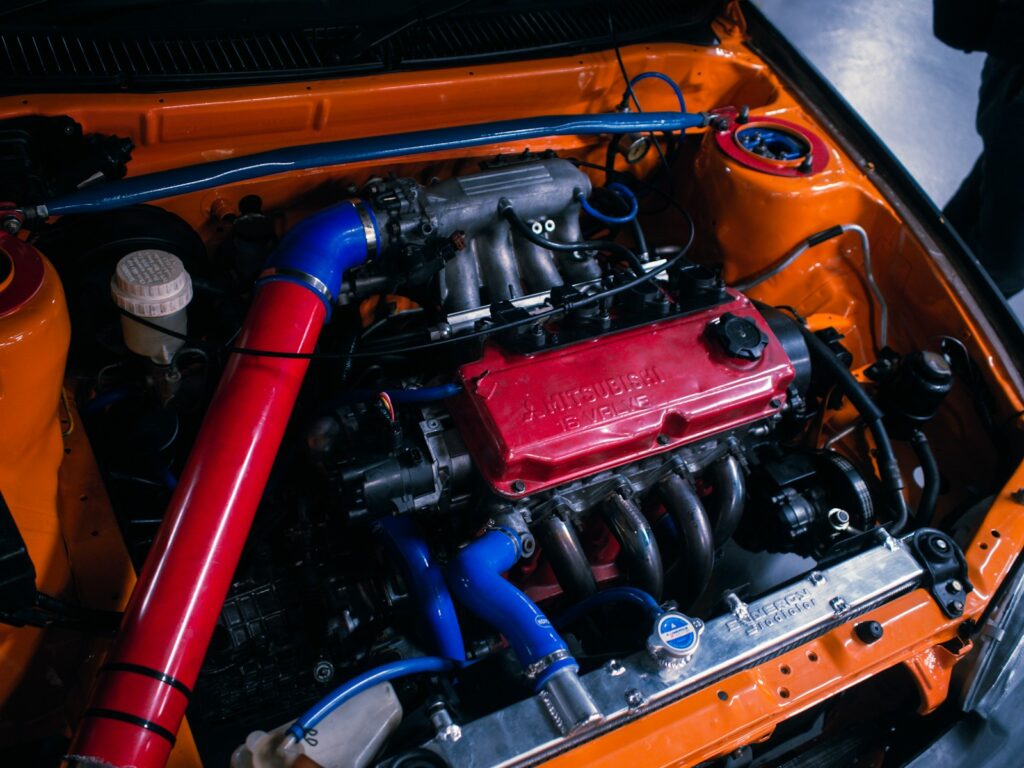
The Debate Over Engine Replacement and Authenticity
The conflict between preserving originality and embracing modern technology has created a divide in the automotive community, with collectors prioritizing authenticity while younger enthusiasts see upgraded powertrains as practical improvements.
Why Original Engines Matter to Enthusiasts
For classic car collectors, an original car engine represents authenticity and historical preservation. The father’s frustration stems from a long-standing belief that matching numbers—when the engine’s serial number matches the vehicle’s VIN and production records—defines a vehicle’s legitimacy.
Classic car values depend heavily on original components. Original engines can increase the resale value of collector vehicles like vintage Corvettes and Mustangs. Enthusiasts search for vehicles with factory-installed engines because these cars tell an unmodified story of automotive history.
The emotional connection runs deeper than money. Purists believe that replacing the heart of a classic vehicle erases its character and the engineering decisions made decades ago. They argue that discovering and preserving these original powertrains represents respect for automotive heritage.
Modern Engine Advantages and Drawbacks
The son’s perspective reflects a practical approach to classic car ownership. Modern engines offer better fuel efficiency, lower emissions, and improved reliability compared to aging original powertrains. They also provide easier access to replacement parts and reduced maintenance costs.
Engine replacement can restore reliability and performance while potentially extending the vehicle’s lifespan. Newer powertrains eliminate concerns about catastrophic failure that comes with decades-old components. Daily driving becomes more feasible with modern technology.
However, swapping engines can devalue classic cars in the collector market. Insurance complications may arise when the installed engine doesn’t match factory specifications. The modification also raises questions about the vehicle’s authenticity that future buyers will inevitably discover during inspections.
Generational Perspectives on Car Restoration
The father-son disagreement highlights how different generations view automotive preservation. Older enthusiasts grew up when original components defined a vehicle’s worth, making any modification feel like destruction of history.
Younger car owners see vehicles as platforms for improvement rather than museum pieces. They prioritize usability and performance over historical accuracy. This generation often discovers that older engines have a higher chance of failure, making replacement seem logical rather than sacrilegious.
The gap extends beyond personal preference. Older collectors remember when original parts were readily available and restoration meant returning vehicles to factory specifications. Younger enthusiasts face a reality where original components are scarce and expensive, making modern alternatives attractive.
Neither perspective is objectively wrong. The collision of values happens when family members with different priorities share ownership or decision-making power over a vehicle that means different things to each generation.
Impact on Car Value, Legacy, and Family Dynamics
Engine replacements and modifications create tangible financial consequences while stirring emotional conflicts that test family bonds. The clash between preserving automotive heritage and embracing modern performance splits generations of car enthusiasts.
How Modifications Affect Classic Car Value
Original engines command premium prices in the classic car market. A vehicle with its factory-installed powerplant typically fetches 20-30% more than an identical model with a replacement engine, even if the swap delivers superior performance.
Mechanical wear and maintenance history directly impacts resale value in measurable ways. Buyers scrutinize vehicle history reports, and a non-original engine raises red flags about authenticity. Collectors seeking investment-grade vehicles often walk away from modified examples entirely.
The documentation matters as much as the hardware itself. A professionally installed crate engine with receipts causes less value depreciation than an undocumented backyard swap. Numbers-matching components—parts bearing serial numbers that match factory records—separate five-figure cars from six-figure ones in the muscle car world.
Some modifications actually increase value, particularly when period-correct performance parts enhance the original design. A 1960s Mustang with a Boss 302 engine from the same era might appreciate rather than depreciate.
Family Disagreements Over Restorations
The father’s fury stems from seeing his automotive legacy rewritten by his son’s modern preferences. These disputes often represent deeper conflicts about respecting tradition versus pursuing personal vision.
Parents view their classic cars as tangible connections to their youth and accomplishments. When children propose radical changes, it feels like erasing family history. The son sees untapped potential in a vehicle he may eventually inherit, wanting to create something he’ll actually drive rather than preserve as a museum piece.
Videos and images of the original configuration become crucial evidence in these battles. The father likely has photos documenting the car’s original state, treating them as sacred records. The son might counter with videos of modern engine swaps on YouTube, showcasing improved reliability and performance.
Compromise rarely satisfies either party. Keeping the original engine in storage while installing a modern replacement splits the difference technically but doesn’t resolve the philosophical divide.
Trends in Engine Swaps and Custom Builds
LS engine swaps dominate modern restoration shops, with General Motors’ compact V8s appearing in everything from vintage Chevrolets to classic Fords. The trend prioritizes drivability over authenticity, reflecting younger buyers’ preferences.
Popular modern engine swaps include:
- LS3/LS7 V8s in classic muscle cars
- Coyote 5.0L Ford engines in vintage Mustangs
- Hemi conversions in Mopar vehicles
- Tesla electric motors in various classics
Social media amplifies these trends through build videos documenting each modification step. Enthusiasts share dyno results and track times, creating peer pressure to modernize older vehicles. The son has likely consumed countless hours of this content, shaping his vision for the family car.
Purists still outnumber modifiers at high-end auctions, but younger collectors increasingly value performance over originality. This generational shift explains why the son feels justified despite his father’s objections.
More from Steel Horse Rides: