


A father and son are locked in a heated conflict over a classic car, with the situation escalating when the son attempted to list the vehicle for sale online without permission. The dispute centers on a valuable vintage automobile that has become a source of family tension, raising questions about ownership, respect, and communication between parents and their children.
The core of the disagreement involves the son’s decision to take matters into his own hands by trying to post the classic car for sale on online platforms, a move that left his father angry and feeling disrespected. The father’s frustration stems not just from the potential sale itself, but from his son’s apparent disregard for discussing such a significant decision before taking action.
This family conflict highlights the challenges that can arise when valuable possessions become points of contention. The situation has sparked debate about whether the son had any right to attempt selling the car without consulting his father first, and what the appropriate response should be when family members clash over prized belongings.
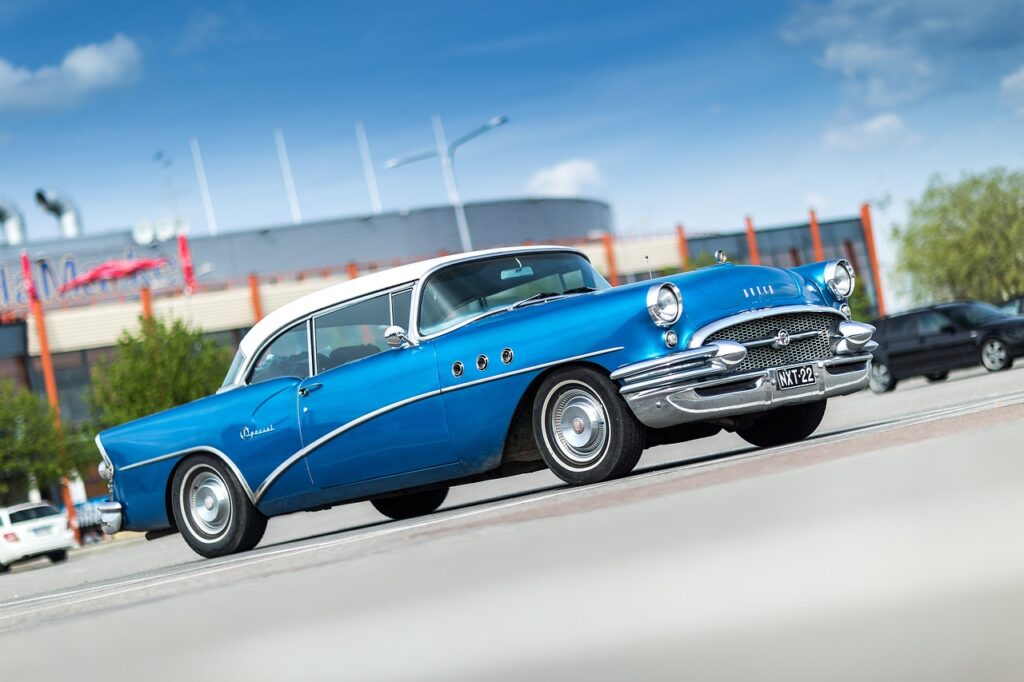
The Dispute Over Selling the Classic Car
The conflict centers on control over a valuable inherited vehicle, with the father expressing anger over his son’s independent decision-making while the son believes he has the right to manage what was left to him.
Father’s Reaction and Emotions
The father’s frustration stems from what he sees as a lack of respect for his authority. He feels blindsided that his son would consider listing the classic car without consulting him first. The situation has left him questioning whether his son understands the value and significance of such a major decision.
His anger intensified when he discovered his son had already begun researching how to sell the vehicle online. The father worries about potential scams, particularly after reports emerged about fraudsters targeting classic car sellers on marketplace platforms. He believes his son lacks the experience to navigate these risks safely.
The emotional weight of the situation goes beyond just the car itself. For the father, this represents a breakdown in family communication and what he perceives as his son’s premature attempt at independence.
Son’s Perspective and Actions
The son maintains that the car was left to him, giving him the legal and moral right to decide its fate. He’s already started preparing to list it for sale, likely researching options through mobile apps and online marketplaces. From his viewpoint, asking permission would undermine the fact that the vehicle is legally his property.
He sees his father’s interference as an attempt to control something that isn’t his to control anymore. The son appears ready to move forward with the sale regardless of his father’s objections. He’s likely been communicating with potential buyers or researching pricing through various online channels.
His determination to proceed suggests he has specific plans for the money or simply doesn’t want to maintain an expensive classic vehicle. The generational divide between him and his father regarding ownership rights has created an impasse neither seems willing to resolve.
Impact on Family Dynamics
The dispute has created visible tension within the household. What started as a disagreement about a car has evolved into a larger conflict about respect, autonomy, and family decision-making. Both parties feel justified in their positions, making compromise difficult.
Communication between father and son has become strained. The father may feel his parental authority is being dismissed, while the son feels his independence isn’t being recognized. This type of conflict can spread to other family members, forcing them to take sides or mediate.
The situation highlights how inheritance and valuable assets can become flashpoints for family conflict. Similar disputes have played out in other families, such as cases involving inherited classic cars worth tens of thousands where family members disagreed on what should happen to the vehicle. The ongoing disagreement threatens to damage their relationship long-term if neither party finds a way to understand the other’s perspective.
Posting the Classic Car for Sale Online
When classic car owners decide to sell their vehicles online, they encounter a digital marketplace filled with various platforms, social media channels, and new technologies that shape how these transactions unfold.
Online Platforms for Car Listings
The father and son faced multiple options for listing classic cars online. Traditional sites like Autotrader, Cars.com, and eBay Motors have long served as go-to destinations for sellers. However, specialized auction sites have transformed the classic car market in recent years.
Bring a Trailer charges sellers $99 to list their vehicles, with an optional $250 for professional photography. The platform takes a 5 percent buyer’s fee capped at $5,000 instead of charging sellers hefty commissions. Competitors like Hemmings Motor News, Cars and Bids, and Hagerty Marketplace offer similar services.
Model-specific forums attract passionate enthusiasts who understand vehicle values better than casual buyers. These forums typically require membership and sometimes a minimum number of posts before sellers can advertise. The son likely considered these specialized communities where fellow Chevy Bel Air enthusiasts congregate.
Role of Social Media and Video Sharing
Facebook groups dedicated to specific car models have become popular selling venues. The son could have joined Chevrolet-focused communities where members actively buy and sell vintage vehicles. Facebook Marketplace also provides another avenue, though sellers must be cautious of scammers who make initial contact through the platform.
Video content plays an increasingly important role in online car sales. YouTube guides demonstrate how to sell classic cars for top dollar by convincing buyers to purchase sight unseen over the internet. Walk-around videos showcase vehicle conditions, engine sounds, and interior details that static photos cannot capture. Many sellers now create video tours to complement their listings.
Using AI and Mobile Tech in Online Sales
Mobile technology has made listing vehicles faster than ever. Sellers can photograph their cars, write descriptions, and post ads entirely from smartphones. Apps for major platforms allow real-time communication with potential buyers and instant updates to listings.
AI-powered valuation tools help determine appropriate asking prices, though classic car pricing remains challenging. The condition difference between similar models can mean hundreds of thousands of dollars in value. Some platforms now use AI to screen inquiries and identify potential fraudsters targeting classic car sellers.
More from Steel Horse Rides: