
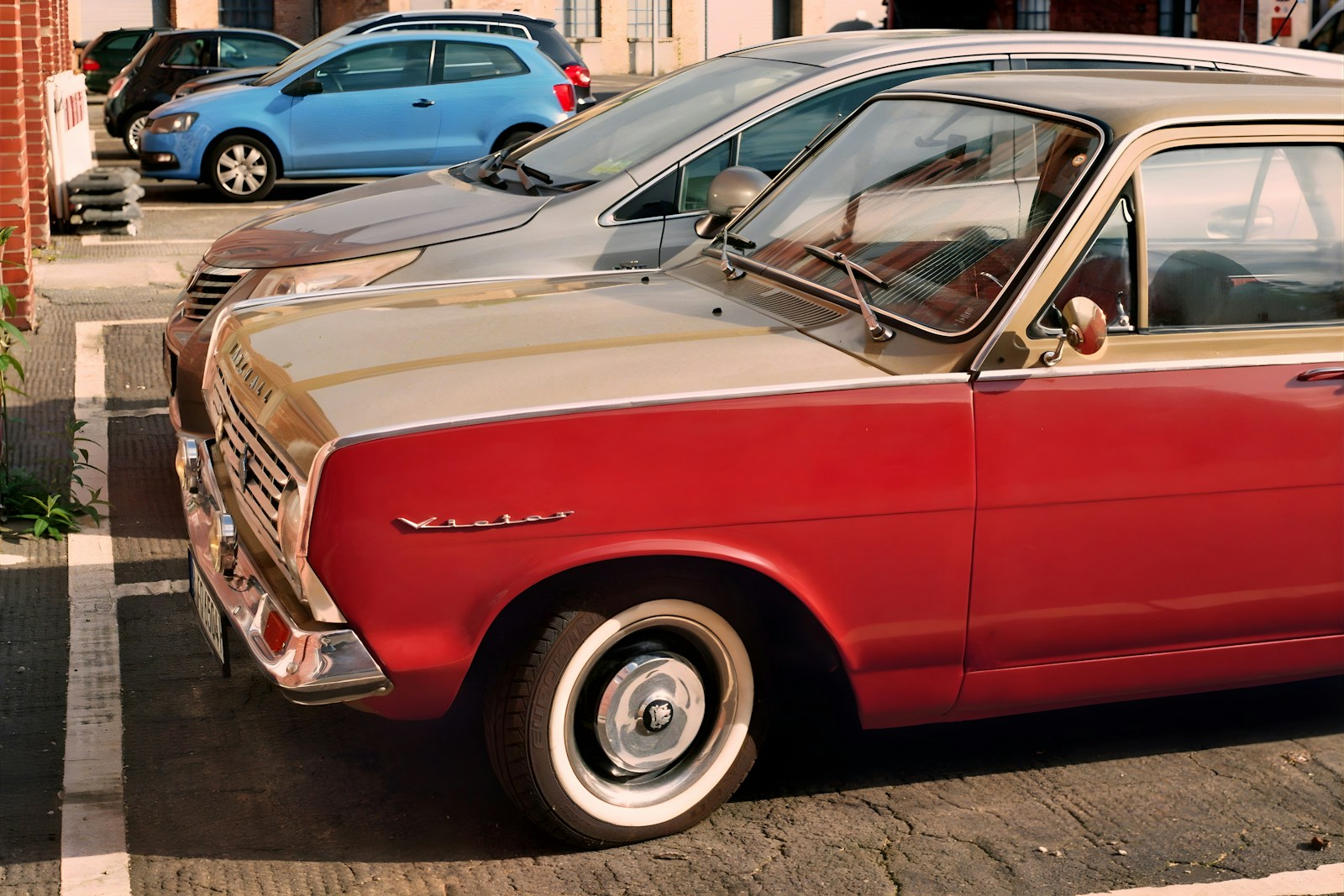

A father’s pride in his classic vehicle has collided with his daughter’s teenage social anxieties, creating a family dispute that’s resonating with parents and kids across social media. The daughter refuses to be seen in the vintage car when her friends are around, leaving her dad caught between his love for the automobile and his daughter’s embarrassment.
The situation highlights a common generational clash where parents cherish nostalgic possessions while teenagers prioritize fitting in with their peers. Some dads have turned these moments into opportunities for humor, with one father playing embarrassing music when dropping his daughter off at school in his older vehicle.
The tension between maintaining family traditions and respecting a young person’s desire for social acceptance creates real friction in households. This particular standoff reveals how something as simple as transportation choices can become a battleground for family dynamics and differing values between generations.
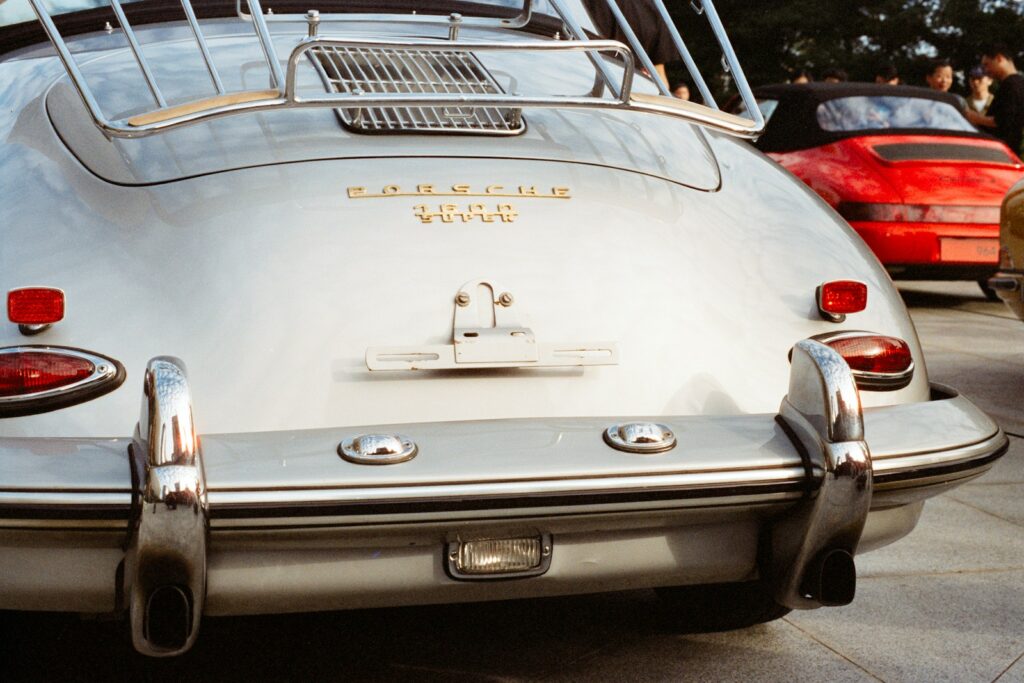
Understanding the Conflict: Dad, Daughter, and the Vintage Car
The tension between preserving family history and fitting in with peers creates a uniquely challenging dynamic when a father’s prized vintage car becomes a source of embarrassment for his teenage daughter. This conflict touches on generational values, social acceptance, and the different ways parents and children assign meaning to objects.
Why the Daughter Finds the Vintage Car Embarrassing
Teenage daughters often view their parents’ vintage cars as outdated relics that draw unwanted attention. The daughter in this situation likely worries about what her friends will think when they see her arriving in a vehicle that stands out from the modern cars her peers drive. She may associate the vintage car with being different or uncool, particularly if the vehicle has visible wear, unusual colors, or distinctive styling that doesn’t match current automotive trends.
The physical condition matters significantly. If the car makes loud noises, lacks modern amenities like Bluetooth or air conditioning, or requires special starting procedures, each quirk becomes another potential source of ridicule. She probably imagines her friends’ reactions and feels embarrassed about being publicly identified by something she didn’t choose.
The age of the vehicle amplifies her concerns. While collectors might see a classic automobile worth thousands, teenagers often equate older cars with financial struggle or parental eccentricity. She takes into account how the car reflects on her family’s image in ways that matter deeply during adolescence.
Parental Perspectives: Sentimentality and Practicality
Fathers who own vintage cars typically attach deep sentimental value to these vehicles. The car might represent years of restoration work, memories of his own youth, or a connection to a family member who previously owned it. He sees the vehicle as a treasure that holds stories and represents his passion for automotive history.
From his viewpoint, the daughter’s embarrassment feels like a rejection of something he values deeply. He invested time and money maintaining the car, and he may have imagined sharing this interest with his child. The practical aspect also factors in—the vintage car runs, provides transportation, and serves its purpose regardless of its age.
Many fathers struggle to understand why their daughters prioritize peer approval over family heritage. He might view the conflict as trivial or believe his daughter should appreciate the car’s uniqueness. The father-daughter communication gap often prevents him from recognizing that her social concerns feel as legitimate to her as his sentimental attachment feels to him.
Social Image and Peer Pressure Among Teenagers
Teenage social dynamics create intense pressure to conform and avoid standing out in ways that invite negative judgment. When a daughter refuses to ride in the vintage car with friends, she’s responding to very real fears about her social standing. Her peer group likely drives or rides in newer vehicles with modern features, and arriving in something dramatically different can mark her as an outsider.
The schoolyard hierarchy amplifies these concerns. Teenagers notice what others drive, wear, and own, using these observations to establish social categories. She understands that one embarrassing moment can become a lasting joke or nickname that follows her through the school year.
Social media compounds the problem. A single photo of her getting out of an unusual vintage car could spread across her entire social network within hours. The permanence of digital mockery makes the stakes feel even higher than they were for previous generations.
Modern Challenges and Technology in Family Transport
Today’s families navigate transportation decisions influenced by both vehicle features and digital systems that track preferences and behavior. The gap between vintage automobiles and contemporary options involves physical amenities and the data collection methods that now shape how people access and use transportation services.
Similar Technologies: Comparing Vintage Cars and Modern Features
Modern cars function as “computers on wheels” with automated driver assistance systems, large display screens, and Internet connections. These vehicles offer connectivity features that vintage cars lack entirely.
Classic automobiles provide basic mechanical transport without digital interfaces. They lack backup cameras, Bluetooth audio systems, and GPS navigation that teens expect as standard equipment. Modern minivans now include advanced safety features like driver-assistance technologies and robust crash protection.
The technology gap creates social friction for young passengers. Vintage cars require manual operation of windows, locks, and climate controls. They offer no USB charging ports or smartphone integration. Contemporary vehicles provide touch-screen controls and wireless device connectivity that align with how teenagers interact with technology daily.
The Role of Optional Cookies and Online Accounts in Ride Services
Digital transportation platforms use cookies and similar technologies to track user behavior and preferences. These tools collect data about ride patterns, location history, and service choices that families make.
Ride-sharing services require online accounts that store personal information and payment methods. Optional cookies enable platforms to remember user settings and provide customized experiences. Parents create accounts that link to their payment information, while teenagers may have limited access through family profiles.
The digital infrastructure of modern transport differs fundamentally from the analog nature of vintage automobiles. Classic cars involve no data collection or online authentication. Contemporary mobility solutions integrate cookies and account systems that monitor usage patterns and facilitate seamless booking through mobile applications.
More from Steel Horse Rides: