
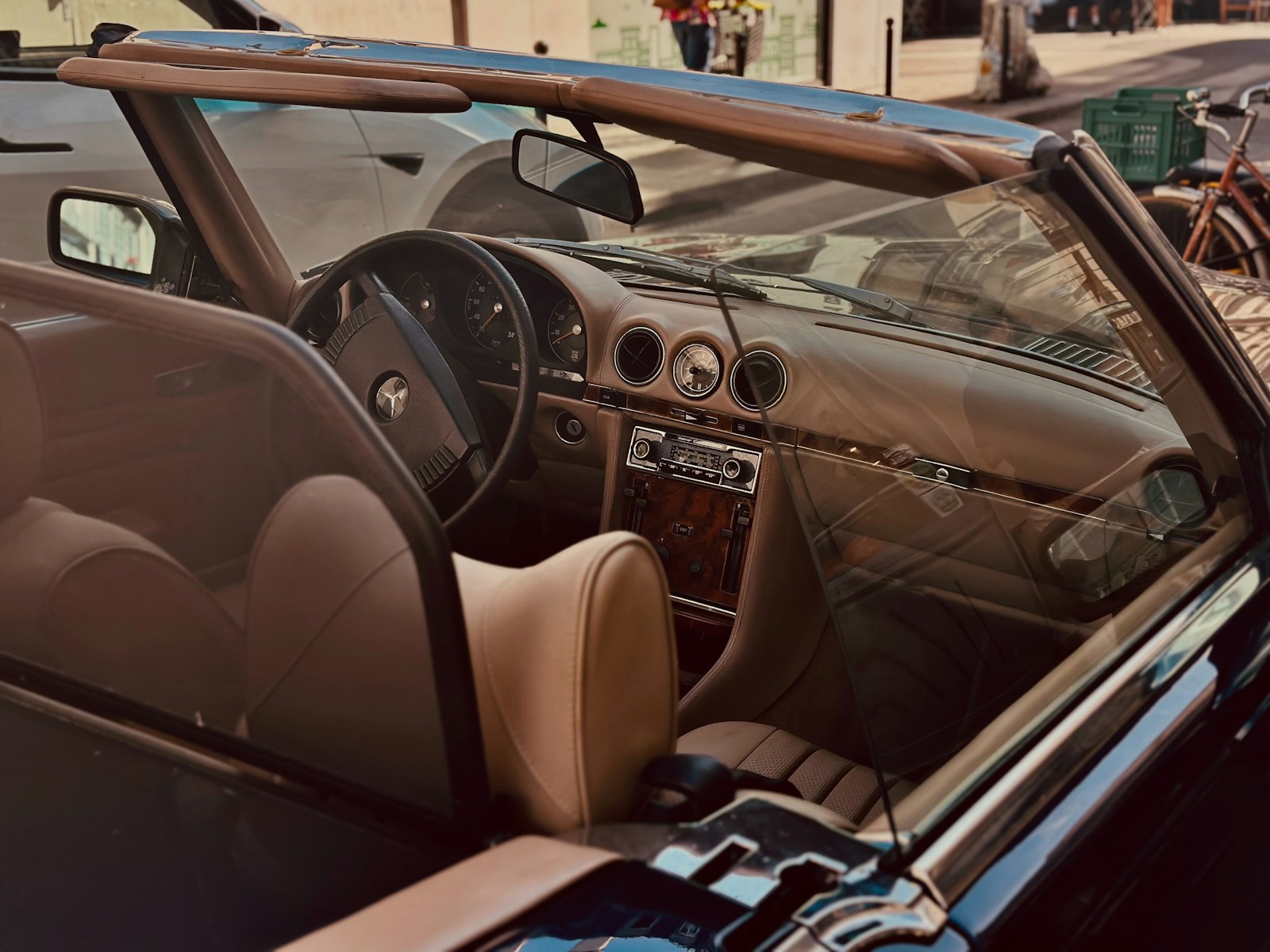

A father finds himself in an unexpected debate with his children over the heart of his classic car’s interior. His kids want to swap out the original bench seat for modern racing seats, but he’s pushing back to preserve the vehicle’s authentic character. The disagreement highlights a common tension between safety upgrades and maintaining period-correct aesthetics in vintage automobiles.
The conversation isn’t just about comfort or style. It touches on practical concerns like fitting racing seats without disrupting the car’s personality, a challenge many classic car owners face when they want better support without compromising the original look. The kids see modern bucket seats as an improvement, while their father worries about losing the vehicle’s classic appeal.
This family dispute reflects a larger question facing vintage car enthusiasts everywhere. As newer generations get involved with classic vehicles, they bring different priorities and expectations about what belongs under the hood and inside the cabin.
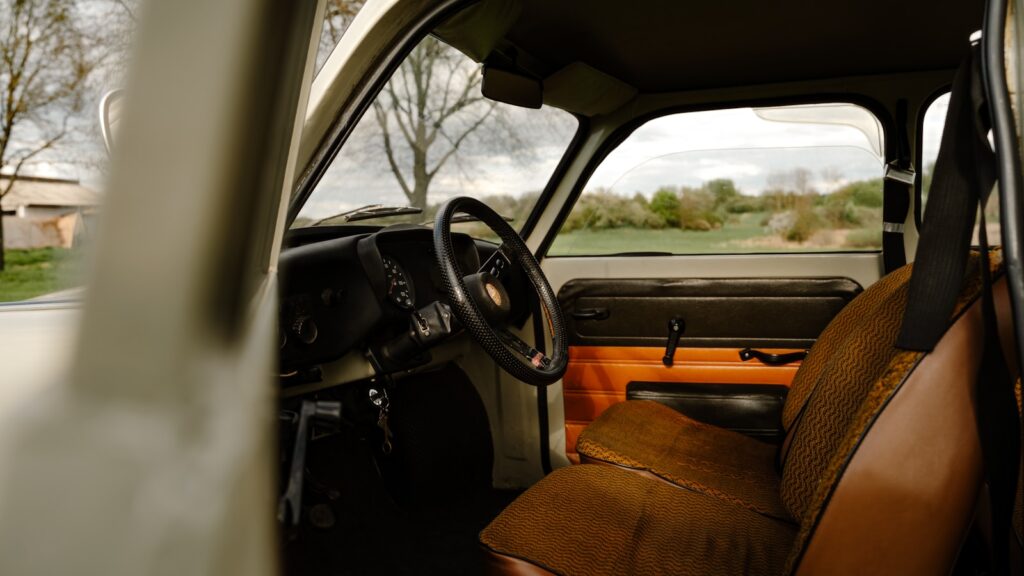
Debate Over the Original Bench Seat and Racing Seats
The family disagreement centers on preserving automotive history versus modernizing for performance and style. The father views the bench seat as integral to the vehicle’s character, while his children see racing seats as a practical upgrade that enhances their driving experience.
Why the Kids Want Racing Seats
The children argue that racing seats offer superior support and safety compared to the aging bench configuration. Modern bucket seats provide bolstering that keeps drivers secure during spirited driving, preventing lateral movement in corners.
They point out that racing seats come with integrated harness slots for multi-point seatbelts. These advanced restraint systems distribute crash forces more effectively than the bench seat’s standard three-point belts. The kids also mention that contemporary seats feature better padding materials that don’t deteriorate like the original foam.
Beyond safety, the younger generation wants the aesthetic appeal of modern performance seats. Racing buckets signal that the vehicle has been modified for driving enjoyment rather than just transportation. The visual transformation would make the interior feel more like a sports car than a family cruiser.
The Dad’s Defense of the Old Interior
The father insists the bench seat represents an important piece of automotive design history that shouldn’t be discarded. He argues that the original configuration is part of what makes the vehicle authentic and valuable to collectors.
He emphasizes that the bench seat allows three people to sit across the front row. This practicality mattered when the car was built and remains useful for short trips with extra passengers. Replacing it with two bucket seats would permanently eliminate this six-passenger capacity.
The dad also worries about the modification’s reversibility. Installing racing seats typically requires drilling new mounting points or using brackets that could damage the original floor pan. He fears this alteration would diminish the vehicle’s resale value and historical integrity.
Emotional Value and Family Memories
The father reveals that the bench seat holds deep sentimental significance beyond its functional purpose. He remembers road trips where his own children sat between their parents on that very seat during their younger years.
The worn upholstery and slight imperfections tell the story of the family’s adventures together. Every stain and crease represents a moment from their shared history that racing seats would erase. He views the original interior as a tangible connection to those memories.
His kids acknowledge these emotional ties but don’t share the same attachment to the outdated seating. They grew up riding in modern vehicles with bucket seats and don’t feel the nostalgia their father experiences when looking at the bench.
Broader Impacts of Car Interior Changes
The debate over replacing bench seats with racing seats extends beyond one family’s disagreement, touching on how different generations view vehicle modifications and what these choices reveal about shifting cultural values in automotive spaces.
Generational Perspectives on Customization
Older car owners often view original interiors as sacred elements that define a vehicle’s character and authenticity. The bench seat represents more than just seating—it symbolizes an era when cars served as social spaces where families sat together during road trips. These owners remember when car interiors prioritized comfort with minimal distractions, featuring plush but static seats that emphasized durability over individualization.
Younger drivers approach vehicle modifications differently. They see car interior modifications as opportunities for self-expression rather than violations of authenticity. Racing seats appeal to this demographic because they represent performance, personalization, and modern automotive culture. The generational divide becomes particularly sharp when children inherit or share vehicles with parents who resist changes to original configurations.
Cultural Influences and the Latino Vote
Vehicle modification culture intersects with broader demographic trends, including how different communities express identity through their cars. The Latino vote has become increasingly significant in political discussions, though its connection to automotive preferences remains less explored. Latino car culture has historically embraced customization, from lowriders to modified interiors that reflect personal style.
This cultural approach to vehicles as canvases for expression contrasts with preservation-minded perspectives. Communities that value automotive customization often view interior changes as celebrations of creativity rather than destruction of original design.
Notable Opinions Including James Talarico
Public figures occasionally weigh in on debates about preservation versus modernization, though James Talarico hasn’t specifically addressed car interior modifications. The broader conversation about respecting tradition while embracing change applies across multiple contexts. When families disagree about vehicle modifications, they’re essentially negotiating between honoring the past and adapting to present preferences—a tension that plays out in political, cultural, and domestic spheres.
More from Steel Horse Rides: