
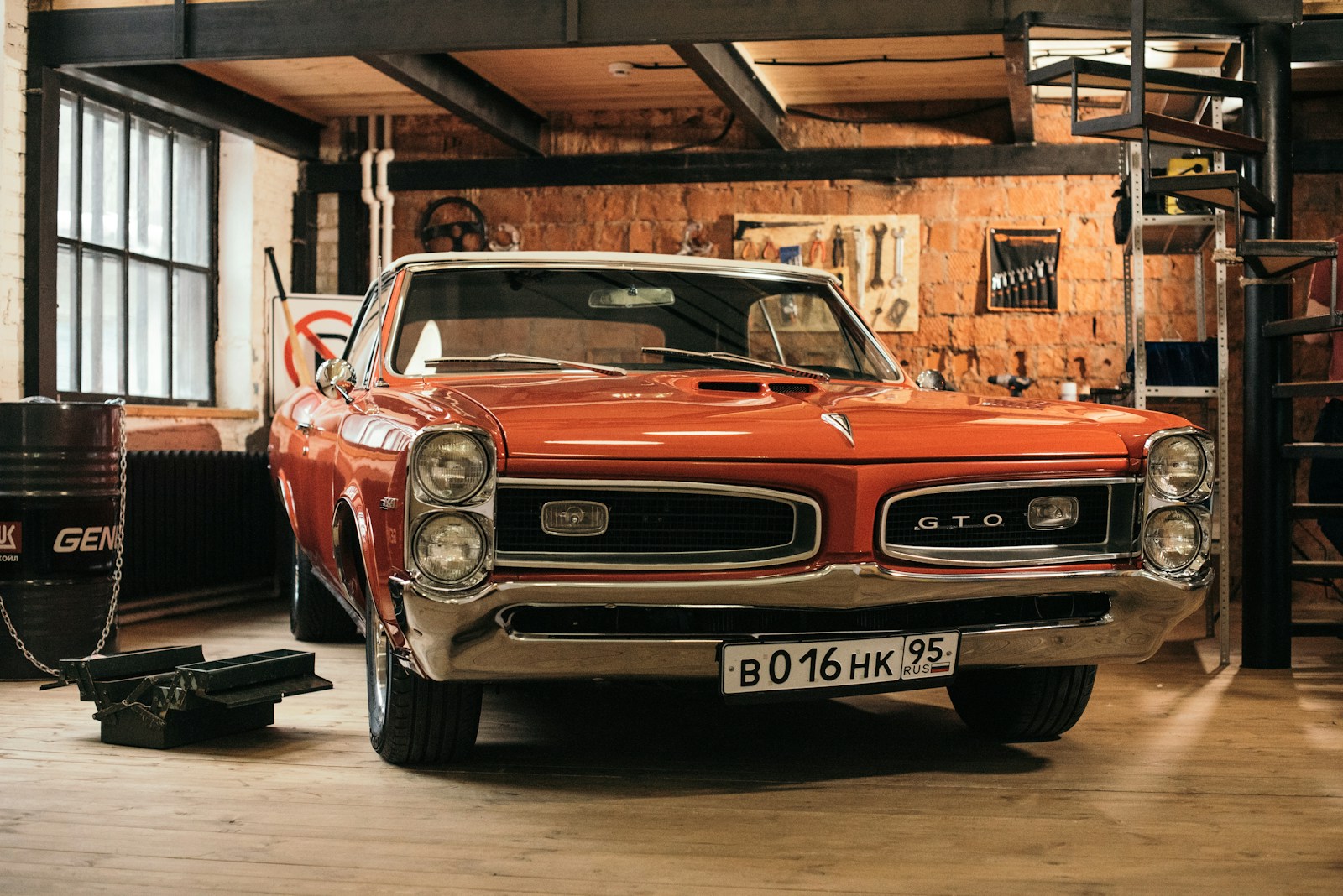

A father’s prized classic car became the center of an unexpected family debate when his son suggested transforming it into a drift car. The conversation left the dad stunned, caught between preserving automotive heritage and his son’s vision for high-octane sideways action.
The young enthusiast’s proposal sparked a conflict that many car-loving families face: honoring a vehicle’s original character versus adapting it for modern performance thrills. Classic cars hold sentimental and historical value, but younger generations often see them as blank canvases for customization.
The disagreement highlights a generational divide in car culture. While some enthusiasts believe classic cars should maintain their originality, others argue that modifications keep vintage vehicles relevant and exciting for new audiences. This particular father-son exchange reveals the tension between respecting automotive history and embracing evolving driving styles.
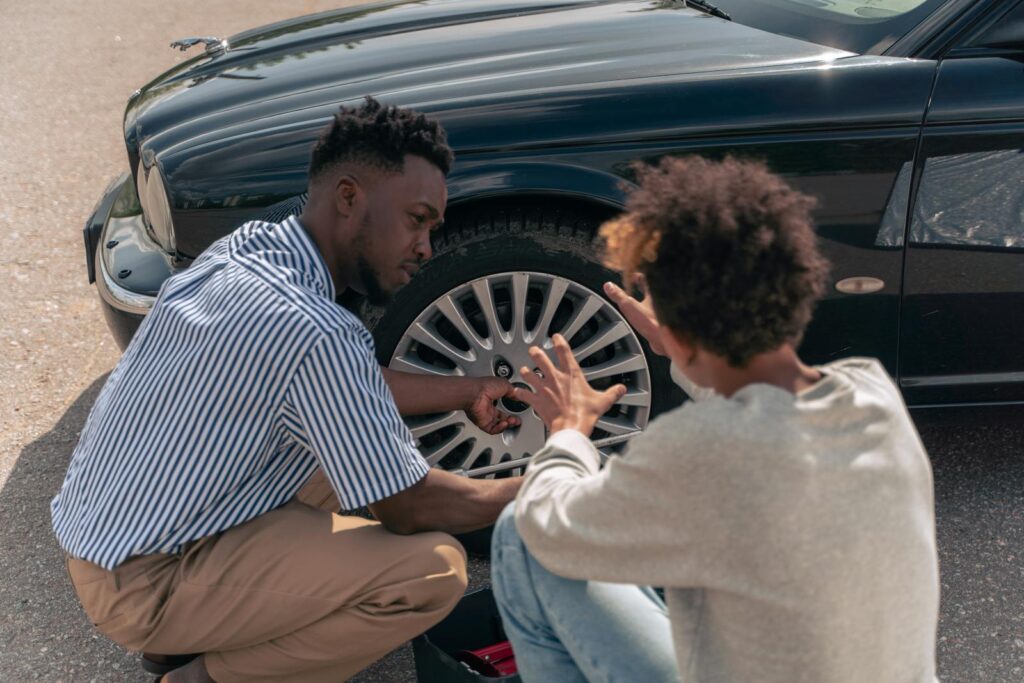
A Father and Son’s Dramatic Car Conversation
The conversation between father and son turned tense when the younger generation proposed transforming a cherished family vehicle into something completely different. What started as a casual discussion about the car’s future quickly revealed a fundamental disagreement about what should happen to the classic automobile.
How the Drift Car Idea Shocked the Family
The son dropped his drift car conversion idea during what seemed like an ordinary conversation. The father couldn’t believe what he was hearing.
His son wanted to strip out the original parts, modify the suspension, and turn the classic into a sideways-sliding machine. The proposal left the dad completely speechless. He’d spent years maintaining the car’s original condition, keeping every component as close to factory spec as possible.
The son explained his vision with enthusiasm, talking about angle kits, welded differentials, and turbocharged engines. None of this matched what the father had imagined for the vehicle’s future. The generational divide became crystal clear in that moment.
Family members who heard about the proposal had mixed reactions. Some thought the son showed creativity. Others sided with the father’s desire to preserve the car’s heritage.
Classic Car Restoration vs Modern Modifications
The father saw the vehicle as a piece of automotive history worth preserving exactly as it came from the factory. Every original bolt, every stock component mattered to him.
The son viewed things differently. He argued that cars exist to be driven and enjoyed, not just displayed. Sitting in a garage gathering dust seemed wasteful to him when the car could be out on tracks having actual fun.
The Two Perspectives:
- Father’s view: Maintain originality, preserve value, honor automotive heritage
- Son’s view: Create something unique, actively use the car, embrace modern performance
The dad worried about destroying something irreplaceable. The son countered that plenty of these models still existed in stock form. Neither side seemed ready to budge from their position.
Should You Convert a Classic Car Into a Drift Car?
The debate over whether classic cars belong on the track or in pristine condition has divided car enthusiasts for years. Cost considerations and emotional attachment to automotive heritage create tension between generations who view these vehicles differently.
Pros and Cons of Car Conversions
Converting a classic into a purpose-built drift car offers performance benefits but comes with significant trade-offs. The father in this situation likely considered how much value the original car holds versus its potential as a competition vehicle.
Advantages of conversion include:
- Lower initial purchase prices compared to modern drift platforms
- Robust rear-wheel-drive platforms already suited for sliding
- Unique presence at drift events where most competitors use newer models
Drawbacks present real concerns:
- Permanent modifications destroy collector value
- Removing weight through stripping rear seats and air conditioning systems makes the car impractical for street use
- Restoration costs can rival building a dedicated drift machine from scratch
One Reddit discussion noted that the expense of making an old muscle car drift-worthy equals building a drift car to FIA specifications. The financial reality complicates what seems like a simple project to younger enthusiasts.
Generational Differences in Car Culture
The son’s suggestion reflects how younger drivers view classic cars as usable platforms rather than museum pieces. His generation grew up watching old stock cars transformed into drift machines, making the idea seem perfectly logical.
Older collectors typically see classics as investments requiring preservation. They remember when these cars were new and attach sentimental value to original condition. The father’s shock suggests he views the vehicle as automotive history worth protecting.
Building a drift car requires understanding suspension geometry, steering dynamics, and weight transfer. Younger enthusiasts focus on these technical aspects rather than originality. They treat cars as tools for competition and self-expression through performance.
This clash represents broader shifts in how different age groups interact with automotive culture. What one generation sees as destruction, another views as evolution.
More from Steel Horse Rides: