

A woman’s routine grocery run turned into a late-night ordeal when her car’s keyless start system suddenly refused to recognize her key fob, leaving her unable to start her vehicle in a dimly lit parking lot. The incident highlights a growing frustration among drivers who depend on modern keyless technology, only to find themselves stranded when the system unexpectedly fails.
The woman found herself stuck after her car displayed a “key not detected” warning, despite having the fob in her possession and the vehicle having worked perfectly fine just an hour earlier. She tried holding the fob near the start button, stepping in and out of the car, and even replacing what she thought might be a dead battery, but nothing worked.
Her experience raises questions about the reliability of keyless entry and ignition systems that millions of drivers use every day. While the technology offers convenience, several common issues can cause a keyless start system to malfunction, from signal interference to programming glitches. The woman’s story reveals what can happen when drivers face these problems at the worst possible time and what factors might have contributed to her car’s sudden refusal to start.
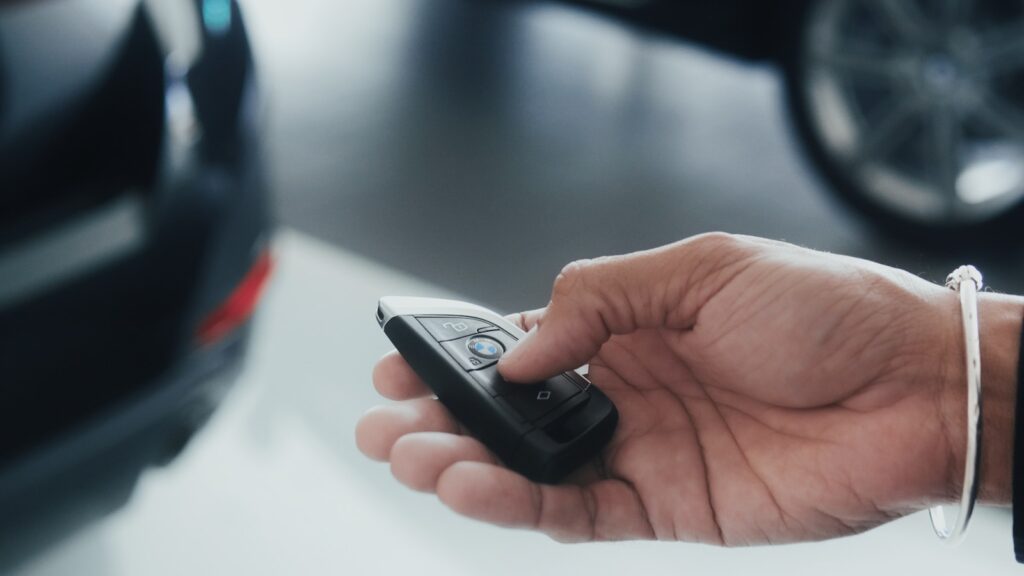
Why Keyless Start Systems Fail to Detect the Fob
Modern keyless start systems rely on constant wireless communication between the car and the key fob, but this technology can fail when batteries die, signals get blocked, or the electronic key loses its connection to the vehicle. These failures often happen at the worst possible times, leaving drivers stranded in parking lots or unable to start their cars.
Dead or Weak Key Fob Battery
The most common reason a car refuses to recognize its key fob is a dying or dead battery inside the fob itself. Most key fobs use small coin-cell batteries like CR2025 or CR2032 that gradually lose power over months or years of use.
When the key fob battery weakens, the signal becomes too faint for the car’s receiver to pick up. The vehicle might work intermittently at first, detecting the fob sometimes but not others. Eventually, the battery dies completely and key fob detection stops working altogether.
Many drivers don’t realize their key fob battery is low until they’re already stuck. The warning signs include needing to press buttons multiple times or having to hold the fob closer to the car than usual.
Signal Interference in Parking Lots and Crowded Spaces
Parking lots and shopping centers create environments where signal interference commonly disrupts key fob communication. Cell phones, wireless routers, and other electronic devices broadcasting in similar frequency ranges can block or overwhelm the signal between the car and fob.
Metal structures, security systems, and even other vehicles packed closely together can create dead zones where the keyless entry system stops functioning. Large retail locations often have multiple sources of radio frequency interference operating simultaneously.
The problem becomes worse in crowded parking lots where dozens of cars and key fobs compete for signal space. A key fob that worked perfectly at home might fail completely in a busy grocery store lot late at night when the driver needs it most.
Faulty or Unresponsive Key Fob
Physical damage to the car key fob can cause detection issues that seem random or unpredictable. Dropping the fob, exposing it to water, or simply wearing it out over years of daily use can damage the internal circuit board.
An unresponsive key fob might have buttons that feel loose or sticky. The fob could work sporadically, functioning one moment and failing the next without any obvious pattern. Some faulty key fobs drain batteries unusually fast because of internal electrical problems.
Drivers often don’t realize their spare key fob could solve the problem immediately if the primary fob has failed. Testing with a second fob helps determine whether the issue lies with the key or the car itself.
Key Fob Programming and Synchronization Issues
Sometimes the electronic key loses its programming and stops communicating with the vehicle even though nothing is physically wrong with either component. Key fob programming problems often happen after the car battery dies or gets replaced, which can reset the vehicle’s security system.
The car and fob need to maintain their synchronized connection for keyless start systems to function. When this connection breaks, the vehicle refuses to recognize the fob as authentic and won’t start the engine.
Aftermarket key fobs sometimes cause synchronization issues because they’re not programmed correctly for the specific vehicle. Even original equipment fobs can lose their programming over time or after certain electrical system events.
What to Do When Your Keyless Start Leaves You Stranded
Getting locked out with a non-responsive key fob can happen to anyone, and knowing about backup options like hidden physical keys or when to call an automotive locksmith can make the difference between a minor inconvenience and a terrible night.
Using Spare Keys or Hidden Physical Keys
Most drivers forget that their key fob actually contains a hidden physical key tucked inside. This backup key slides out from the fob’s housing and can unlock the driver’s door manually, even when the electronic system fails completely.
Many car owners keep a spare key fob at home, which doesn’t help much when they’re stuck in a parking lot miles away. Some people get smart about it and hide a backup key in a magnetic case under their car or give one to a trusted friend or family member who lives nearby.
The woman stranded at the grocery store could have avoided her ordeal if she’d known about the physical key hidden in her fob. Most manufacturers design their key fobs with this emergency feature, though they rarely advertise it prominently in owner’s manuals.
Quick Troubleshooting Steps in the Moment
When a keyless start system suddenly fails, the first thing to check is the key fob battery. Batteries die without warning, and replacing them takes just a few minutes with the right coin-sized battery from any convenience store.
Drivers experiencing problems with keyless cars should try holding the fob directly against the start button, as this often works even with a weak battery. The car’s receiver picks up the close-range signal when it can’t detect it from farther away.
Signal interference from nearby electronics or other key fobs can also cause issues. Moving away from the store entrance or other cars sometimes restores the connection between the car key fob and the vehicle’s system.
When to Seek Professional Help or Locksmith Services
Some keyless system failures require professional locksmith solutions that go beyond simple battery swaps or troubleshooting. Damaged internal components, programming errors, or receiver malfunctions need specialized equipment to diagnose and fix.
Automotive locksmith services can reprogram a spare key fob on-site or create new ones when the original fails completely. These professionals carry the tools and software needed to work with modern keyless systems from different manufacturers.
Dealerships can perform a software update or replace faulty start buttons, but they typically charge more and require towing the vehicle to their location. Mobile locksmiths arrive at the stranded driver’s location and often cost less for emergency calls late at night.
More from Steel Horse Rides: