
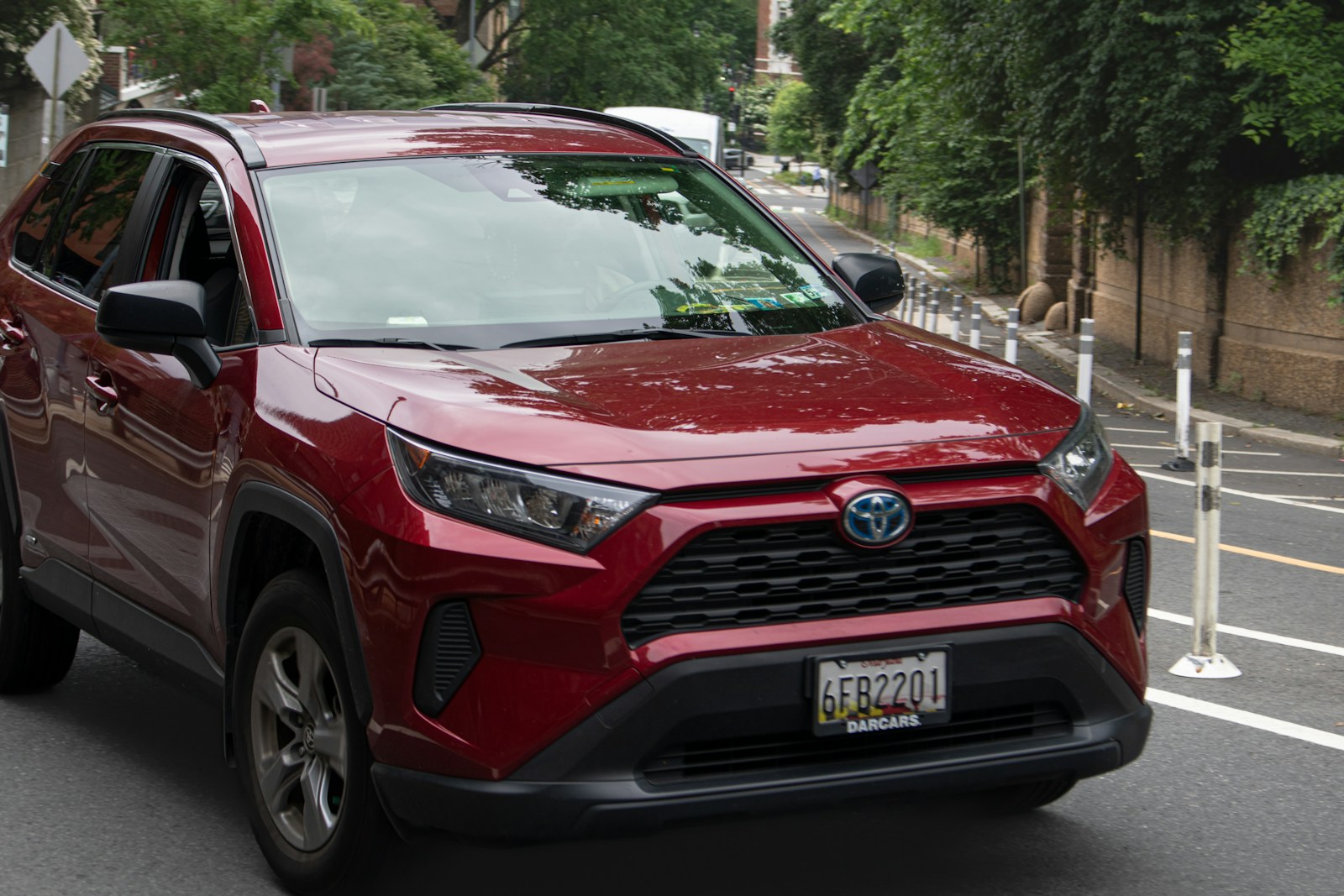

Five major auto recalls are demanding attention this spring, covering everything from Ford’s massive software fix to BMW fire warnings and lingering Takata airbag dangers. Together, these campaigns affect well over 5 million vehicles on U.S. roads. Every recall repair is free, but only if owners actually show up. Here is what drivers need to know about each one and how to check whether their car is on the list.
Millions of recalled vehicles are still on the road
The scale of unrepaired recalls in the United States is staggering. The California Office of Traffic Safety reported during Vehicle Safety Recalls Week in late March 2026 that more than 5.4 million vehicles in California alone are operating with unresolved safety recalls. Nationally, the National Highway Traffic Safety Administration has for years urged drivers to treat recall checks the same way they treat oil changes: skip them at your own risk.
Checking takes less than two minutes. Owners can enter a 17-character vehicle identification number (VIN) or license plate number at NHTSA.gov/recalls to see every open recall tied to their car, tires, or child car seats. The same portal lets drivers sign up for email alerts so future recalls don’t slip through the cracks.
1. Ford recalls roughly 4.3 million vehicles over trailer-brake software
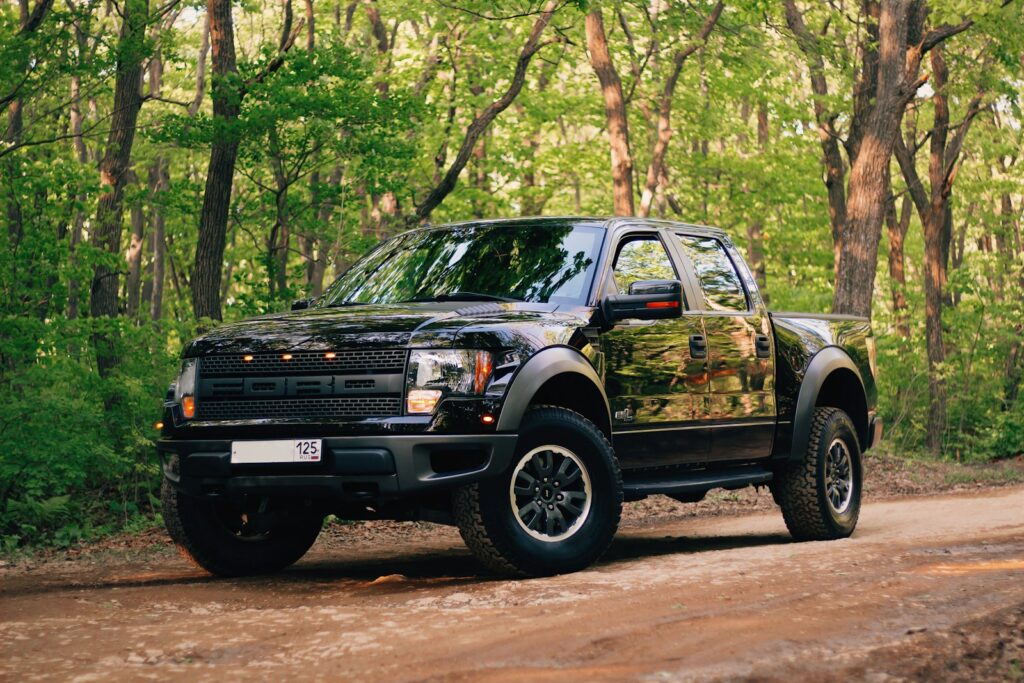
The single largest active recall this spring belongs to Ford. In early 2026, the automaker disclosed a software defect that can sever communication between a towing vehicle and its trailer, disabling trailer brakes and lights without warning. CBS News reported that the failure affects the module responsible for controlling trailer braking and lighting systems, raising crash risk especially in rain, snow, or heavy traffic.
The recall covers approximately 4.3 million Ford trucks and SUVs spanning the 2024 through 2026 model years, according to recall tracking by Sam & Ash LLP, which monitors NHTSA filings. For anyone who regularly tows a camper, boat, or work trailer, the practical danger is straightforward: press the brake pedal and the trailer keeps pushing. Ford dealers are performing free software updates, and owners who tow should avoid hauling heavy loads until the fix is installed.
2. Toyota recalls 550,000 Highlanders for seatback that may not lock
Toyota announced in March 2026 that it is recalling certain 2021 through 2024 Highlander and Highlander Hybrid SUVs because the front seatback may fail to lock after adjustment. In a crash, an unlocked seatback could collapse rearward, reducing the seat’s ability to restrain the driver or front passenger. Toyota’s official recall notice, issued from its Plano, Texas headquarters, confirmed the defect involves a component in the seatback recliner mechanism.
Roughly 550,000 SUVs are included, according to Cleveland.com reporting on the campaign. The Highlander is one of the best-selling three-row SUVs in the country, which means a large share of affected owners are families with children riding in the second and third rows directly behind the compromised seats. Toyota dealers will inspect and repair the recliner mechanism at no cost.
3. Subaru recalls more than 69,000 Crosstrek and Forester hybrids
Subaru is recalling 69,153 model-year 2025 and 2026 Crosstrek and Forester Hybrid crossovers, according to Kelley Blue Book’s recall database. The affected vehicles include the 2026 Crosstrek Hybrid, a model that has become a staple of suburban commutes and is frequently driven in stop-and-go freeway traffic where a sudden loss of power could be especially dangerous.
Recall summaries tracking the first week of March 2026 filings note that the defect may cause stalling or other loss-of-power conditions. Subaru has not yet disclosed a detailed repair timeline, so owners should contact their local dealer to confirm parts availability and schedule service as soon as possible.
4. BMW recalls 575,000 vehicles over starter motors that can catch fire
BMW is recalling approximately 575,000 vehicles worldwide after determining that certain starter motors can overheat and ignite, even when the car is parked and the engine is off. Autoevolution reported that the defect stems from an internal electrical fault in the starter motor assembly, which can generate enough heat to start a fire without any driver input.
In a statement reported by Yahoo Finance, BMW AG recommended that owners not leave the engine running unattended after starting the vehicle, particularly after using remote start. Until repairs are completed, BMW owners should park outdoors and away from structures. The recall covers multiple BMW model lines; owners can confirm whether their VIN is included through NHTSA’s lookup tool or their local BMW dealer.
5. Stellantis issues “do not drive” order for 225,000 vehicles with Takata airbags
Some of the most dangerous recalls on the road right now involve vehicles that have been under recall for years. Stellantis has issued a “do not drive” warning for roughly 225,000 older Chrysler, Dodge, Jeep, and Ram vehicles equipped with Takata airbag inflators that can rupture in a crash and spray metal shrapnel into the cabin. The affected vehicle list includes 2003 through 2010 Dodge Ram pickups, 2004 through 2009 Dodge Durango SUVs, 2005 through 2011 Dodge Dakota trucks, select Jeep Wrangler models, and other vehicles in the Stellantis lineup.
The Takata airbag crisis, which has been linked to dozens of deaths and hundreds of injuries worldwide, remains the largest auto recall in U.S. history. WWLP reported that defective Takata inflators can send fragments into the necks and faces of vehicle occupants. A “do not drive” designation is the most severe warning an automaker can issue. Owners of these vehicles should not drive them at all. Instead, they should call their dealer and arrange for the car to be towed in for a free airbag replacement.
How to stay ahead of the next recall
Recall campaigns are announced almost weekly, and the only reliable way to keep up is to build a check into your routine. The U.S. Department of Transportation’s “Safe Cars Save Lives” initiative, promoted during Vehicle Safety Recalls Week in March 2026, encourages drivers to look up their VIN at least twice a year and after any major safety news.
Three steps make the process simple:
- Check your VIN now. Visit NHTSA.gov/recalls and enter your 17-digit VIN, found on the driver-side dashboard or inside the driver’s door jamb.
- Sign up for alerts. NHTSA’s portal lets you register your vehicle so you receive an email whenever a new recall is issued for your make and model.
- Act quickly. Recall repairs are always free. If a dealer says parts are backordered, ask for a loaner vehicle or written timeline. For any “do not drive” recall, have the vehicle towed rather than driving it to the shop.
More from Wilder Media Group: