

Owning a car has always come with predictable costs: insurance, fuel, the occasional repair bill. But over the past year, a wave of government decisions on both sides of the Atlantic has added new charges and removed old exemptions, making driving measurably more expensive for tens of millions of people. Here is where the biggest hits are landing in 2026, and what drivers can do about them.
1. UK vehicle tax now catches almost every car, including electrics
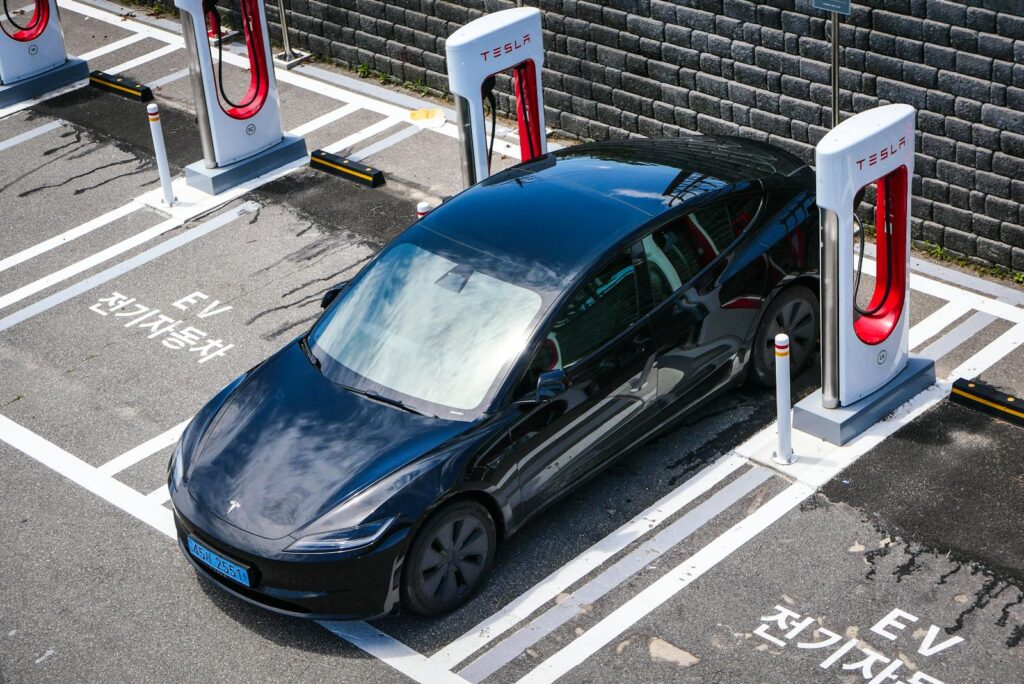
Since April 1, 2025, electric vehicles in the United Kingdom have been subject to Vehicle Excise Duty (VED) for the first time. Under updated government rules, zero-emission cars now pay the same standard annual rate as petrol and diesel models: £195 a year.
That alone is a significant shift for EV owners who bought their cars partly because annual road tax was £0. But the change goes further. Cars with a list price above £40,000 also attract the Expensive Car Supplement, an additional £410 per year for five years from the second tax payment onward. Many popular electric SUVs and long-range saloons cross that threshold, which means their owners now face annual VED bills north of £600.
First-year rates have also climbed for higher-emission vehicles. According to analysis from Cinch, the steepest first-year charges now exceed £2,700 for the most polluting new cars, while even mid-range family SUVs have moved into more expensive bands. For anyone budgeting for a new car purchase in 2026, VED is no longer a rounding error.
2. The EV ownership calculation has changed
The end of the VED exemption is part of a broader pattern: the financial incentives that once made electric cars a clear bargain are thinning out.
When the UK government confirmed the 2025 rule changes, it also noted that first-year tax for some EV models would double compared to the 2024/25 tax year. Combined with elevated list prices for battery-powered cars and higher borrowing costs, the total cost of ownership gap between electric and combustion vehicles has narrowed considerably.
None of this means EVs have become a bad deal. Electricity remains cheaper per mile than petrol or diesel in most of the UK, and maintenance costs are typically lower. But the days of near-zero running costs on the tax side are over, and buyers shopping in early 2026 need to factor VED into their comparisons rather than treating it as a freebie.
3. City driving charges keep climbing
For drivers in London, vehicle tax is only one layer of cost. The city’s Ultra Low Emission Zone (ULEZ), which now covers all London boroughs, charges £12.50 per day to any car, van, or motorcycle that does not meet minimum emissions standards, according to Transport for London. For a tradesperson driving a non-compliant van into the zone five days a week, that adds up to more than £3,200 a year.
On top of ULEZ, central London’s Congestion Charge applies separately. In November 2025, TfL confirmed changes that raised the daily charge to £18 from January 2, 2026, with adjusted operating hours. A driver who commutes into the zone and also falls under ULEZ could now pay more than £30 a day just for the right to use the road.
London is the most prominent example, but it is not alone. Cities including Birmingham, Bristol, and Bath operate or have operated Clean Air Zones with their own fee structures. The trend across UK urban policy is clear: private car use in city centres is being priced as a premium activity, and the charges are rising faster than inflation.
4. US fuel economy rollbacks could lock in higher pump costs
In the United States, the cost pressure comes from a different direction. Federal fuel economy standards, known as Corporate Average Fuel Economy (CAFE) rules, determine how efficient new vehicles must be. Under the Biden administration, the National Highway Traffic Safety Administration (NHTSA) finalized rules in 2024 that would have pushed the fleet-wide average to roughly 50.4 miles per gallon by model year 2031, saving the average household hundreds of dollars in fuel over the life of a vehicle.
In December 2025, the Trump administration proposed a sharp rollback. According to Reuters, NHTSA’s new proposal would revise the 2022 baseline standards downward and then increase them by just 0.25% to 0.5% per year, a far slower trajectory. The agency’s own estimates project that the weaker standards would increase national fuel consumption and carbon dioxide emissions by about 5%.
For individual drivers, the math is straightforward: less efficient vehicles burn more fuel. As the Southwest Energy Efficiency Project noted, Americans who keep their cars for a decade or more would feel the cumulative cost most acutely, paying thousands more at the pump over the vehicle’s lifetime than they would under the stricter rules. The proposal is still subject to a public comment period and potential legal challenges, so the final outcome remains uncertain as of early 2026.
5. Auto tariffs threaten to raise sticker prices
While taxes and city charges hit after purchase, trade tariffs can inflate the price before a buyer even signs the paperwork. In the US, the possibility of a 25% tariff on all auto imports has loomed over the market since early 2025.
As CNN reported, automakers have limited short-term options if broad tariffs take effect. Shifting production lines takes years, which means manufacturers would likely pass much of the added cost directly to consumers. Industry analysts have estimated price increases of $2,500 to $10,000 per vehicle depending on where it is assembled and how many imported components it contains.
Even vehicles built in the US are not fully insulated. Modern supply chains pull parts from Mexico, Canada, Japan, and South Korea, so tariffs on components can ripple through to domestically assembled models. For buyers in spring 2026, the practical advice is to watch trade policy announcements closely: a tariff decision could shift the price of a new car within weeks of taking effect.
How drivers can respond when policy pushes costs up
Check your vehicle’s tax band now. In the UK, the government’s online vehicle tax checker shows exactly what you owe. If you are approaching a renewal, knowing the new rate in advance helps with budgeting.
Factor total cost of ownership into any purchase. A car with a lower sticker price but higher emissions may cost more over five years once VED, fuel, and potential city charges are included. Running the numbers before signing matters more now than it did two years ago.
Look into exemptions and discounts. London’s Congestion Charge still offers discounts for certain low-emission vehicles and residents within the zone. ULEZ-compliant cars avoid the daily fee entirely. For US buyers, federal and state EV tax credits, where they still apply, can offset some of the purchase premium.
Time major purchases carefully. Tariff announcements, tax year changes, and new emissions rules tend to arrive on known dates. Buying just before a tariff takes effect or just after a new incentive launches can save a meaningful amount.
Government policy has always shaped the cost of driving. What has changed is the speed and scale: multiple new charges arriving in the same period, across multiple markets, with fewer exemptions to soften the blow. Staying informed is no longer optional for anyone who depends on a car.
More from Wilder Media Group: