
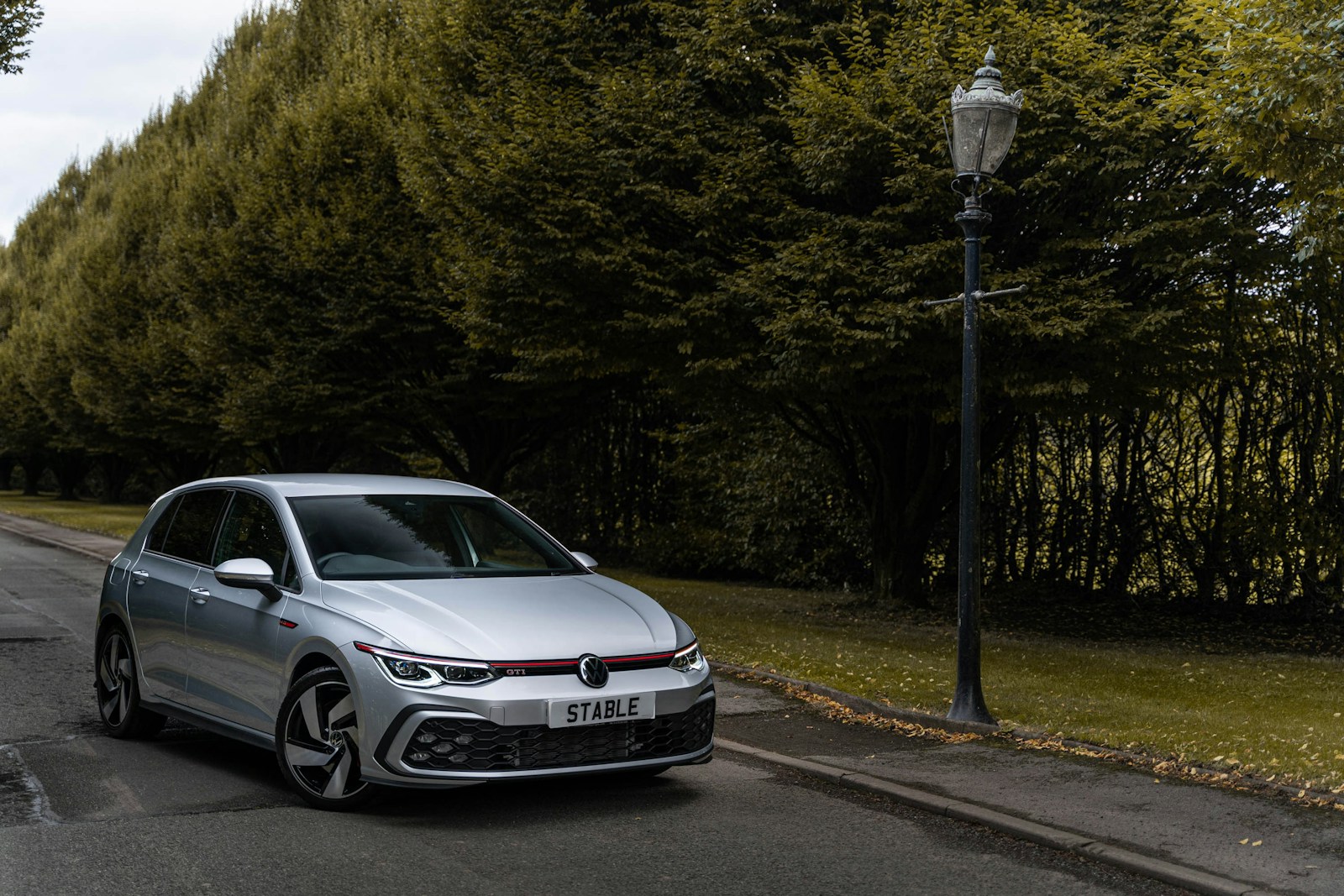

In March 2026, a new Volkswagen Golf rolls off the lot with something its predecessor deliberately removed: physical buttons for the climate controls. Volkswagen added them back after years of customer complaints about the previous model’s touch-only panel. The company is not alone. Porsche, Hyundai and even Ferrari have publicly reversed course on touch-sensitive controls in recent model years, acknowledging that what looked futuristic in a design studio felt frustrating on a freeway.
These reversals reflect a broader reckoning. Across owner surveys, safety research and repair-shop invoices, three categories of automotive technology keep surfacing as sources of genuine driver resentment: touch controls that replace physical buttons, driver-assistance systems that nag more than they help, and infotainment screens that demand more attention than the road ahead.
1. Touch Controls That Replace Real Buttons
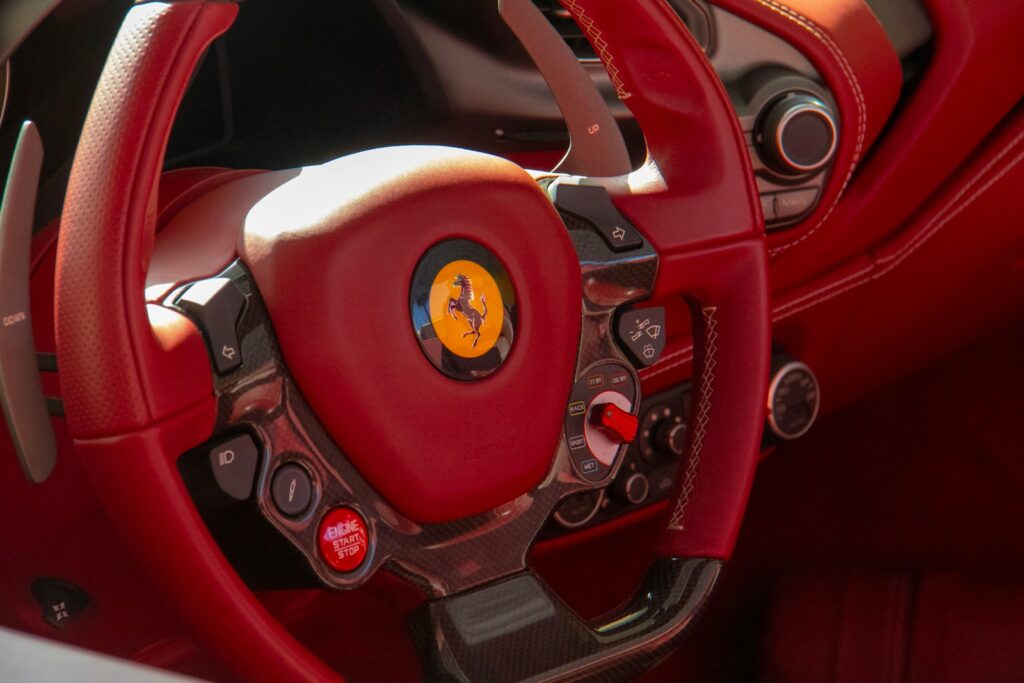
Capacitive sliders, haptic steering-wheel pads and glossy flat panels look striking in a showroom. On the road, they strip away something drivers have relied on for decades: the ability to adjust a setting by feel, without looking down. Owners describe hunting across a smooth surface for a virtual button that used to be a tactile knob, only to trigger the wrong function with a stray fingertip.
The backlash has been loud enough to force public admissions. Ferrari acknowledged that touch-sensitive steering-wheel buttons were a mistake, citing controls that were either too sensitive or too slow to respond. Volkswagen restored physical climate knobs to the Golf and Tiguan after the touch-only redesign drew widespread criticism. And Euro NCAP, the European car-safety body, has updated its rating protocols to penalize vehicles that bury basic functions like indicators and hazard lights behind touchscreen menus, a clear signal that regulators view the trend as a safety concern, not just an annoyance.
Reader responses collected by The Wall Street Journal echo the pattern. Drivers praise practical aids like blind-spot monitoring but vent about gesture-controlled audio and haptic volume sliders that activate with an accidental brush of the hand. The complaint is not about technology itself. It is about designers choosing a minimalist dashboard over controls that work without a glance away from the road.
Repair costs sharpen the resentment. A cracked capacitive panel or a failed touch module can run well into four figures because the parts require dealer-level software calibration that independent mechanics often cannot perform. Replacing a physical knob, by contrast, is a parts-bin job. When a feature that was supposed to simplify the cabin also inflates the repair bill, owners feel like they are subsidizing a design experiment they never signed up for.
Even exterior lighting draws complaints tied to the same philosophy of “more is better.” In an informal neighborhood survey published by The Truth About Cars, LED headlamps came up repeatedly as a source of irritation for oncoming drivers, bright enough to feel like a hazard rather than an upgrade. A feature that looks premium on a spec sheet can feel aggressive in real traffic.
2. Driver Assistance That Feels More Like Nagging Than Safety
Advanced driver-assistance systems (ADAS) promise to keep a vehicle centered in its lane, maintain a safe following distance and warn of potential collisions. The safety case is real: the Insurance Institute for Highway Safety has linked forward-collision warning and automatic emergency braking to meaningful reductions in rear-end crashes. But the gap between what these systems promise and how they behave day to day is where frustration festers.
Lane-keeping alerts chime on narrow roads with faded markings. Automatic emergency braking activates in stop-and-go traffic when no collision is imminent. Steering corrections arrive abruptly enough to startle a focused driver. Jalopnik’s review of modern features making cars worse notes that drivers are not the only ones frustrated: mechanics and professional reviewers argue that some systems intervene in ways that make driving less predictable, not more safe.
Inconsistency erodes trust fastest. A car might tolerate a gentle drift toward a lane marker one morning and then deliver an aggressive steering nudge the next, with no obvious change in road conditions. That unpredictability encourages drivers to disable features entirely, which defeats the safety purpose. A 2023 AAA survey found that many owners with ADAS-equipped vehicles could not correctly describe what their systems were designed to do, a knowledge gap that turns a well-intentioned warning into what feels like a malfunction.
A Cars.com quiz on safety-feature literacy illustrated the problem: technology that once sounded like science fiction is now standard equipment, yet buyers receive little meaningful training on how it behaves. When a safety aid feels like a scolding passenger rather than a quiet backup, owners start to question who is really in control of the car.
Auto start-stop systems, a simpler form of automation, draw a parallel complaint. In owner-satisfaction surveys conducted in the U.K., roughly a quarter of drivers with the feature described it as actively annoying and said they disable it on every trip. If even a straightforward fuel-saving function can feel intrusive, it is no surprise that more complex ADAS interventions provoke stronger reactions.
3. Infotainment Screens That Demand More Attention Than the Road
Central screens have ballooned to tablet size and beyond, swallowing climate controls, seat heaters, drive-mode selectors and, in some vehicles, even the glovebox latch. Automakers frame this as progress: software can be updated over the air, and new functions can be added after purchase. Drivers frame it differently. They want to turn up the heat without navigating two menus and a confirmation prompt.
Research supports their frustration. A study by the AAA Foundation for Traffic Safety, covered by Consumer Reports, found that programming navigation and handling text messages through in-dash systems pulled drivers’ eyes from the road significantly longer than simpler tasks like adjusting the radio. Scientific American noted that any glance away from the road lasting longer than two seconds raises crash risk, and multi-step menu systems quietly stretch those glances well past that threshold.
The complaints span every price bracket. The Wall Street Journal reported that drivers are increasingly frustrated with what they call excessive and unreliable technology, from passenger-side screens to augmented-reality head-up displays and gesture controls that misread hand movements. A WCNC Charlotte investigation found that local drivers are growing fed up with high-tech features that glitch or break, leaving them with expensive repairs for systems they never specifically wanted.
Privacy adds another layer of unease. Connected infotainment systems can collect location histories, contact lists and driving-behavior data. Consumer Reports’ Security Planner advises motorists to review dashboard permissions as carefully as they would on a smartphone, a reminder that the screen watching you drive may also be reporting on how and where you do it.
The Core Tension: Drivers Want Safety, Not Complexity
Behind all of these complaints sits a telling contradiction. Many of the same people who resent overcomplicated dashboards say they would never give up automatic emergency braking or blind-spot alerts. The problem is not technology. It is how technology is packaged: features designed around a spec sheet instead of a steering wheel, interfaces that prioritize visual flash over tactile clarity, and repair economics that punish owners for complexity they did not choose.
The automakers now walking back their most aggressive touch-only designs suggest the industry is listening, at least selectively. Whether that course correction reaches infotainment bloat and ADAS calibration remains an open question. For now, the clearest verdict comes from the drivers themselves: make it intuitive, make it transparent, and stop treating the cabin like a beta test.
More from Wilder Media Group: