

A new car loses value the moment it leaves the lot. Everyone knows that. What most buyers don’t realize is how unevenly that loss hits. Some models shed a third of their sticker price in five years. Others lose more than two-thirds, leaving owners staring at trade-in offers that feel like typos.
Data from iSeeCars, which analyzed over 800,000 five-year-old vehicles sold in the U.S., reveals a small group of cars and SUVs that depreciate far faster than the market average of roughly 38.8% over five years. As of early 2026, the pattern is clear: luxury flagships, first-generation EVs, and tech-heavy SUVs take the biggest hits. Here are five that fall the hardest, and what their plunging values mean for new and used buyers alike.
1. Jaguar I-Pace: the steepest drop in the EV market
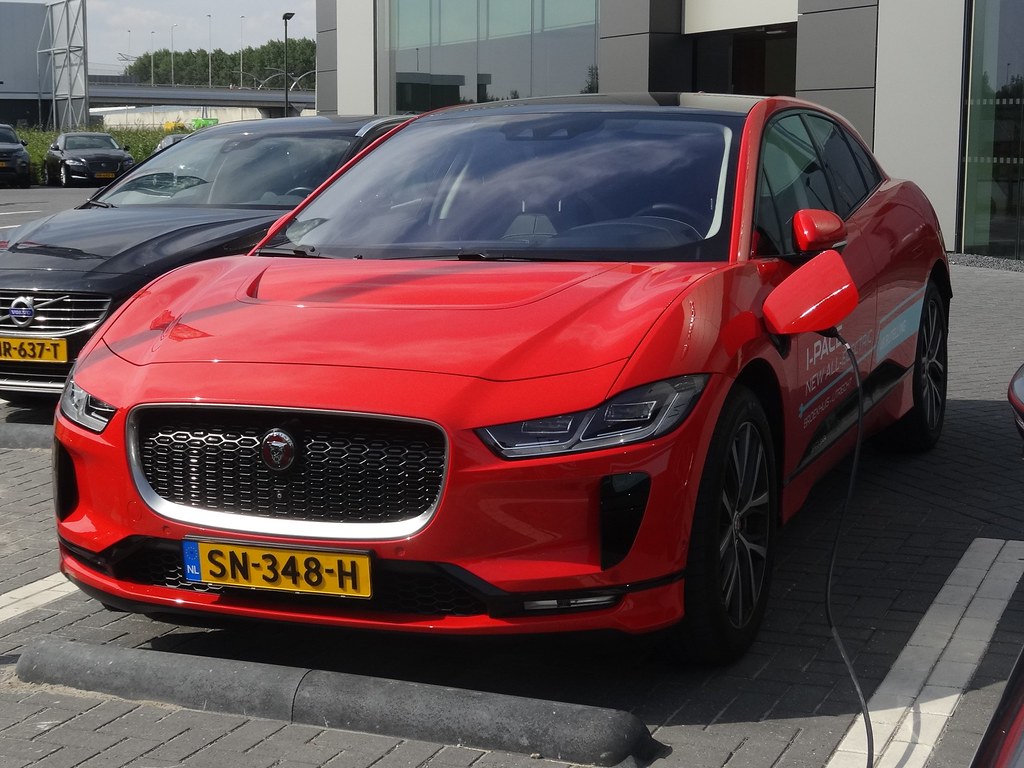
No vehicle on sale today illustrates electric-car depreciation quite like the Jaguar I-Pace. According to iSeeCars data reported by Autoblog, the I-Pace loses approximately 72.2% of its original value over five years, making it the single fastest-depreciating EV in the study.
That means a buyer who paid around $71,000 for a new I-Pace could see it worth less than $20,000 half a decade later. The reasons stack up quickly. Jaguar’s charging network and dealer support never matched what Tesla or even Hyundai offered EV buyers. Meanwhile, newer electric crossovers from BMW, Mercedes-Benz, and Genesis arrived with longer range, faster charging, and fresher interior tech, pushing the I-Pace to the margins of the used market.
Jaguar’s ongoing brand pivot toward an all-electric lineup, as noted by Yahoo Autos, has not helped first-generation I-Pace values. Buyers waiting for the next Jaguar EV have little reason to pay a premium for the outgoing model, and that uncertainty keeps resale prices pinned down.
2. BMW 7 Series: six figures new, a fraction of that used
The BMW 7 Series is a perennial fixture on depreciation lists, and the numbers back up its reputation. iSeeCars data places the 7 Series at roughly 67.1% depreciation over five years, a figure confirmed in Autoblog’s ranking of the steepest-falling vehicles across all powertrains.
A 7 Series that stickered above $100,000 can trade hands for under $35,000 once it hits the secondary market. The technology inside these cars is part of the problem. BMW loads each generation with cutting-edge features (gesture control, advanced driver-assist systems, massive displays) that feel dated once the next generation arrives. Buyers in this segment tend to want the newest of everything, so they lease or trade frequently, flooding the used market with low-mileage examples.
Maintenance costs compound the issue. Out-of-warranty repair bills on a 7 Series can rival monthly payments on a new 5 Series, which scares off budget-conscious used buyers and keeps demand soft. For anyone willing to handle those costs, though, a three- or four-year-old 7 Series offers an extraordinary amount of car for the money.
3. Tesla Model X: falcon wings, falling value
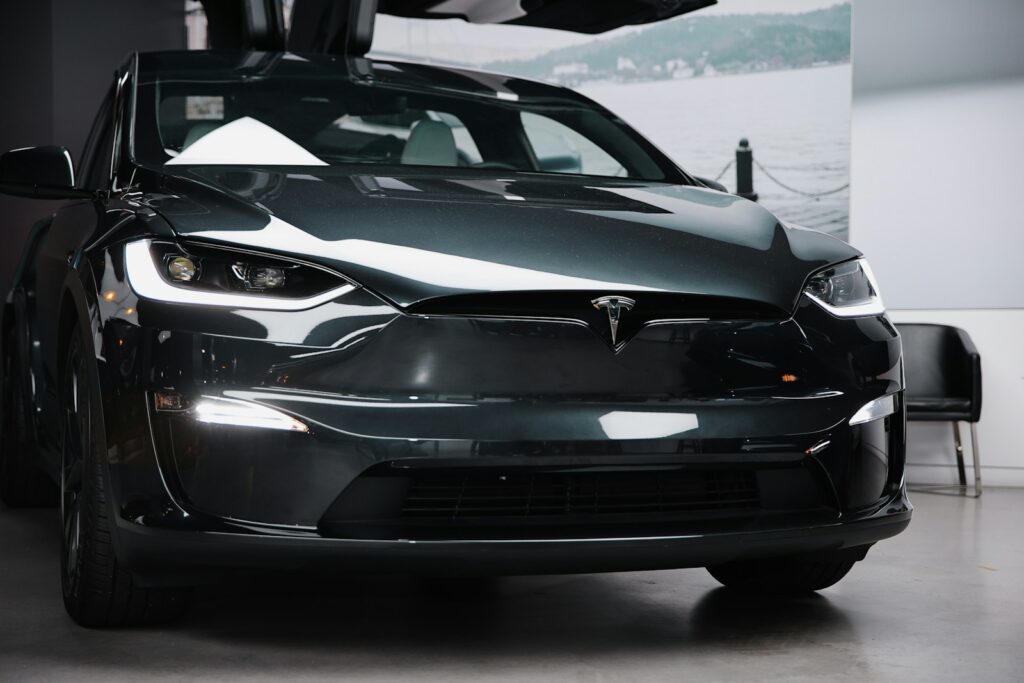
Tesla’s flagship SUV launched with enormous buzz, but the Model X has not held value the way its smaller sibling, the Model 3, has. iSeeCars pegs the Model X at 63.4% depreciation over five years, placing it among the steepest-falling EVs on the market.
The falcon-wing doors deserve part of the blame. They are a striking design choice, but repair costs when the complex hinges or sensors fail can run into thousands of dollars. That scares off second and third owners who don’t want to gamble on out-of-warranty fixes. Tesla’s habit of updating range, software, and pricing on newer Model X trims also undercuts older versions. When a brand-new Model X gets a price cut or a range bump, every used listing instantly looks less appealing.
There is a silver lining for shoppers. A 2021 Model X that originally cost north of $90,000 can now be found in the low $30,000s with reasonable mileage. For buyers comfortable with Tesla’s service model and willing to accept slightly older battery tech, that is a significant value proposition.
4. Maserati Ghibli: Italian prestige, American depreciation
The Maserati Ghibli has appeared on nearly every major depreciation ranking for the past several years, and the trend has not reversed. According to VinCheckUp’s analysis of the top depreciating cars, luxury sedans from brands like Maserati routinely lose well over half their value in the first five years, with the Ghibli among the most dramatic examples in the segment.
The Ghibli’s problem is positioning. It launched at prices that overlapped with the BMW 5 Series and Mercedes-Benz E-Class but couldn’t match their interior quality, technology, or dealer networks. Maserati’s relatively small U.S. footprint means fewer service centers and higher parts costs, both of which weigh on resale. And because the Ghibli was often leased with aggressive incentives, a steady stream of off-lease cars has kept used inventory high and prices low.
For enthusiasts who want a Ferrari-derived V6 and Italian styling at used-Honda-Accord money, the Ghibli is tempting. But prospective buyers should budget for maintenance that reflects the original sticker, not the current asking price.
5. First-generation electric crossovers: the broader pattern
The I-Pace and Model X are not outliers. A wider group of early electric crossovers and hatchbacks has seen sharp depreciation as the EV market matures. Data compiled by EVDances shows that several first-generation EVs retain only 30% to 40% of their original MSRP after five years, well below the average for gasoline-powered equivalents.
Battery technology is advancing fast enough that a 2021 EV with 230 miles of range now competes against 2026 models offering 300-plus miles on a single charge. Faster onboard charging, better cold-weather performance, and improved software have all widened the gap between old and new. At the same time, aggressive pricing moves by manufacturers (Tesla’s repeated price cuts, Chevrolet’s repositioning of the Bolt) have pulled the floor out from under used EV values.
The result is a buyer’s market for anyone shopping used electric. Models like the Nissan Ariya, Volkswagen ID.4, and Ford Mustang Mach-E from earlier model years are available at steep discounts. Buyers who plan to keep the car long-term and charge at home can sidestep the depreciation hit entirely and benefit from lower fuel and maintenance costs over the life of the vehicle.
How to use depreciation to your advantage
Depreciation is painful for the first owner, but it creates real opportunity for everyone else. Here are a few ways to make these trends work in your favor.
Buy lightly used instead of new. A two- or three-year-old luxury sedan or EV crossover can cost 40% to 50% less than its original sticker with relatively low mileage. Certified pre-owned programs from BMW, Tesla, and others add warranty coverage that softens the risk.
Check depreciation curves before you buy new. If you plan to own a car for only three to five years, models with historically strong resale (Toyota, Porsche, Lexus) will cost you far less in total ownership than a vehicle that craters in value. Tools like iSeeCars, Kelley Blue Book, and Edmunds publish five-year cost-to-own estimates that factor in depreciation.
Time your purchase around lease returns. Many luxury cars and EVs come off lease in waves, typically three years after a model’s launch or a big sales push. That flood of inventory drives prices down on the used market, giving buyers more negotiating leverage.
Don’t assume EVs always depreciate faster. Some electric models, particularly the Tesla Model 3 and Model Y, have held value better than many gasoline competitors. The steep drops tend to cluster around first-generation EVs, niche models, and vehicles from brands with limited charging or service infrastructure. As the market matures, the gap between the best- and worst-retaining EVs is likely to narrow.
Depreciation is the single largest cost of car ownership for most people, bigger than fuel, insurance, or maintenance. Paying attention to which models fall fastest is not just trivia. It is one of the most practical financial decisions a car buyer can make.
More from Wilder Media Group: