

A used BMW 7 Series for $15,000. A Maserati GranTurismo for under $25,000. An older Ferrari for the price of a new Camry. These listings look like loopholes in the luxury market, and every year thousands of buyers convince themselves they have found one. What the sticker price hides is a second cost of ownership that can dwarf the purchase itself: maintenance, specialist labor, and parts engineered for cars that originally sold for six figures.
The models below are among the most common offenders. Each one depreciates steeply, lands on used lots at tempting prices, and then punishes new owners with repair bills that reflect what the car was, not what it costs today. Understanding why these cars become financial sinkholes can save buyers tens of thousands of dollars.
What Makes a “Bargain” Luxury Car So Expensive to Own
The pattern is consistent: a high original MSRP, rapid depreciation, and complex engineering that does not get cheaper to service just because the car lost value. According to data compiled by RepairPal, the average annual repair cost for a mainstream sedan sits around $500 to $650. For premium European brands, that figure often doubles or triples, and individual repairs on aging models can spike into four- or five-figure territory without warning.
A 2025 analysis by CarEdge found that brands like BMW, Land Rover, and Porsche consistently rank among the most expensive to maintain over a 10-year ownership period. The gap widens as cars age past their warranty windows, because dealer-grade parts and specialized diagnostic tools remain priced for the original buyer’s budget, not the second or third owner’s.
Depreciation itself is the bait. A flagship sedan that stickered at $100,000 may trade hands at $18,000 after seven years, but the air suspension, twin-turbo engine, and 14-speaker audio system still require $100,000-car parts when something breaks. That mismatch is the core of every “money pit” story.
1. BMW 7 Series: The Flagship That Depreciates Fastest
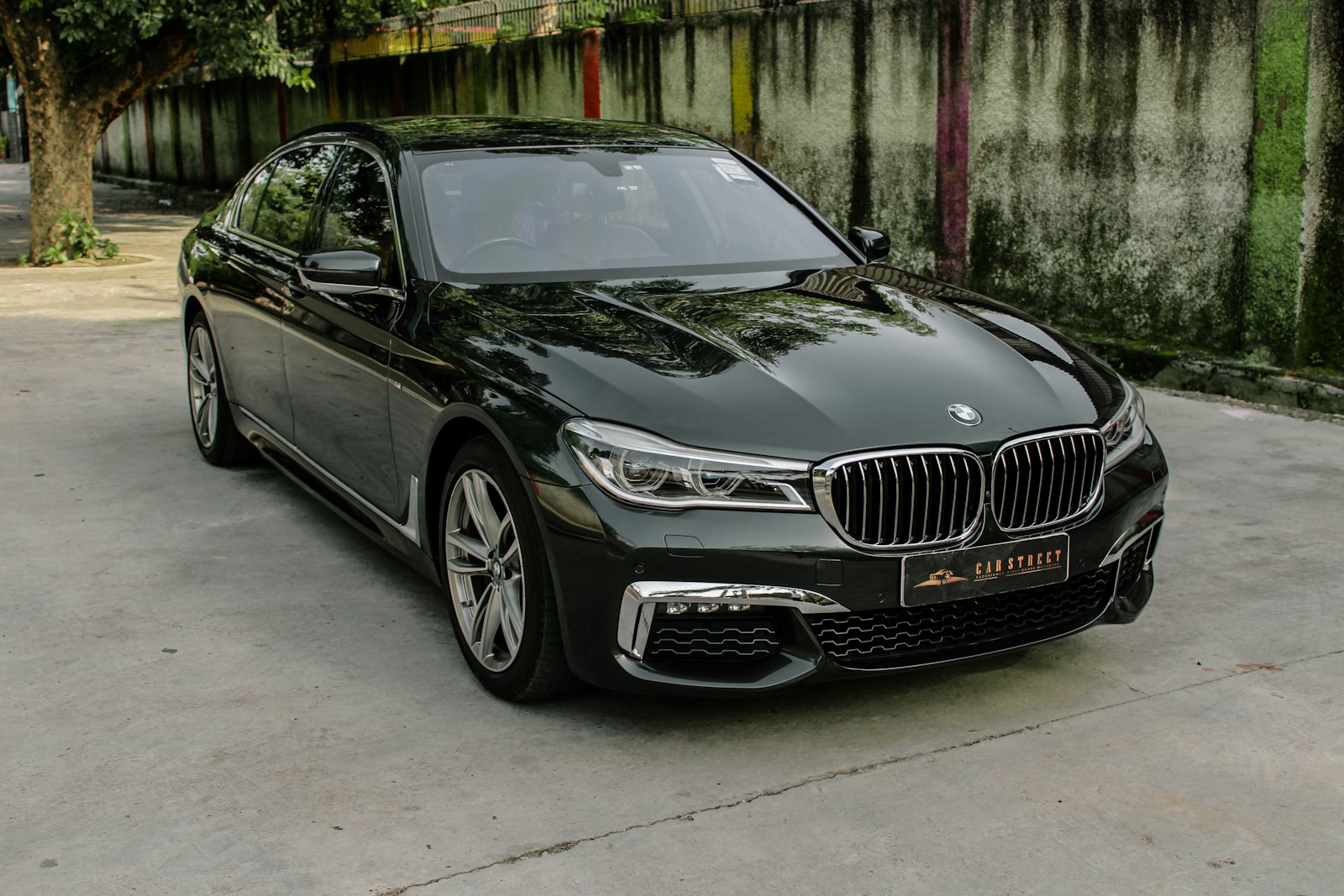
Few cars illustrate the trap better than the BMW 7 Series. The F01 generation (2009–2015) and the G11/G12 (2016–2022) packed adaptive air suspension, active steering, twin-turbo inline-six or V8 engines, and layers of electronic comfort features into a sedan that originally started above $80,000. By March 2026, clean examples of the F01 750i regularly list between $10,000 and $18,000 on platforms like Autotrader and Cars.com.
The depreciation is well documented. HotCars noted that the 7 Series is among the hardest-hit BMW models on the resale market, precisely because prospective second owners fear the upkeep. That fear is justified: replacing the air suspension alone can run $2,000 to $4,000 at an independent shop, and a valve-stem seal job on the N63 twin-turbo V8, a known weak point, often exceeds $5,000 in labor-intensive repairs.
Over a full decade, BMW as a brand averages roughly $11,000 in cumulative maintenance and repair costs, according to MoneyTalksNews, citing YourMechanic data. The 7 Series, with its additional complexity, tends to land well above that brand average. Owners on forums like Bimmerfest routinely report annual maintenance budgets of $2,000 to $4,000 just to stay ahead of age-related issues on higher-mileage examples.
The final V12-powered 7 Series, the 2022 M760i, produced 536 horsepower from a 6.6-liter twin-turbo engine, as Autoblog reported in its coverage of the twelve-cylinder sendoff. That kind of powertrain is thrilling to drive and terrifying to repair outside of warranty.
2. Maserati GranTurismo: The $20,000 Italian Exotic That Costs Like a $120,000 One
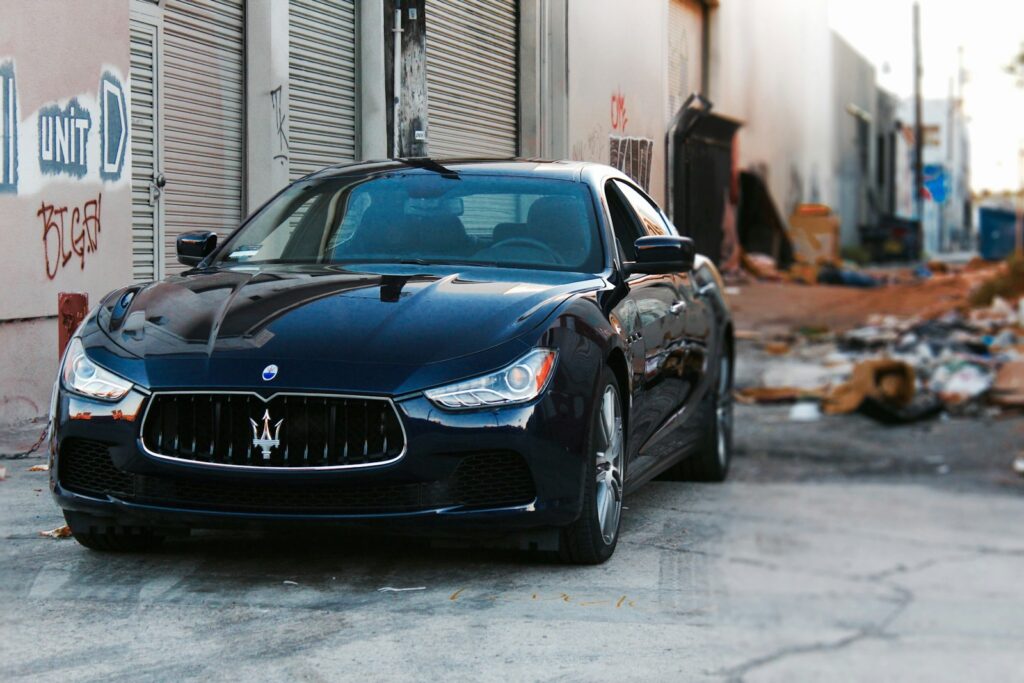
The first-generation Maserati GranTurismo (2007–2019) is one of the most seductive used cars on the market. A naturally aspirated 4.2- or 4.7-liter Ferrari-derived V8, a shape penned by Pininfarina, and a cabin trimmed in leather and Alcantara, all for roughly $20,000 to $30,000 in early 2026. Enthusiast outlets like Ideal Media have called it the “ultimate bargain Italian exotic,” then immediately cautioned that reality hits once the first major service bill arrives.
That reality looks like this: a clutch replacement on the automated-manual (Cambiocorsa) transmission can cost $4,000 to $7,000 depending on the shop. The F136 V8 shares architecture with Ferrari’s engines, which means parts are priced accordingly. Variator actuators, a common failure point, run $1,500 to $2,500 per unit, and the car has four of them. Even routine brake jobs are expensive because the GranTurismo uses large, performance-spec rotors and calipers.
The broader Maserati ownership picture is not reassuring either. RepairPal gives Maserati a reliability rating of 1.0 out of 5.0 (as of its most recent ranking cycle), with an average annual repair cost significantly above the industry mean. Buyers who stretch their budget to afford the purchase price often have nothing left for the maintenance the car demands within the first year.
3. Older Ferrari Models: When the Service Bill Rivals a Mortgage Payment
No brand carries a stronger mystique, or steeper service costs, than Ferrari. While newer models like the Roma or 296 GTB remain deep into six-figure territory, older cars like the 360 Modena (1999–2005) and F430 (2004–2009) have drifted into the $60,000 to $90,000 range, a price that overlaps with a well-equipped BMW M5 or Mercedes-AMG GT. The difference is what happens after the purchase.
Ferrari’s maintenance demands are not optional. The brand’s recommended service intervals involve detailed inspections, and skipping them can crater resale value and mask dangerous mechanical issues. Specialists like Buckhead Imports in Atlanta describe Ferrari service as requiring precise expertise for critical and heavy-duty labor, including engine-out services that are standard procedure on certain models.
The numbers speak plainly. As CarBrain notes, Ferrari maintenance costs run significantly higher than other vehicles due to the high-performance engineering and the need for specialized parts and expertise. A major service on a 360 or F430, which includes cam belt and tensioner replacement, typically costs $4,000 to $8,000 at an independent specialist and considerably more at a Ferrari dealer. Clutch replacements on the F1 automated-manual gearbox can exceed $10,000.
At the extreme end, component failures on hybrid Ferraris illustrate the ceiling. The LaFerrari’s hybrid battery pack has been cited among the most expensive single-component repairs in the automotive world, with replacement costs that can exceed the price of a new mainstream car. Even on older, simpler models, a surprise engine repair can easily reach $15,000 to $25,000.
4. Land Rover and Range Rover: Prestige SUVs with Punishing Upkeep
Used Range Rovers occupy a unique space in the market. A five-year-old Range Rover Sport or full-size Range Rover often sells for 40% to 50% of its original MSRP, putting it in the same price bracket as a new Toyota Highlander. The ownership costs, however, belong to a different universe.
Land Rover consistently ranks as the most expensive mainstream brand to maintain. The Manual reported, drawing on CarEdge data, that Land Rover carries an average 10-year maintenance cost of approximately $19,250, with bills potentially reaching $15,000 within just the first five years. A USA Today breakdown of ownership costs placed Land Rover among the five most expensive brands to maintain, with one quoted expert warning buyers not to assume they can service a Range Rover on a Ford budget.
The trouble spots are well known to mechanics: air suspension compressors and airbags fail regularly on models older than five years ($1,500 to $3,000 per corner). Supercharged 5.0-liter V8s develop coolant crossover leaks that require significant disassembly. Electrical gremlins in the infotainment and terrain-response systems are common and time-consuming to diagnose. Transfer case and differential issues add to the list on higher-mileage examples.
None of this means a used Range Rover cannot be enjoyed, but it does mean the purchase price is only the entry fee. Budgeting $3,000 to $5,000 per year for maintenance and unexpected repairs is realistic for models outside of warranty.
How Buyers Can Avoid These Money Pits
The goal is not to scare buyers away from used luxury cars entirely. It is to close the information gap between what a car costs to buy and what it costs to own. A few steps make a significant difference:
- Get a pre-purchase inspection (PPI) from a marque specialist. A $200 to $500 inspection can uncover thousands of dollars in looming repairs. For Ferrari and Maserati, this is non-negotiable.
- Price out the three most common repairs before you buy. Search model-specific forums (Bimmerfest, MaseratiLife, FerrariChat, LandRoverForums) for real-world invoices. If the top three repairs total more than 30% of the car’s purchase price, reconsider.
- Budget for maintenance separately. Set aside $2,000 to $5,000 per year in a dedicated account, depending on the brand. If that figure makes the car unaffordable, it is unaffordable.
- Find a trusted independent specialist. Dealer labor rates for these brands often run $180 to $300 per hour. A qualified independent shop may charge $120 to $180, saving thousands over time without sacrificing quality.
- Consider an extended warranty carefully. Third-party warranties from providers like Endurance or CARCHEX can offset catastrophic repairs, but read the exclusions closely. Coverage that omits air suspension, turbos, or electronics on these specific models is nearly useless.
- Check long-term cost data before shopping. Free tools from CarEdge and RepairPal let you compare estimated ownership costs by brand and model before you ever visit a lot.
A used luxury car can still be a rewarding purchase, but only when the buyer walks in with a realistic picture of total cost. The sticker price on the windshield is the smallest number in the equation. The repair orders that follow tell the real story.
More from Wilder Media Group: