
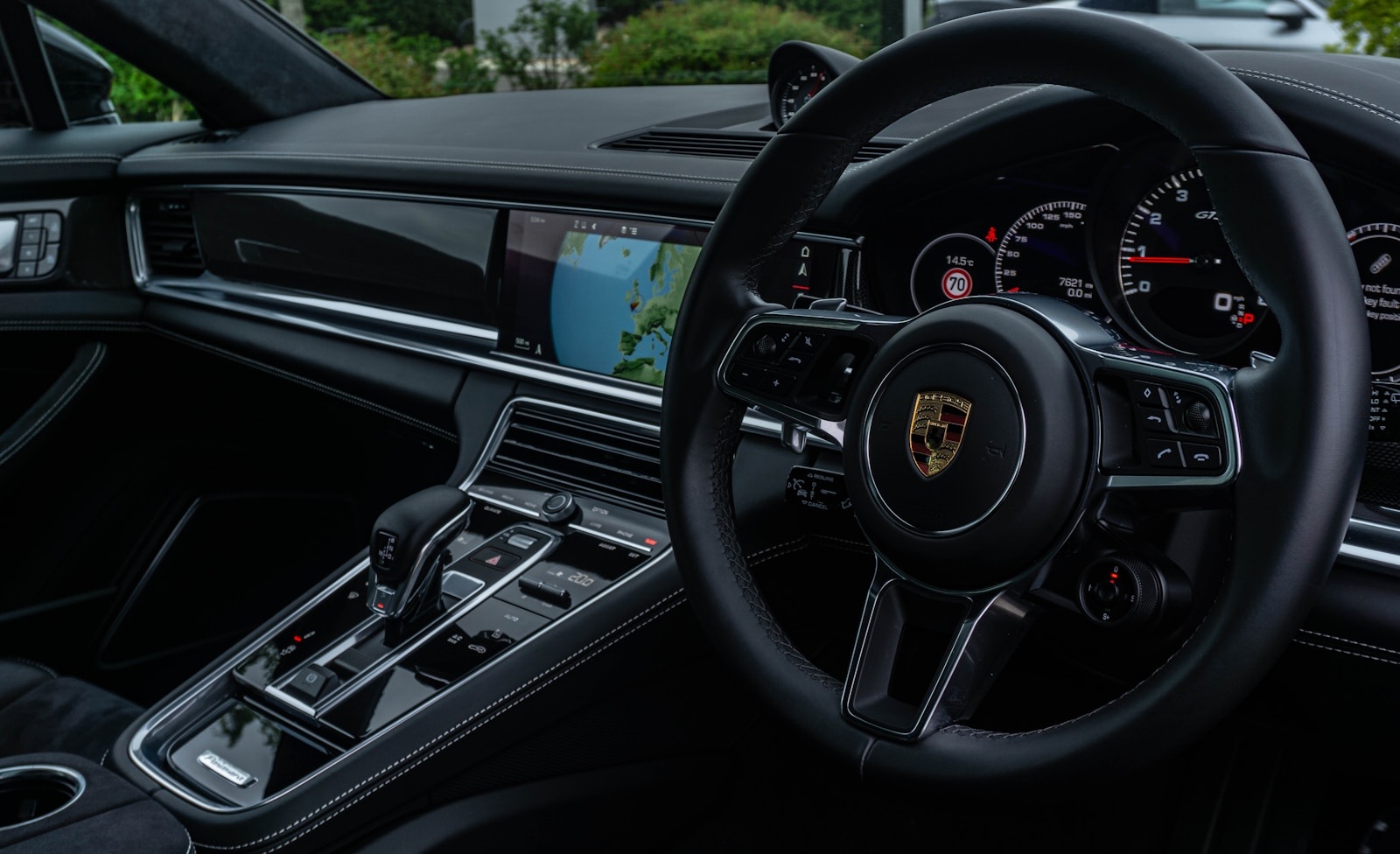

A gorgeous car can become an expensive relationship. Owners of some of the most visually striking vehicles on the road routinely praise the design, then wince at the repair invoices. According to a Consumer Reports survey published in late 2025, the gap between the cheapest and most expensive brands to maintain over 10 years now exceeds $14,000, and the priciest offenders are often the ones that photograph best.
For shoppers weighing style against long-term cost, here are five models (and model families) where that tension is sharpest, along with practical ways to manage the bills.
Why attractive cars tend to cost more to maintain
Vehicles designed to impress usually pack complex hardware: adaptive air suspensions, turbocharged or supercharged engines, layered electronic driver-assistance systems, and cabin materials that demand specialized care. Each of those features adds potential failure points. A SoFi analysis of ownership data estimates the average 10-year maintenance bill for a luxury vehicle at roughly $13,000, about double what owners of mainstream sedans and crossovers typically pay.
Brand-level figures from a USA Today report drawing on Consumer Reports data sharpen the picture: Land Rover tops the list at $19,460 over 10 years, Porsche follows at $17,900, Mercedes-Benz lands at $12,630, and Audi at $11,350. Those averages span entire lineups, so individual models with more complex drivetrains can run even higher.
1. Land Rover Range Rover and Discovery
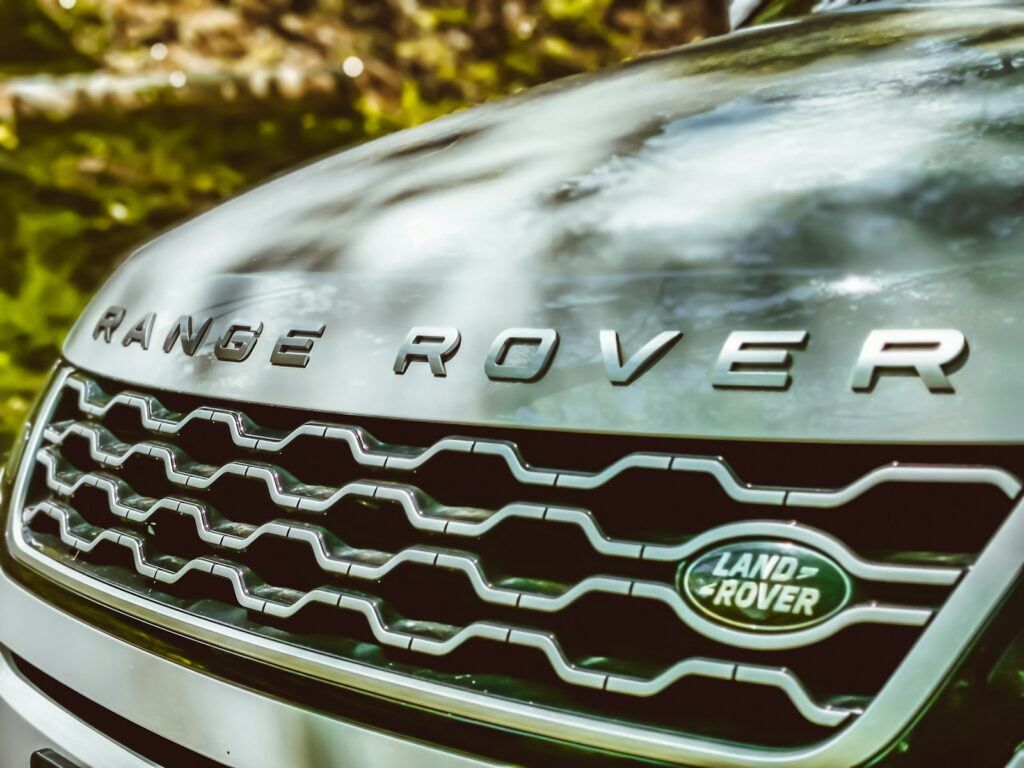
The Range Rover’s silhouette is one of the most recognizable in the automotive world, and the Discovery’s upright, clean-surfaced design carries a similar appeal. Both vehicles project quiet authority. Both also sit at the very top of long-term cost charts.
Consumer Reports data, as reported by Quartz, shows Land Rover owners spending about $5,560 in the first five years of ownership, then watching costs nearly triple to $13,900 in years six through 10, for a combined 10-year total of $19,460. The culprits are well documented: air suspension compressors and bladders that degrade, electrical gremlins across the infotainment and body-control systems, and transfer-case or differential issues tied to the full-time four-wheel-drive architecture.
None of that stops the Range Rover from selling briskly. But buyers shopping for a used example, especially one past its factory warranty, should budget for repair costs that can rival a monthly car payment.
2. Porsche Cayenne
The Cayenne blends sports-car reflexes with SUV practicality, and its sculpted bodywork makes it one of the best-looking vehicles in any school pickup line. Mechanically, though, it carries the complexity of a performance car and the weight of a two-ton SUV, a combination that accelerates wear on brakes, tires, and suspension components.
Porsche’s brand-wide 10-year maintenance average of $17,900, per Consumer Reports via USA Today, is second only to Land Rover. Mechanics familiar with the Cayenne have noted on Yahoo Autos that the SUV’s performance-grade parts carry performance-grade price tags: a brake job that might cost $400 on a Toyota Highlander can run well past $1,000 on a Cayenne, and coolant-pipe failures on older V8 models are notorious for triggering four-figure repair bills.
Buyers drawn to the Cayenne’s driving dynamics should factor in those costs before signing. A certified pre-owned example with Porsche’s extended warranty can soften the blow, but only for a limited window.
3. BMW 5 Series (especially pre-2020 models)
The 5 Series has been the default executive sedan for decades, and older examples still look sharp enough to tempt used-car shoppers with their relatively low sticker prices. That apparent bargain can evaporate quickly. A 247 Wall St. analysis using CarEdge data flags the 5 Series for poor long-term cost performance, grouping it with other BMW and Mercedes-Benz models that score low on ownership-cost rankings.
Common pain points on pre-2020 5 Series models include oil leaks from valve-cover and oil-filter-housing gaskets, failing water pumps (often electric units that give little warning), and aging adaptive suspension components. Electronics also age poorly: iDrive screens, parking sensors, and comfort-access modules can all require expensive replacement once a car passes 80,000 miles.
A well-maintained 5 Series remains a genuinely rewarding car to drive. The key is a thorough pre-purchase inspection by a BMW specialist and a realistic maintenance reserve of at least $1,500 to $2,000 per year for an out-of-warranty example.
4. Mercedes-Benz C-Class and CLS
Mercedes-Benz sedans carry a visual authority that few competitors match. The C-Class is one of the best-selling luxury sedans in the United States, and the CLS, a four-door coupe produced through the 2024 model year, added a dramatic roofline to the Mercedes formula. Both look the part. Both also sit inside a brand whose 10-year maintenance average of $12,630, according to Consumer Reports data, significantly exceeds the industry norm.
The CLS is a particular concern for used-car buyers. Auto experts surveyed by AOL have described it as an “upscale money pit,” citing its air suspension, turbocharged powertrains, and dense suite of electronic driver aids as frequent failure points. Even the more mainstream C-Class can surprise owners with costly repairs once the factory warranty expires: turbo-related oil leaks, failing air-conditioning compressors, and balky 9-speed automatic transmissions are common complaints in owner forums.
Shoppers who want the three-pointed star without the worst-case bills should consider newer model years, which benefit from improved electronics and longer powertrain warranties, or look at the brand’s certified pre-owned program, which extends coverage to six years from the original in-service date with no mileage limit.
5. Ford and GMC trucks and SUVs (higher trims)
Expensive maintenance is not exclusively a European problem. Full-size trucks and SUVs from Ford and GMC have grown dramatically in price, complexity, and feature content over the past decade. A loaded Ford F-150 or GMC Sierra Denali now stickers above $70,000 and packs turbocharged engines, 10-speed transmissions, adaptive ride control, and large touchscreen infotainment systems.
That complexity shows up in ownership costs. Insurance provider Wawanesa notes that some popular models carry 10-year maintenance costs between $15,000 and $25,000, figures that overlap with entry-level luxury brands. Higher-trim domestic trucks are especially vulnerable because their parts (adaptive dampers, multi-clutch transfer cases, panoramic roofs) cost more to replace than the simpler components on base work-truck variants.
Buyers who need a capable truck but want to control costs should compare trim levels carefully. A mid-range XLT or SLE with a proven naturally aspirated V8 will almost always cost less to maintain over a decade than a top-trim model loaded with technology.
How these costs compare with cheaper alternatives
The spread is significant. While Land Rover owners face nearly $20,000 in maintenance over a decade, brands like Toyota, Honda, and Mazda routinely land below $7,000 for the same period, according to a separate USA Today analysis of the least expensive brands to maintain. Even within the luxury segment, Lexus and Acura, which share platforms and powertrains with their mainstream parent companies, tend to cost thousands less than their German and British rivals.
That does not mean every affordable car is trouble-free or every luxury car is a disaster. But the data consistently shows that simpler engineering, widely available parts, and higher reliability ratings translate directly into lower long-term bills. Shoppers who love the look of a premium brand but worry about costs can sometimes split the difference by choosing a simpler powertrain (a four-cylinder over a V8, for instance) or a newer generation that benefits from updated electronics and longer warranty coverage.
How to protect yourself before and after purchase
Treat projected maintenance costs with the same seriousness as the purchase price. A car that saves you $5,000 on the sticker but costs $10,000 more to maintain over a decade is not actually a deal. Here are concrete steps:
- Check brand-level data before shopping. Consumer Reports, CarEdge, and insurer cost calculators all publish 10-year maintenance estimates by brand and model. Review them early in the process.
- Get a pre-purchase inspection. For any used luxury vehicle, pay $200 to $300 for an independent specialist to inspect it. That small expense can reveal thousands of dollars in looming repairs.
- Understand warranty coverage. Factory warranties, certified pre-owned extensions, and third-party plans vary widely. Know exactly what is covered and for how long before you commit.
- Budget a maintenance reserve. For high-cost brands, setting aside $150 to $200 per month in a dedicated account can prevent a single repair bill from becoming a financial crisis.
- Find an independent specialist. Dealer labor rates for luxury brands often exceed $200 per hour. Independent shops that specialize in a single marque frequently charge 20 to 40 percent less for the same work.
A car that looks fantastic and fits your budget on day one can still be a smart purchase, but only if you plan for what it will cost on day 1,000. The 10-year maintenance figures tell a story that the showroom never will, and reading that story before you sign is the single best way to keep a beautiful car from becoming a beautiful mistake.
More from Wilder Media Group: