

If you’re shopping for an electric vehicle in early 2026, the incentive landscape looks dramatically different from even a year ago. The federal EV tax credit that once knocked up to $7,500 off dozens of models has largely expired, a new car loan interest deduction has taken partial effect, and state rebates now carry more weight than ever. Knowing exactly which benefits still apply, and to which vehicles, can mean the difference between saving thousands and saving nothing.
Here is where things stand as of spring 2026, based on current federal law, IRS guidance, and active state programs.
The federal EV tax credit: mostly gone
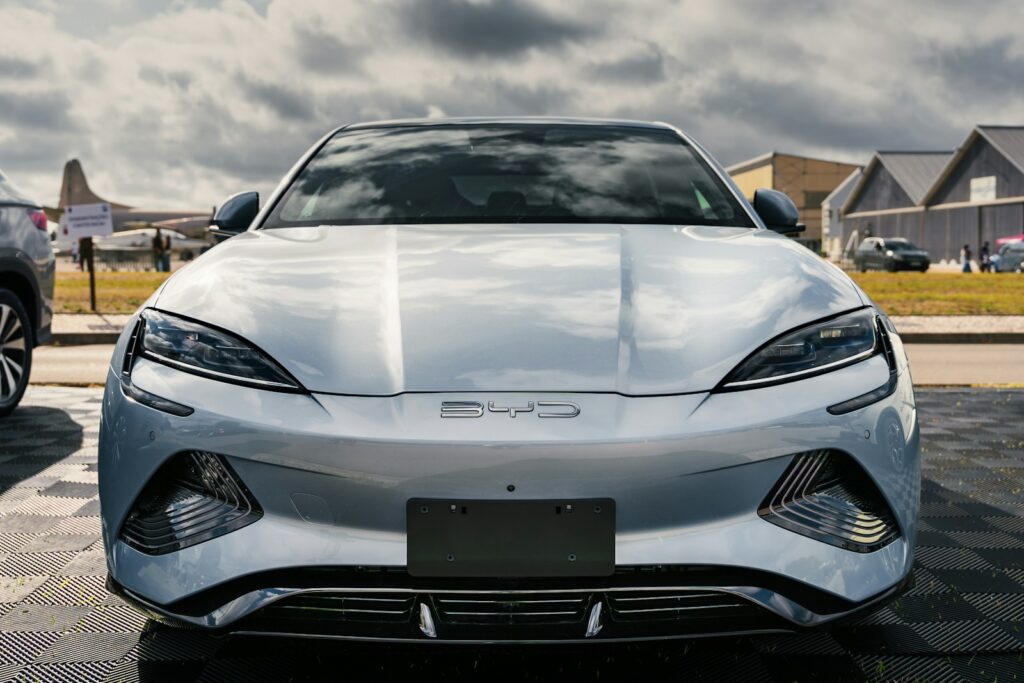
For more than a decade, the federal clean vehicle tax credit was the single biggest financial incentive for EV buyers. Under the Inflation Reduction Act of 2022, that credit offered up to $7,500 for new electric and plug-in hybrid vehicles that met domestic assembly and battery sourcing requirements.
That era is effectively over. The One Big Beautiful Bill Act, signed into law in 2025, accelerated the phaseout of IRA clean vehicle credits. New EVs placed in service after September 30, 2025, generally no longer qualify for the credit, and the full repeal took effect at the end of 2025. A tax advisory from HCVT confirms that the changes require final assembly in the United States and restrict the credit to brand-new, personally used vehicles, but the window for claiming it has now closed for most buyers.
That does not mean federal help has vanished entirely. The IRS still administers the Alternative Fuel Vehicle Refueling Property Tax Credit, which covers a portion of the cost of installing home or commercial charging equipment. This credit applies regardless of which EV you drive and can offset several hundred dollars of the cost of a Level 2 home charger. It is separate from any vehicle purchase incentive.
The new car loan interest deduction: what it covers
The OBBBA did introduce one new benefit that applies broadly to vehicle buyers, including EV shoppers: a deduction for interest paid on qualifying auto loans. This is not an EV-specific incentive. It covers cars, SUVs, minivans, pickup trucks, and motorcycles, but only if the vehicle is new, purchased in the United States, and used primarily for personal driving.
According to TurboTax’s summary of IRS guidance, the vehicle must be driven mostly for personal reasons to qualify. A clarification from HFM CPAs adds that the vehicle must have a gross vehicle weight rating below a specified threshold and be used at least 50 percent of the time for personal purposes. CNN’s reporting on the provision emphasizes that business fleets and commercial vehicles are excluded, even if they are electric.
For EV buyers financing a new Hyundai Ioniq 5, Kia EV9, or Chevrolet Equinox EV, this deduction can reduce taxable income by the amount of loan interest paid during the year. It won’t replace a $7,500 credit, but on a five-year loan at current rates, the annual tax savings could reach several hundred dollars depending on the loan amount and interest rate.
Which EVs benefit most under the current rules
With the federal purchase credit gone for most new vehicles, the question of “which EVs qualify” has shifted. The vehicles that benefit most in 2026 are those that can take advantage of the car loan interest deduction (any new, U.S.-purchased EV financed for personal use) and that are eligible for state or utility rebates.
Models assembled in the United States still carry an advantage in states that tie their own incentives to domestic production. A new Ford F-150 Lightning, Chevrolet Equinox EV, or Tesla Model Y built at a U.S. plant checks that box. Imported EVs can still qualify for the loan interest deduction and many state programs, but they miss out on any remaining provisions that require final assembly in the U.S.
Used EVs and vehicles purchased exclusively for business use are excluded from both the car loan interest deduction and the now-expired federal credit. As Coltura’s consumer guide points out, the disappearance of the federal credit should not be the sole factor in an EV purchase decision. Many electric models already cost less to own than equivalent gasoline vehicles once fuel and maintenance savings are factored in over the life of the car.
State and utility programs that still sweeten the deal
With federal incentives reduced, state and local programs now do more of the heavy lifting. Several remain substantial enough to shift the math on a new EV purchase.
In New York, the Drive Clean Rebate from NYSERDA offers up to $2,000 off the purchase or lease of a new EV, with more than 60 eligible models on the list. That roster spans mass-market options like the Nissan Ariya and Volkswagen ID.4 as well as premium models from BMW and Mercedes-Benz.
On the West Coast, utility-level rebates add another layer. Kelley Blue Book’s state-by-state breakdown highlights Silicon Valley Power (SVP), which offers up to $3,500 for qualifying residents who switch from a gasoline vehicle to a fully electric model. Utility rebates like this one often stack with state incentives, meaning a buyer in the right zip code could combine a state rebate, a utility rebate, and the federal loan interest deduction on a single purchase.
Colorado, New Jersey, Maryland, and several other states maintain their own EV rebate or tax credit programs with varying eligibility rules and funding levels. Because these programs change frequently and some are capped by annual budgets, buyers should check their state energy office or a resource like the Department of Energy’s Alternative Fuels Data Center before assuming a rebate will be available at the time of purchase.
How to navigate the 2026 incentive landscape
The rules are more fragmented than they were a year ago, but the process for maximizing savings is straightforward if you take it step by step.
1. Confirm the federal loan interest deduction applies to your situation. You need a new vehicle, purchased in the U.S., financed with a loan, and used at least 50 percent for personal driving. If you are paying cash or leasing, this deduction does not apply. File using IRS Form 8936 or follow updated IRS instructions for the deduction at tax time.
2. Check your state’s current EV incentive programs. Search the AFDC database or your state energy office website. Note income limits, vehicle price caps, and whether the rebate applies at purchase or as a tax credit filed later.
3. Ask your electric utility about rebates. Many utilities offer $500 to $3,500 for new EV purchases or home charger installations. These are often first-come, first-served and may require proof of purchase within a specific window.
4. Factor in the charging credit. If you plan to install a Level 2 home charger, the federal Alternative Fuel Vehicle Refueling Property Tax Credit can offset part of the hardware and installation cost. Check IRS eligibility requirements before purchasing equipment.
5. Run the total cost of ownership comparison. Even without a $7,500 federal credit, many EVs cost less over five years than comparable gasoline models when you account for lower fuel costs (roughly 3 to 5 cents per mile for electricity vs. 10 to 15 cents for gasoline, depending on local rates) and reduced maintenance expenses. A purchase that looks more expensive on the sticker may still be cheaper over the life of the loan.
| Incentive | Status (Spring 2026) | Applies To |
|---|---|---|
| Federal $7,500 clean vehicle credit (IRA) | Expired for most new EVs | New EVs placed in service before Oct. 1, 2025 |
| Car loan interest deduction (OBBBA) | Active | New vehicles, financed, 50%+ personal use |
| Charging equipment tax credit | Active | Home or commercial charger installation |
| State rebates (e.g., NY Drive Clean) | Varies by state | New EVs meeting state-specific criteria |
| Utility rebates (e.g., Silicon Valley Power) | Varies by utility | New EVs, often requires switching from gas vehicle |
The federal government is no longer the primary driver of EV affordability for most buyers. But between the new loan interest deduction, state rebates, utility programs, and the simple economics of driving electric, the financial case for an EV in 2026 still holds up. It just requires more homework than it used to.
More from Wilder Media Group: