

In early 2026, the fastest-growing corner of the electric vehicle market is not a flashy new sedan or a six-figure SUV. It is the used lot. According to Cox Automotive’s EV Market Monitor, used EV sales jumped roughly 45 percent year over year in January 2026, even as new EV sales slipped to about 66,276 units, down from the prior January. For a growing number of American drivers, a three-year-old electric hatchback or crossover has become the least risky way to find out whether battery power fits their life.
New Sales Stall, Used Sales Surge
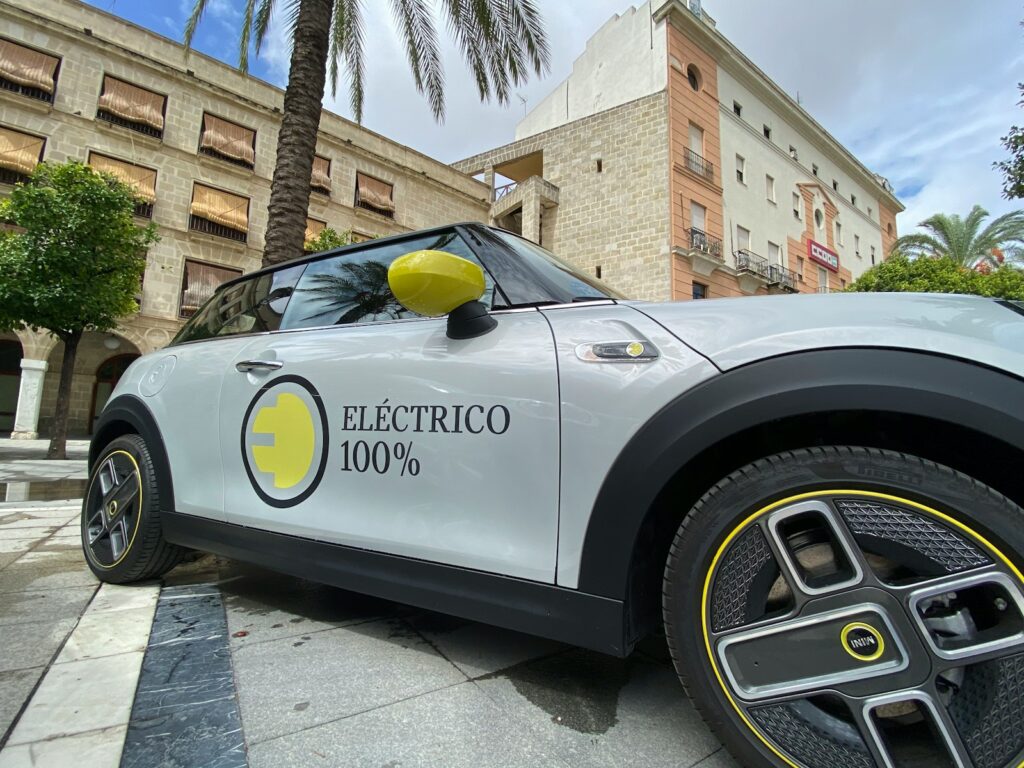
The gap between new and used EV momentum is hard to miss. Cox Automotive’s January 2026 data shows new EV registrations declining as the pool of early adopters who will pay a premium for the latest model shrinks. Meanwhile, the firm tracked nearly 41,000 used EV sales that same month, a volume that would have been unthinkable two years ago.
The reasons are straightforward. New EV prices remain high, public charging networks are still uneven in parts of the country, and some buyers who leased during the 2022-2023 incentive wave are now returning those vehicles. The result: a secondhand market that is growing far faster than the new side of the business.
That shift has consequences for automakers. Brands like Chevrolet, Hyundai and Genesis, which posted strong combined new and used EV numbers in early 2025, now have to think as carefully about residual values and lease-return strategies as they do about new-model launches.
Prices Have Dropped Into Familiar Territory
Price is doing most of the persuading. Cox Automotive pegged the average used EV listing price in January 2026 at $35,442, a 5.1 percent drop from a year earlier. That decline has pulled popular models like the Chevrolet Bolt EUV, Hyundai Kona Electric and older Nissan Leafs into the same monthly-payment range as comparable gasoline compacts, especially once buyers account for lower fuel and maintenance costs.
Below that average, the selection is even more compelling. Multiple listing analyses show a sharp increase in used EVs priced under $25,000, a threshold that opens the market to buyers who had dismissed electric cars as out of reach. As WION reported, used EVs under $25,000 are now “one of the hottest segments in the car market.”
There is also a federal tailwind many shoppers overlook. The Section 25E clean vehicle tax credit offers up to $4,000 on qualifying used EVs purchased from a dealer, provided the buyer’s adjusted gross income falls below set limits and the vehicle is priced at $25,000 or less. For a budget-conscious buyer eyeing a 2022 Bolt or a base-trim Kona Electric, that credit can shave months off the payback period.
Researchers at Recurrent Auto, which tracks battery health and pricing across thousands of used EVs, describe a market that has largely stabilized after the wild depreciation swings of 2023 and 2024. For dealers, that stability makes stocking used EVs a safer bet than it was even 18 months ago.
A Flood of Lease Returns Is Filling the Lots
The supply side of this story traces back to a leasing boom that began around 2022, when manufacturers and the federal government structured incentives to favor leases over purchases. Those two- and three-year terms are now expiring in waves, sending low-mileage vehicles into the secondhand pipeline.
A S&P Global Mobility forecast projected that used EV supply would grow by 230 percent through 2026. By March 2026, that projection appears to be materializing: dealers and auction houses report rising volumes of off-lease crossovers and compact sedans, many with fewer than 36,000 miles on the odometer.
As Yahoo Autos noted, the used EV surge is a direct consequence of those lease returns, which are creating “the most budget-friendly used EV market yet.” The models arriving in volume are not niche experiments. They are mainstream nameplates from Chevrolet, Hyundai, Kia and Tesla, vehicles that buyers already recognize and that dealers already know how to service.
Tesla Dominates, but the Field Is Widening
Tesla still commands the used EV market by sheer volume. An iSeeCars analysis published in early 2026 found that Tesla led all brands with 12,416 used units sold in the study period, and the Model 3 was the single best-selling used EV. Cox Automotive’s December 2025 EV Market Monitor told a similar story: four of the top five used EV models were Teslas, with the Ford Mustang Mach-E as the lone exception.
But the competitive picture is shifting. As lease returns from Chevrolet, Hyundai and Kia pile up, Tesla’s share of used EV sales will likely face pressure. For buyers, that is good news: more selection, more price competition and less dependence on a single brand’s Supercharger network now that CCS fast chargers are spreading along major corridors.
Battery Fears Are Fading
The biggest psychological barrier to buying a used EV has always been the battery. Will it hold its charge? What does a replacement cost? Recent data is quieting those worries.
As Bloomberg reported in February 2026, EV batteries are proving more durable than many early skeptics expected. Most packs retain a high percentage of original capacity well past 100,000 miles, and federal regulations require automakers to warrant EV batteries for at least eight years or 100,000 miles. That means a buyer picking up a four-year-old crossover with 50,000 miles can typically count on several years of remaining warranty coverage, a safety net that did not exist in the early days of the used EV market.
Recurrent Auto’s battery health reports, which are increasingly bundled into used EV listings, give shoppers model-specific degradation data before they ever visit a dealership. That transparency is a meaningful change from even two years ago, when buying a used EV felt like guessing.
Dealers Are Adapting, Some Faster Than Others
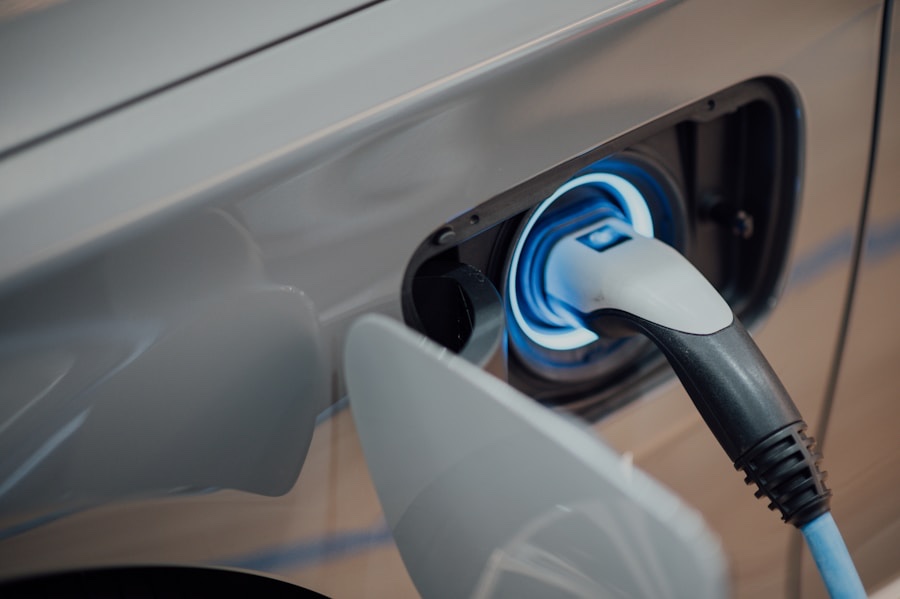
The used EV wave is forcing dealerships to retool. Franchise stores and independent lots that avoided electric inventory a year ago are now stocking it as a core category, training sales staff on range expectations, charging basics and how to read a battery health report.
Cox Automotive’s EV Market Monitor gives dealers granular data on which trims and model years move fastest, helping them structure trade-in offers and avoid sitting on slow-selling variants. Industry voices like the Car Dealership Guy newsletter have been vocal about the opportunity, arguing that used EVs have reached a pricing and supply sweet spot that makes them a reliable profit center rather than a gamble.
Still, not every dealer is ready. Stores without Level 2 chargers on the lot, or staff who cannot answer basic questions about home charging costs, risk losing informed buyers to competitors who can. The gap between EV-literate dealers and the rest is widening quickly.
What This Means for the Next Wave of EV Drivers
The used market is quietly rewriting the adoption playbook. Instead of a single leap from a gasoline car to an expensive new EV, many drivers are taking a two-step path: an affordable used electric first, then a new model later if the experience fits. The secondhand market, in other words, is functioning as a low-stakes trial run for mass electrification.
That pattern matters for policy, too. If the federal used EV tax credit survives upcoming budget negotiations, it will continue to pull price-sensitive buyers into the electric fold at the moment when supply is peaking. If it does not, the market will still grow, but the pace could slow for the buyers who need the most help making the switch.
For now, the numbers tell a clear story. Used EV prices are down, supply is up, batteries are lasting and buyers are responding. The most important chapter in America’s electric vehicle transition may not be written by a new model reveal on a stage. It may be written on a used car lot, by a buyer with a $22,000 budget and a short commute, plugging in for the first time.
More from Wilder Media Group: