
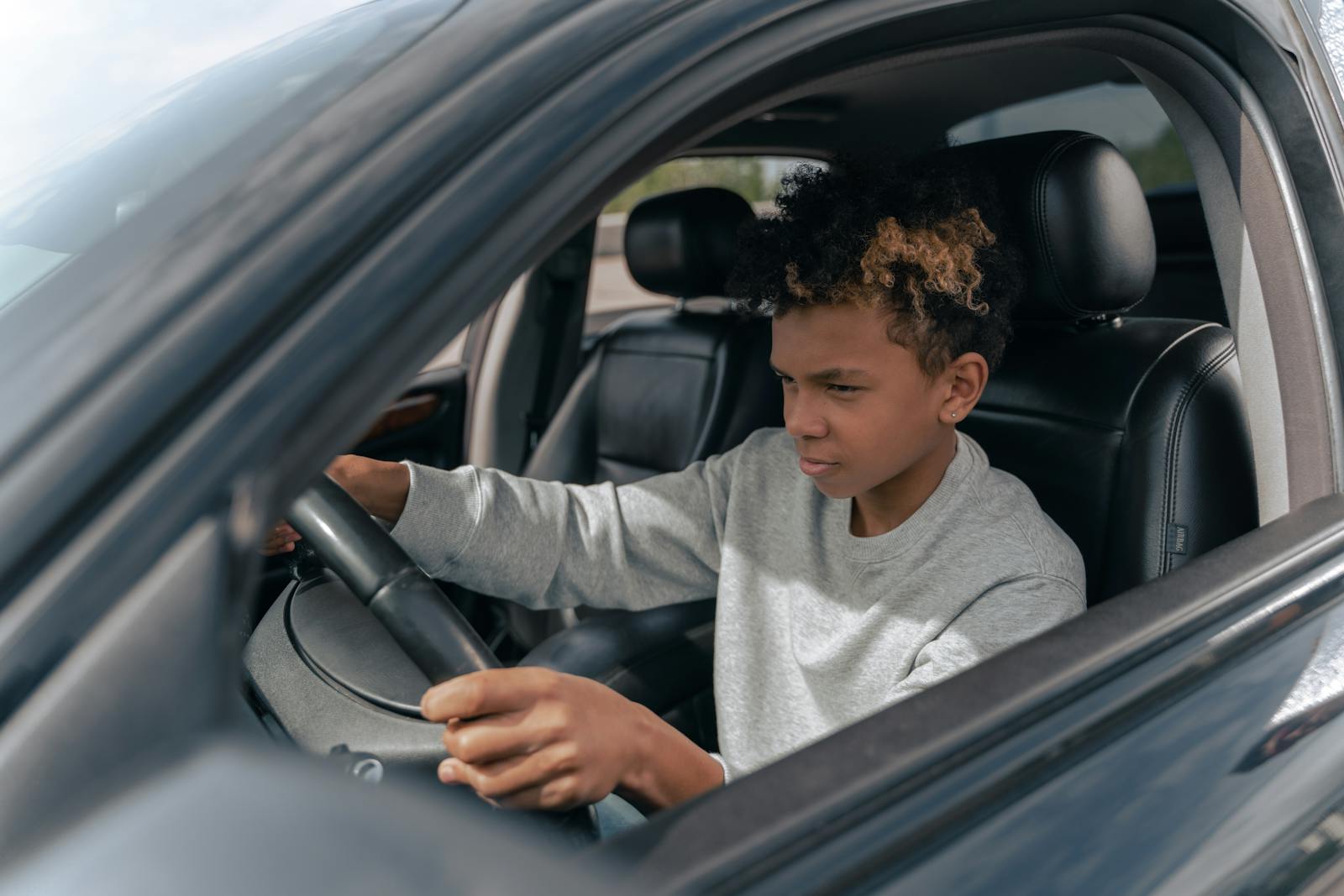

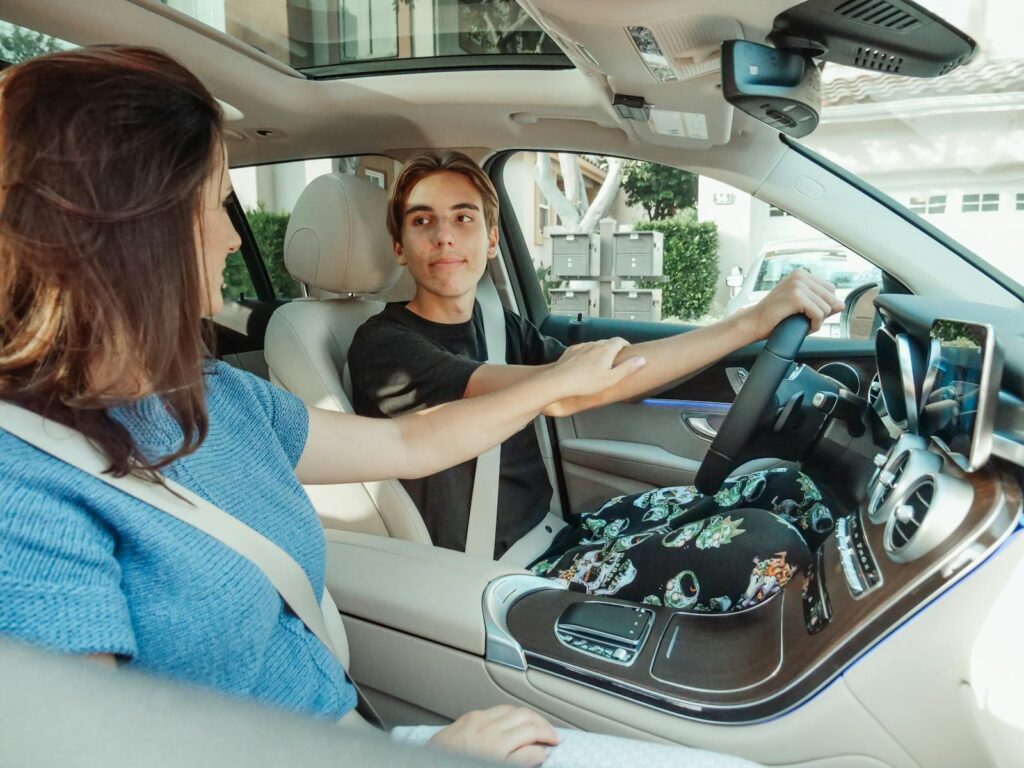
Why the DVSA is overhauling the system
Driving test waiting times have been a persistent frustration. In many urban centres, learners have faced waits of several months, a backlog worsened by commercial booking services and automated bots that snap up slots and resell them at a markup. The DVSA has been explicit about the problem: its official guidance on 2026 booking rule changes states the reforms target “exploitation of the booking system by third-party businesses and automated bots” that crowd out genuine learners. The changes are not cosmetic. They touch how tests are booked, how often bookings can be altered, who is allowed to manage them, and where candidates can sit the test. Taken together, they represent the most significant set of practical test reforms in years.The two-change cap on bookings
The headline rule: from 31 March 2026, a candidate can change their car driving test appointment a maximum of two times. After that, the booking is locked. The only option is to cancel outright, claim a refund (provided sufficient notice is given), and rejoin the queue. The DVSA’s official bulletin on the changes confirms this is a hard cap. This matters more than it might sound. Under the old system, learners (or services acting on their behalf) could shuffle bookings repeatedly, hunting for earlier dates or more convenient centres. That constant churn clogged the system and made availability unpredictable for everyone else. One important detail: if the DVSA itself cancels or reschedules a test (due to examiner illness or severe weather, for example), that does not count toward the learner’s two changes. The cap applies only to candidate-initiated alterations. For driving instructors, the practical impact is immediate. Locking in a test date now requires a proper conversation with the pupil about work schedules, college exams and holiday plans before clicking “confirm,” not after.Learners must manage their own bookings
The DVSA is also tightening who can interact with the booking system. The GOV.UK guidance makes clear that learners should book and manage their own tests, and that changes should be reserved “for genuine needs or emergencies.” Handing login credentials to a commercial service that constantly refreshes the portal for cancellations runs counter to the new rules and could trigger sanctions. This is a direct shot at the third-party booking market, where companies charge fees (sometimes £50 or more) to monitor the system and grab earlier slots on a learner’s behalf. The DVSA wants that demand routed back through its own portal, where each learner controls their own account.No more long-distance test centre swaps
Another target is so-called “test tourism.” In recent years, some learners have booked at rural centres with shorter queues, hundreds of miles from home, with no intention of actually travelling there. The plan was always to shuffle the booking back to a convenient local centre once a closer slot opened up. Under the 2026 rules, long-distance switches between test centres are being heavily restricted. The DVSA expects candidates to book at a centre they can realistically travel to and, broadly, stick with it. For learners in cities like London, Manchester or Birmingham, where waits have been longest, this may feel like a constraint. But the logic is that eliminating speculative bookings should free up slots that were previously held but never used.What is changing in the test itself
The reforms are not limited to administration. The DVSA has also been adjusting the practical test’s structure, building on trial changes that are now being made permanent. The national driving standard (the threshold for passing) has not changed, but how examiners assess it has. Key shifts, confirmed in DVSA updates, include:- More time on faster roads. Candidates should expect to spend a greater portion of the test on dual carriageways and higher-speed routes where local road networks allow. The aim is to reflect the reality that new drivers encounter 60 and 70 mph roads almost immediately after passing.
- Fewer repetitive manoeuvres. Examiners have more discretion to reduce repeated exercises (such as multiple pull-ups on the left) in favour of observing continuous, uninterrupted driving. The focus shifts toward how a candidate handles real traffic flow over the full test duration.
- Flexible route selection. Examiners have greater latitude to choose routes that test a wider range of conditions, rather than following rigid, predictable circuits.
Digital licences: what we know so far
Separately, the Driver and Vehicle Licensing Agency (DVLA) has signalled plans to introduce a digital driving licence, allowing drivers to carry a verified version of their licence on a smartphone. While the DVLA has confirmed the direction of travel, a firm nationwide launch date has not been publicly fixed as of early 2026. Learners should continue to carry their physical photocard licence to tests and treat any digital option as supplementary until official confirmation says otherwise.How learners should prepare
For anyone booking a test in 2026, the practical advice is straightforward:- Treat your booking as a commitment. With only two changes allowed, pick a date you are confident about. Check work rotas, term dates and family plans before confirming.
- Use the official DVSA booking portal. Book through GOV.UK and manage your account yourself. Avoid handing credentials to third-party services.
- Prepare for faster roads. Make sure your lesson plan includes dual carriageway driving where it is legal and safe. Endless loops of quiet residential streets will not prepare you for the modern test.
- Stay on top of DVSA communications. Rescheduled times and cancellations will come directly to you by email or text. Check regularly.
- Know the refund rules. If you need to cancel rather than change, the DVSA requires a minimum notice period for a refund. Check the current terms on GOV.UK before you act.