
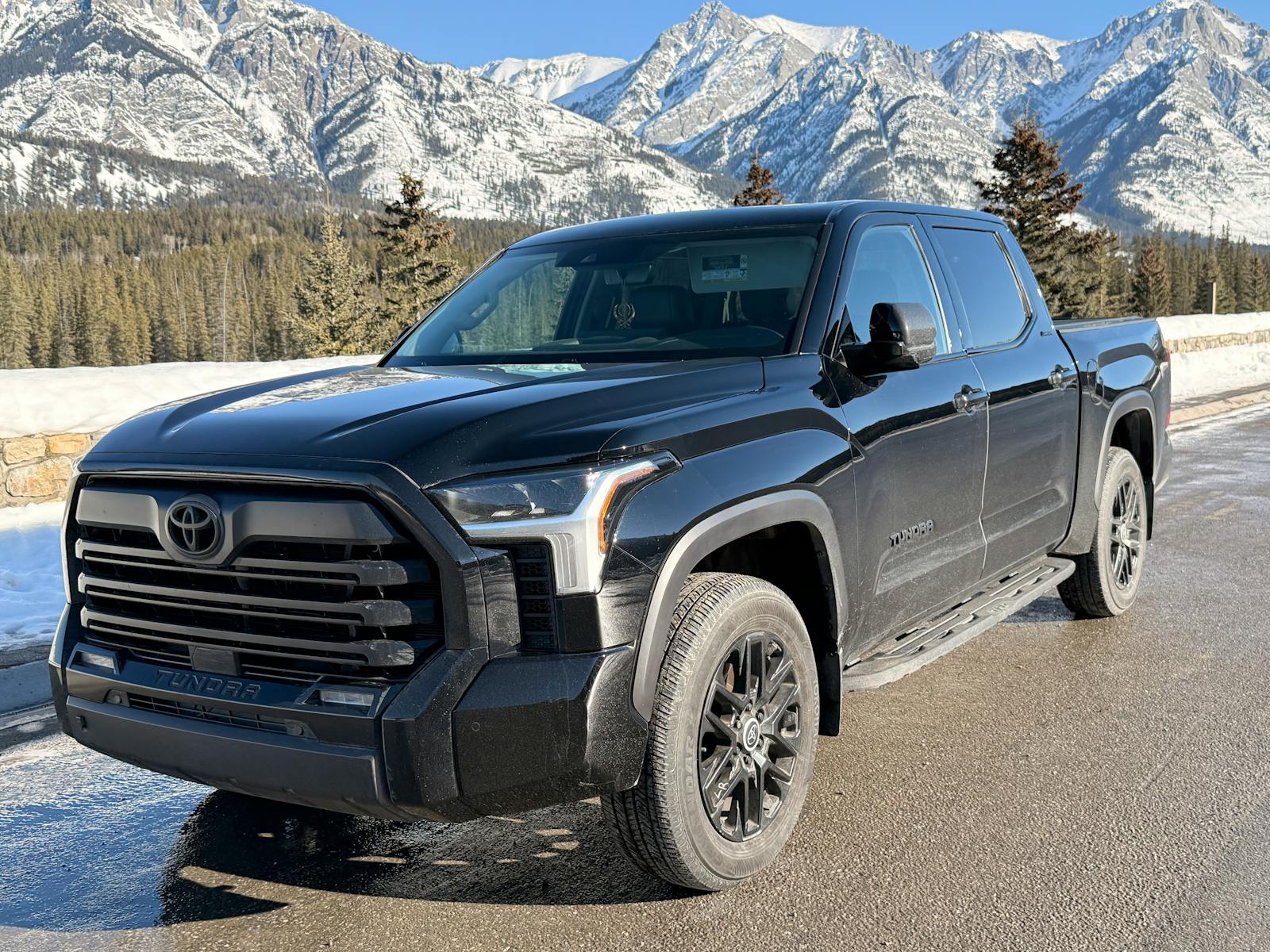

Toyota is recalling roughly 394,000 Tundra, Sequoia, and Tacoma trucks and SUVs in the United States because a software bug can cause the rearview camera display to go dark or freeze when the driver shifts into reverse. The defect strips away a safety feature that federal law has required on every new passenger vehicle since May 2018, and it does so without warning the driver that the image on screen is no longer live.
The recall covers 2022 through 2024 model-year vehicles equipped with Toyota’s current-generation multimedia system. According to documents filed with the National Highway Traffic Safety Administration (NHTSA), the camera hardware itself is not at fault. Instead, the software that routes the camera feed to the center display can crash under certain conditions, leaving the screen blank or stuck on a stale frame from a previous maneuver.
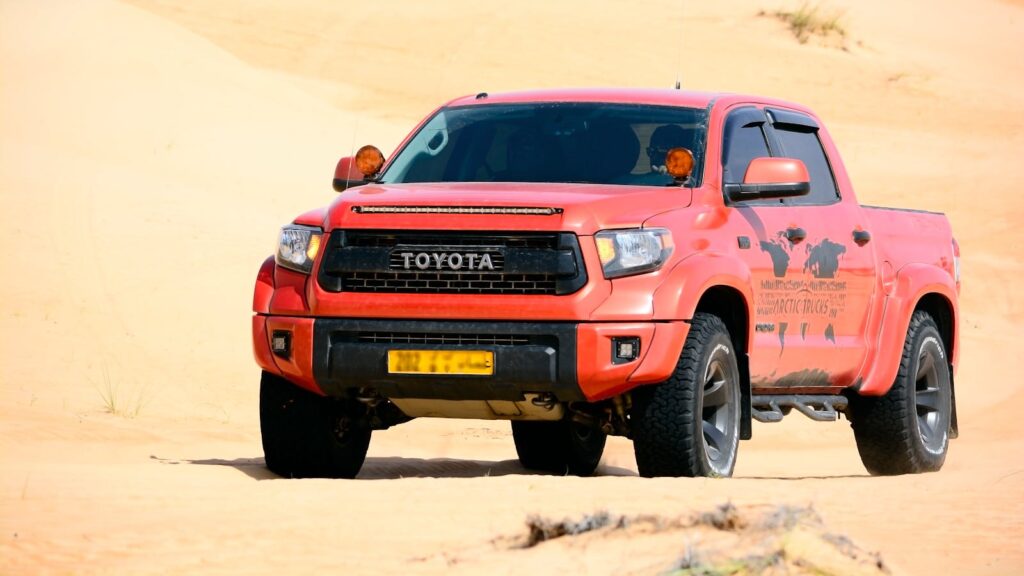
What the defect looks like behind the wheel
Owners have described a simple, dangerous sequence: they shift into reverse, glance at the center screen, and see either nothing or an image that does not match what is actually behind the vehicle. Because the system does not throw a warning light or error message, there is no reliable cue that the feed has failed. A driver backing out of a driveway or maneuvering through a crowded parking lot could easily trust a frozen frame and miss a pedestrian, a child, or another car sitting in the blind zone.
That blind zone is substantial on full-size trucks and SUVs. NHTSA has long noted that the rear blind area on a large pickup can extend more than 20 feet behind the bumper, which is why the agency made backup cameras mandatory under Federal Motor Vehicle Safety Standard No. 111. When the camera feed drops out, the vehicle effectively reverts to pre-2018 visibility, but the driver may not realize it.
Which vehicles are included
The recall campaign covers three nameplates that share related infotainment and camera software:
- Toyota Tundra (select 2022-2024 models)
- Toyota Sequoia (select 2023-2024 models)
- Toyota Tacoma (select 2024 models)
A separate but related recall addresses driveshaft concerns on some of the same vehicles, which is why some reports cite a combined figure closer to 400,000. The camera-specific campaign accounts for approximately 394,000 units, according to a breakdown of the NHTSA filings. Owners unsure whether their truck falls under one or both campaigns can check by VIN.
Crashes and complaints
Toyota’s recall filing states that the company is not aware of any crashes, injuries, or fatalities linked to the defect as of the date the campaign was filed. However, NHTSA treats any loss of rearview camera function as a serious safety risk regardless of crash history, because the potential for harm in a backing scenario is well documented. The agency’s own research has estimated that backover crashes cause hundreds of fatalities and thousands of injuries each year in the United States.
How Toyota will fix it
The remedy is a software update performed at a Toyota dealership, free of charge. The update patches the code that manages the camera-to-display handoff when the transmission is shifted into reverse. Toyota says the repair typically takes under an hour.
Owners will receive notification letters by mail with instructions for scheduling a service appointment. In the meantime, Toyota is directing owners to its online recall lookup tool, where they can enter a Vehicle Identification Number or license plate number to check whether their vehicle is affected. The same tool covers related campaigns involving Toyota and Lexus models with overlapping infotainment platforms.
Owners can also search the federal recall database at NHTSA.gov, which lists every open safety campaign by manufacturer, model, and year.
What owners should do right now
Until the software update is installed, Toyota and safety advocates recommend treating the backup camera as a supplement, not a substitute, for direct observation. That means checking mirrors, turning to look over your shoulder, and walking behind the vehicle before backing up in tight spaces. These habits matter most in the vehicles covered by this recall, where the rear blind zone is large enough to conceal a small child standing just a few feet behind the bumper.
If the camera screen goes blank or appears frozen, do not continue backing up. Stop the vehicle, shift out of reverse, and try again. If the problem persists, contact your dealer to schedule the recall repair.
A pattern of software-driven recalls
The rearview camera campaign is part of a broader trend across the auto industry. As vehicles have shifted from mechanical systems to software-controlled platforms, the nature of recalls has changed with them. Code errors now trigger safety campaigns as frequently as faulty brake lines or defective airbag inflators once did.
Toyota alone has issued multiple software-related recalls in recent years, covering everything from electronic stability control glitches to infotainment malfunctions. The pattern is not unique to Toyota. General Motors, Ford, Stellantis, and Tesla have all faced similar campaigns as the volume of onboard software has grown into hundreds of millions of lines of code per vehicle.
For consumers, the practical takeaway is straightforward: register your vehicle with NHTSA’s free recall alert service so you are notified automatically when a new campaign is announced. Recalls are free to the owner by law, and ignoring them can leave a known safety defect unrepaired indefinitely.
More from Wilder Media Group: