
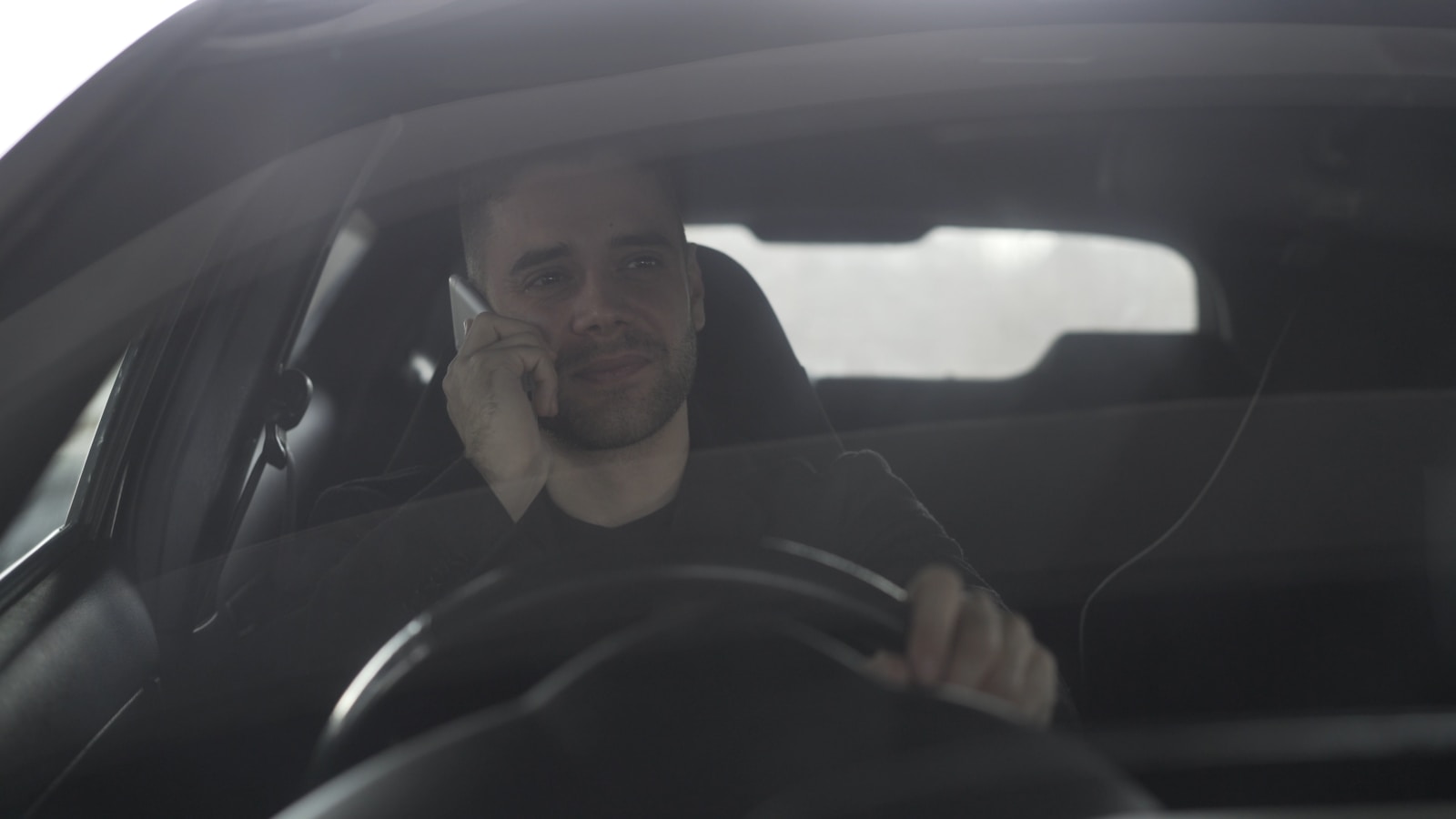

In 2022, 3,308 people died in distracted-driving crashes on U.S. roads, according to the National Highway Traffic Safety Administration. That figure, which the agency acknowledges is likely undercounted because distraction is hard to prove after a fatal crash, has hovered near that level for years. Now, heading into spring 2026, state legislatures are responding with a enforcement strategy borrowed from the playbook that reshaped drunk-driving law a generation ago: steeper fines, automated detection, and penalties that follow drivers onto their insurance records.
The shift is not theoretical. Drivers in more than 30 states now face hands-free mandates, and several of the newest laws eliminate the warning period that once gave first-time offenders a pass. For millions of commuters, the era of “I’ll just check this one text” is colliding with a legal framework designed to make that impulse genuinely costly.
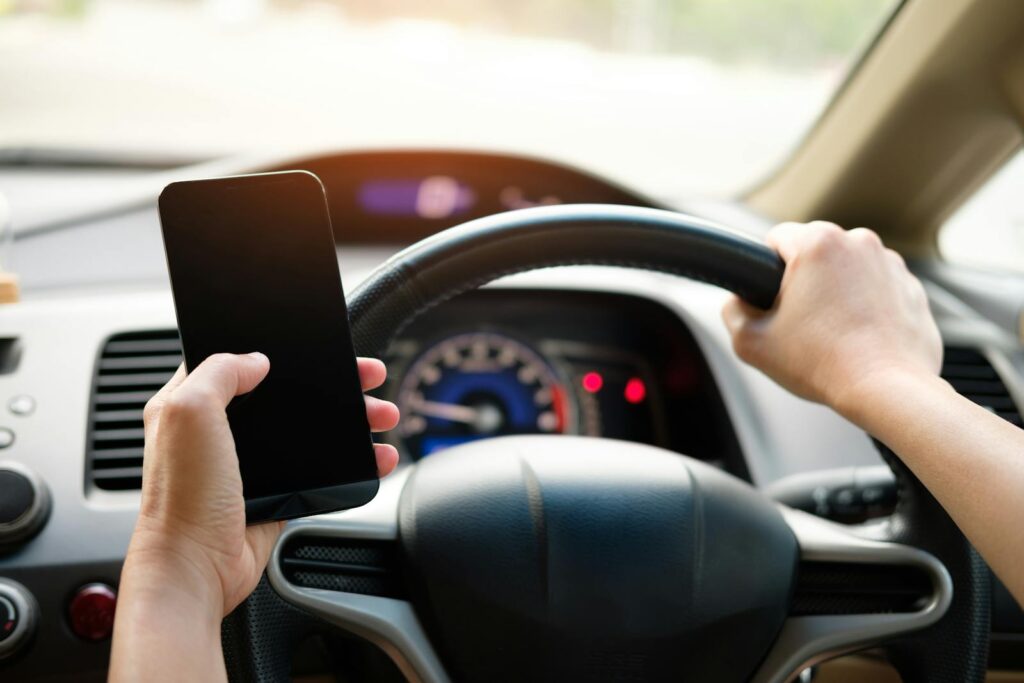
Why distraction keeps outpacing other bad habits
Speeding, tailgating, and aggressive lane changes all contribute to serious wrecks, but distraction occupies a unique category because it strips away the one thing every other skill depends on: attention. NHTSA data shows that sending or reading a single text at 55 mph means traveling the length of a football field with your eyes closed. Pair that with speed, and the math turns lethal fast.
Crash-litigation attorneys see the combination constantly. An analysis of Illinois collision data by Marker Law found that distracted driving and speeding appear together so frequently in serious-injury cases that adjusters now treat the pairing as a default assumption when phone records are subpoenaed. A separate breakdown by DE Law lists distraction, speeding, aggression, and recklessness as the four habits most likely to converge during high-stress commutes on congested routes.
Fatigue makes the problem worse. Drowsy drivers already have slower reaction times; add a buzzing phone, and the margin for recovery shrinks to almost nothing. The NHTSA’s drowsy-driving page notes that fatigue-related crashes peak during late-night and early-morning hours, the same windows when drivers are most likely to rely on their phones for navigation or entertainment to stay alert.
How the new laws work
The legislative wave that accelerated through 2024 and 2025 is now fully in effect. A national overview published by InsideNoVa details how grace periods for phone-related violations have expired in multiple jurisdictions, replaced by immediate fines and points. Automated camera systems, already common for red-light and speed enforcement, are being adapted to flag drivers holding devices, particularly in school zones and construction corridors.
Western states are layering distracted-driving crackdowns on top of tightened impaired-driving statutes. Insurance News Net reports that Arizona and Nevada have paired stricter hands-free mandates with lower BAC thresholds and expanded use of roadside testing, a dual-track approach that treats a texting driver and a buzzed driver as comparable threats. For someone caught doing both, the penalties can stack.
The pattern extends north of the border. Canadian provinces are rolling out tougher distracted-driving penalties that include higher base fines and faster license-suspension triggers for repeat offenders, part of a broader push that also reinforces seatbelt compliance and impaired-driving checkpoints.
New tech is creating new distractions
Ironically, vehicles are getting safer in their engineering and more distracting in their interfaces at the same time. Touchscreen infotainment systems that require multiple taps to adjust climate control, plus streaming-capable dashboards and heads-up navigation overlays, all compete for the same visual attention that the road demands.
Outside the cabin, aftermarket accessories are adding clutter. A photo shared widely on social media in early 2025 showed a vehicle with a large animated LED display filling its rear window, effectively turning the car ahead into a moving billboard. Commenters overwhelmingly called for bans, but regulation of exterior vehicle screens remains inconsistent across states.
Electric vehicles introduce a subtler issue. Because EVs produce almost no noise at low speeds, pedestrians in crosswalks and parking lots may not hear them approaching. Federal Motor Vehicle Safety Standard No. 141 requires EVs to emit an audible alert below 19 mph, but the sound is minimal by design. California’s AB 2264, which took effect January 1, 2025, raised the fine for failing to yield to a pedestrian in a crosswalk to up to $1,000. A distracted EV driver who rolls through a crosswalk silently now faces both a steep ticket and significant civil liability if someone is hurt.
The insurance hit drivers do not see coming
Fines are only the front-end cost. A distracted-driving citation in most states now appears on a driver’s motor-vehicle record, and insurers treat it much like a moving violation for speeding or reckless driving. According to NerdWallet’s analysis of insurer rate data, a single hands-free violation can raise premiums by 20 to 30 percent at renewal, depending on the carrier and state. A second offense within three years can push a driver into high-risk pools where rates double or triple.
That financial pressure is part of the strategy. Legislators who championed stiffer DUI penalties in the 1980s and 1990s found that insurance consequences often changed behavior faster than jail time. The same logic is now being applied to phone use behind the wheel: make the habit expensive enough, consistently enough, and drivers start leaving the phone in the cupholder.
What drivers can do now
The simplest protection is also the most obvious: put the phone in Do Not Disturb or driving mode before pulling out of the driveway. Both Apple’s Driving Focus and Android’s Driving Mode suppress notifications and can auto-reply to incoming texts. Mounting the phone on the dashboard for hands-free navigation is legal in most hands-free states, but touching the device while the car is in motion is not.
For parents of teen drivers, the stakes are even higher. NHTSA data shows that drivers under 20 have the highest proportion of distraction-related fatal crashes of any age group. Setting expectations before handing over the keys, and using built-in parental controls that limit phone functionality while driving, can close the gap between knowing the risk and actually avoiding it.
The road ahead is straightforward, even if the habit is hard to break. Distracted driving is no longer treated as a minor lapse in judgment. In the eyes of the law, and increasingly in the eyes of insurers and juries, picking up your phone while driving is being placed in the same category as getting behind the wheel after drinking. The penalties are catching up to the risk, and spring 2026 is when many drivers will feel that shift for the first time.
More from Wilder Media Group: