
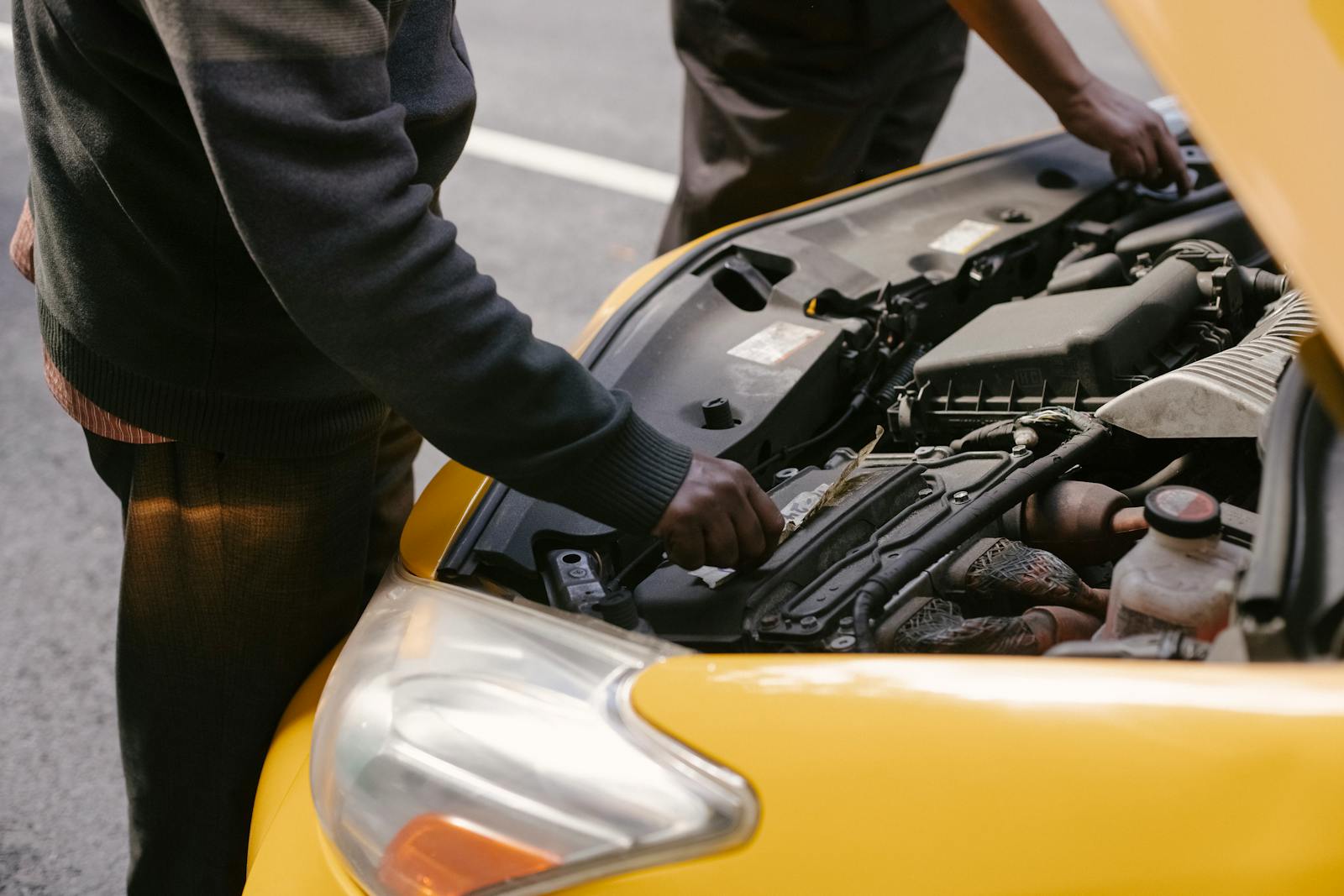

When a Toyota Camry owner in the Washington, D.C., area popped the hood after her car refused to start, she found a rat’s nest woven into the wiring harness and thousands of dollars in damage. She was not alone. Across the country and overseas, mechanics, insurers and frustrated drivers are confronting the same problem: rodents are chewing through the electrical systems of parked cars, and the repair bills are staggering.
What was once dismissed as a quirky, rare complaint has become a significant line item on insurance balance sheets. The trend is driven by a combination of urban rodent population growth, warmer winters and a materials change that may have made modern vehicles more appetizing to rats and mice than ever before.
Insurance claims are climbing fast
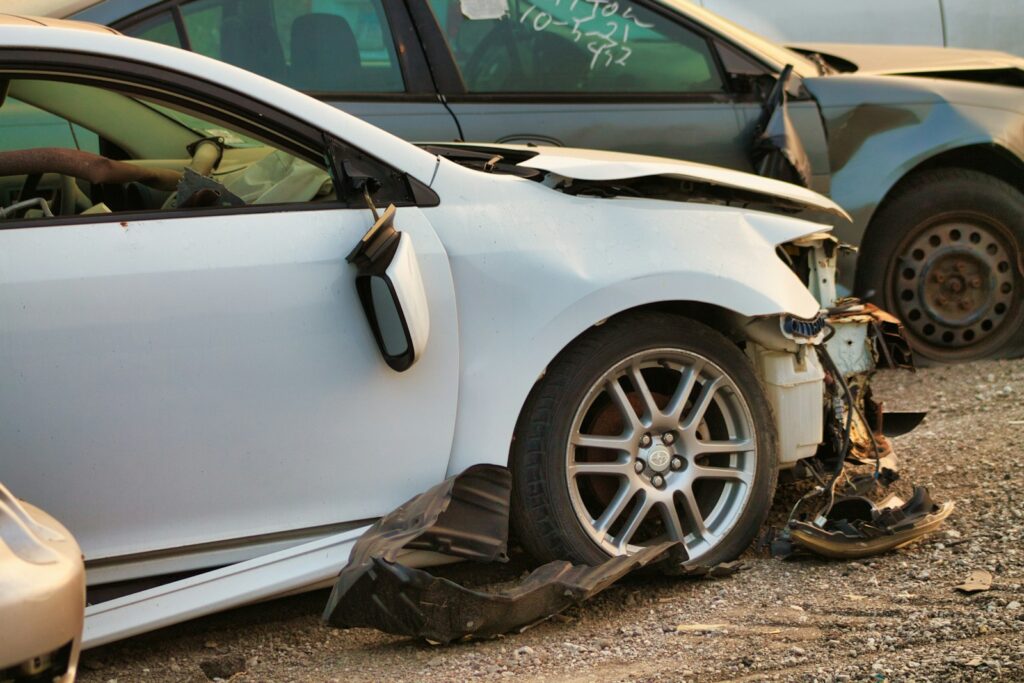
In the United Kingdom, insurer Aviva reported that rodent-related motor claims rose 28 percent in a single year, a spike the company attributed to milder winters and dense urban environments where rat populations flourish, according to Law360 reporting by Tom Fish. Aviva noted that damage ranged from gnawed wiring to compromised suspension components and gear mechanisms, as detailed in Yahoo Finance UK’s coverage of the trend.
In the United States, no single national figure captures the full scope, but the pattern is unmistakable. Local news stations from Milwaukee to Los Angeles to the mid-Atlantic have aired segments on drivers blindsided by rodent damage, and consumer advocates say the volume of complaints has grown steadily over the past several years.
Most of these claims fall under comprehensive auto insurance, the optional coverage that handles non-collision events like theft, vandalism and animal damage. Drivers who carry only liability coverage, or who have high deductibles on their comprehensive policies, often absorb most or all of the cost themselves.
Why modern cars are so appealing to rodents
The basic mechanics are straightforward. Rodents need warmth, shelter and material to gnaw on to keep their constantly growing teeth in check. A parked engine bay, still radiating heat after a drive, checks every box.
But a materials shift in the auto industry may have made the problem worse. Over the past two decades, many manufacturers moved from petroleum-based wire insulation to soy-based alternatives, partly to reduce reliance on fossil fuels. Multiple mechanics and pest-control professionals have pointed to this change as a factor. An NBC Washington investigation found that thousands of Toyota owners alleged in lawsuits that the soy-based coating on their wiring attracted rodents and led to repeated, expensive damage.
In Los Angeles, a Fox 11 segment featured mechanics who said they were seeing a clear uptick in cars with chewed soy-based wiring, with one technician noting that something about the material seemed to draw rodents back even after repairs. A Milwaukee-area mechanic told TMJ4 News that he was pulling nests out of engine bays on a regular basis, with damage to wiring, hoses and plastic fuel lines.
Toyota, Honda and other manufacturers have generally maintained that rodent damage is an environmental issue, not a product defect. Toyota has sold rodent-deterrent tape treated with capsaicin (the compound that makes chili peppers hot) as an accessory, but has not acknowledged a design flaw.
What the repairs actually cost
Repair bills vary widely depending on how long the rodents had access and which systems they reached. According to Kelley Blue Book, minor wire splicing and cleanup can run a few hundred dollars, but replacing an entire wiring harness or damaged control module can push costs well into the thousands.
A detailed cost breakdown from automotive repair resource Box-Kat illustrates how charges stack up: an electrical inspection and diagnosis alone can cost several hundred dollars, wire splicing and rewrapping typically falls in the $200 to $800 range, and connector or pigtail replacement adds more on top of that.
At the extreme end, some vehicles have been totaled. A WCPO Cincinnati report profiled an owner whose insurer declared her car a total loss after rodents destroyed the wiring, only for the animals to move on to a second vehicle in the same driveway. “Now, they have taken over her truck,” the report noted.
The legal battles have gone nowhere (so far)
Frustrated owners have tried to hold automakers accountable. The NBC Washington investigation documented class-action lawsuits against Toyota over soy-based insulation. Honda faced a similar case brought by a driver named Jay Caracci, who argued that the company’s warranty should cover rodent damage linked to its wiring materials. A Chicago Sun-Times report noted that a separate lawsuit against Honda pointed to a pattern of complaints filed with the National Highway Traffic Safety Administration (NHTSA).
As of early 2026, courts have largely sided with manufacturers, treating rodent intrusion as an environmental hazard rather than evidence of a defective product. That legal reality means the financial burden stays with vehicle owners and their insurers, reinforcing why comprehensive coverage matters for anyone parking in a rodent-prone area.
Where the risk is highest
Large cities face the worst of it. Aviva’s analysis found that higher population density, extensive sewer and drainage networks and aging infrastructure all create ideal conditions for thriving rat populations, which in turn increases the odds that parked vehicles become targets, as reported by Yahoo Finance UK.
But suburban and rural drivers are not immune. The Milwaukee mechanic featured by TMJ4 said his shop serves customers from surrounding communities, not just the city center. And local TV consumer segments from regions as varied as Virginia and Southern California suggest the problem follows rodent populations wherever food, water and shelter converge near parked cars.
What drivers can do right now
Prevention will not guarantee safety, but it meaningfully reduces risk. Kelley Blue Book and Carfax both recommend the following steps:
- Park in a garage when possible and keep the garage door closed. A sealed space is far less inviting to rodents than an open driveway.
- Remove food sources nearby. Bird feeders, pet food bowls and open trash bins near a parking spot are an invitation.
- Pop the hood and inspect regularly. Look for droppings, shredded material or nesting debris on or near the engine.
- Use deterrents. Options include peppermint oil sprays, ultrasonic devices, rodent-deterrent tape (Honda and Toyota both sell versions) and traditional snap traps placed around the vehicle.
- Check your insurance policy. Confirm that you carry comprehensive coverage and understand your deductible. If you live in a high-risk area, the cost of comprehensive may be far less than a single rodent repair bill.
For drivers who have already found damage, mechanics advise against ignoring warning signs like a check-engine light, unusual smells or a car that hesitates to start. The longer rodents occupy an engine bay, the more systems they can reach, and the higher the final bill climbs.
More from Wilder Media Group: