
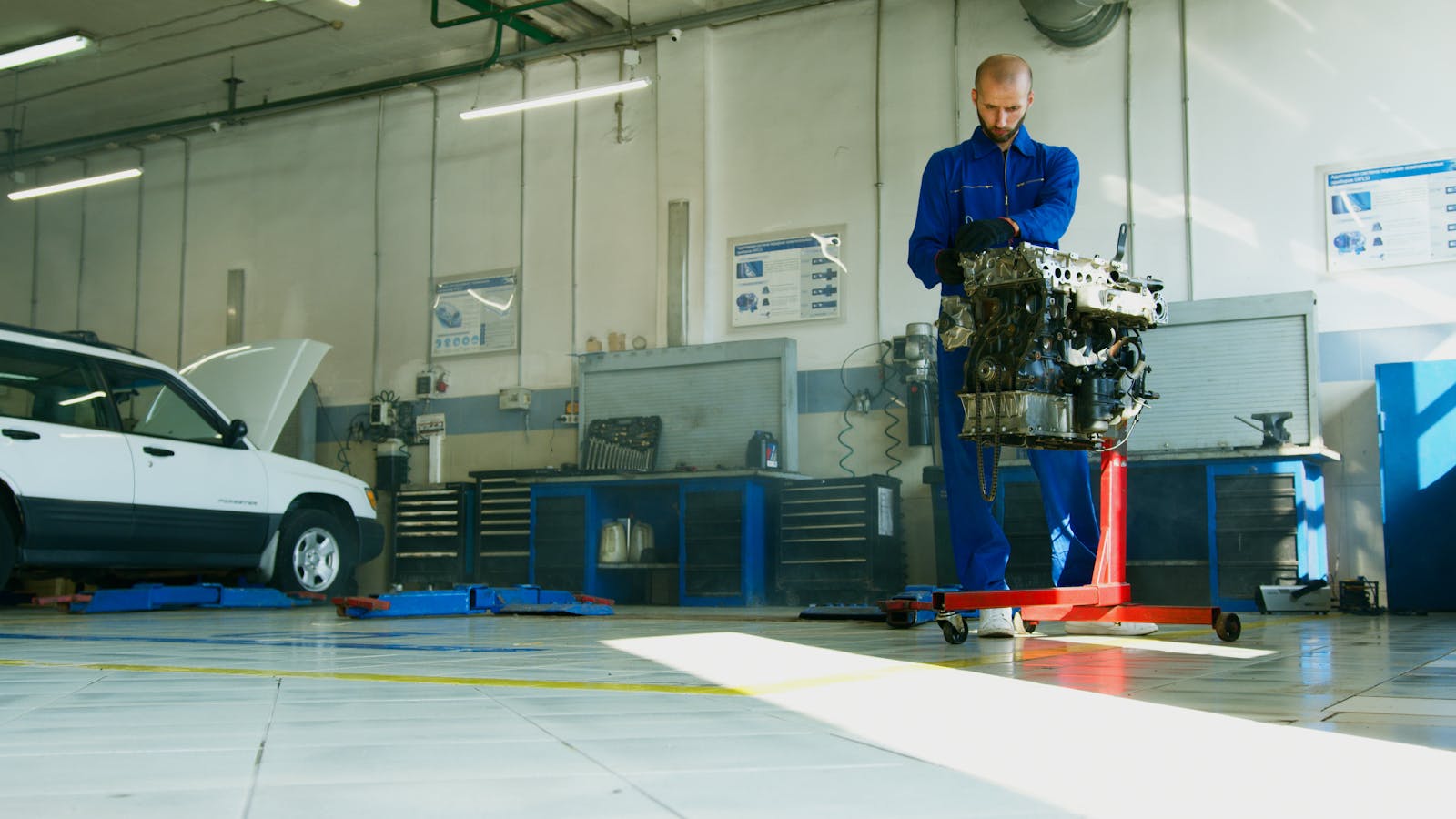

Most drivers only see the final result of automotive repair: a fixed vehicle, a printed invoice, and maybe a short explanation of what went wrong. What they rarely see is what happens behind the service bay doors while that repair is actually being handled. For technicians, service advisors, and parts staff, a typical workday can involve constant interruptions, missing components, miscommunication, and the pressure of getting vehicles back to customers quickly.
According to the U.S. Bureau of Labor Statistics, automotive service technicians and mechanics handle millions of vehicle repairs every year in the United States alone, often juggling multiple jobs at once while waiting on approvals, diagnostics, and parts deliveries.
What a Real Shop Day Looks Like
A recent video posted by @taillc shows a snapshot of how hectic a normal day inside a repair shop can actually be.
@taillc POV: Typical automotive shop
In the clip, the mechanic walks viewers through different roles inside the shop while moving between work areas. Technicians are shown working on vehicles while other parts of the operation struggle to keep up. At one point, attention shifts to the parts department, where locating the correct component becomes a bottleneck that slows everything down.
The video also highlights the back-and-forth that happens between technicians and service advisors, who are responsible for communicating with customers and approving additional work. Even small delays — like waiting for a part to arrive or confirming a repair with a customer — can stall an entire job while vehicles sit in service bays.
Why Repair Shops Can Feel Chaotic
Many drivers assume that once a car enters the shop, repairs move in a straight line from diagnosis to fix. In reality, the process is far less predictable.
Technicians often rely on several moving pieces before work can continue: diagnostic results, parts availability, customer approval, and sometimes additional inspections once the vehicle is disassembled. If any of those steps slow down, the entire workflow can stall.
Parts shortages and backorders have also become a major challenge in recent years. When a critical component isn’t available, vehicles may sit in the shop longer than expected, even when the technician already knows what needs to be repaired.
What Workers in the Industry Are Saying
The video quickly sparked discussion among viewers who work in automotive shops themselves.
Several commenters joked about how often the parts department becomes the unofficial gathering spot in the shop. One viewer wrote that their parts team sometimes sounds like a “podcast” conversation while still trying to keep orders moving.
Others pointed out that delays are rarely caused by just one department. Some mechanics said incorrect diagnoses can cost shops time and money, while others noted that waiting on customer approval can hold up simple repairs longer than expected.
For drivers, the clip offers a glimpse into something many customers never see: the constant coordination required to keep a repair shop moving, even when the day rarely goes according to plan.