
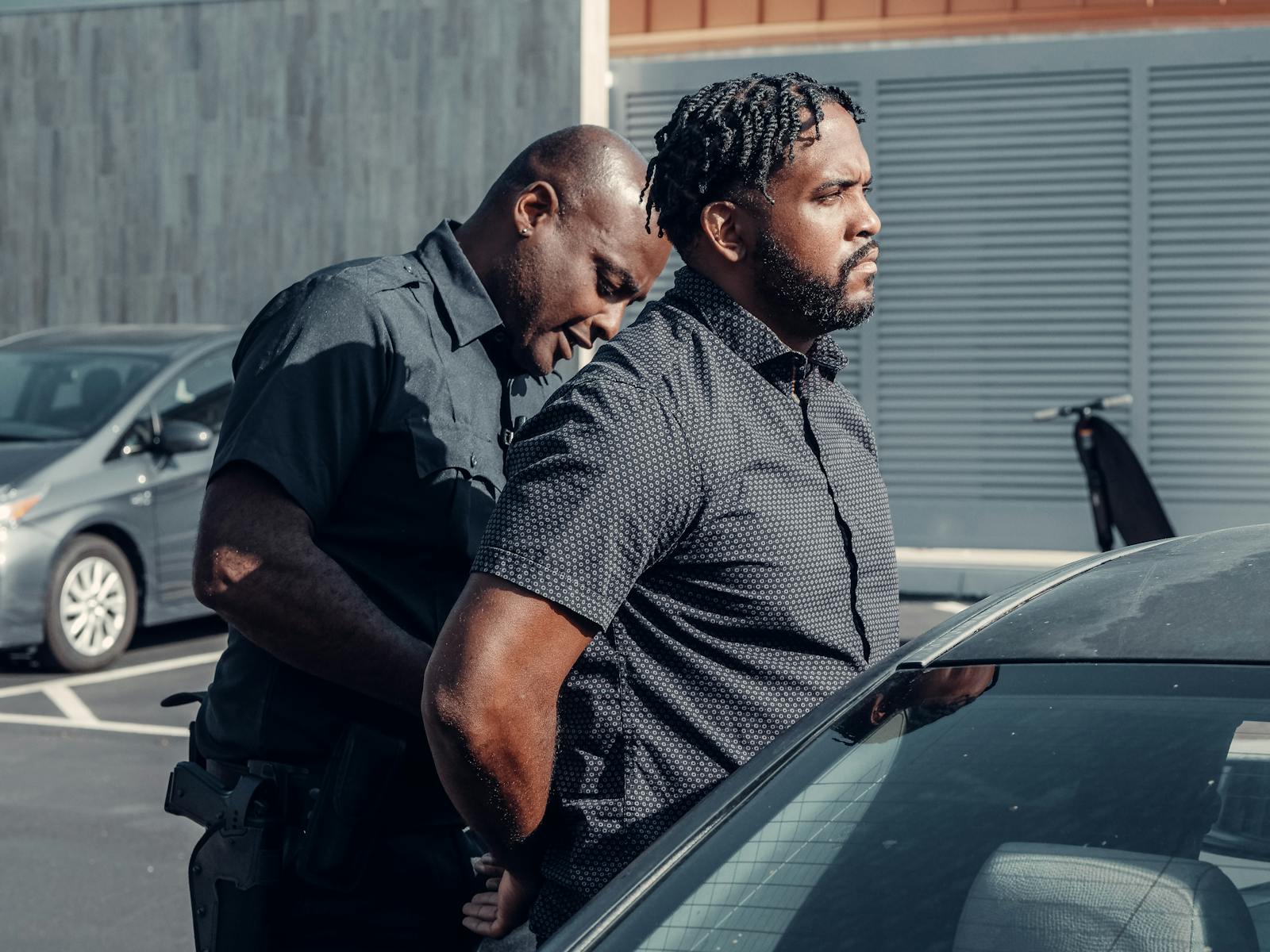

California is on track to replace some of the most lenient repeat-DUI laws in the country with some of the harshest. A package of bills moving through the state legislature in early 2026 would reclassify certain drunk-driving deaths as violent felonies, extend probation terms by years, and open the door to life sentences for the worst offenders under the state’s Three Strikes law.
The stakes are not abstract. According to the National Highway Traffic Safety Administration, alcohol-impaired driving kills roughly 13,000 people a year nationwide. California consistently ranks among the states with the highest raw totals. Lawmakers say the current legal framework lets repeat offenders cycle through misdemeanor court until someone dies.
Why California’s current threshold frustrates prosecutors

Under existing law, a DUI in California is generally charged as a misdemeanor for the first three offenses within a 10-year window. Only on the fourth conviction in that span does the charge automatically become a felony under Vehicle Code Section 23550. (A DUI that causes injury can be filed as a felony earlier under VC 23153, but prosecutors say that provision is narrower than many people assume.)
That four-strike structure has drawn criticism from victims’ families and district attorneys for years. As KPBS reported in February 2026, reformers argue the state treats repeat impaired driving as a slow-burn problem rather than an emergency. The new legislative package is designed to close that gap.
What the bills would change
The centerpiece is Assembly Bill 366, which would add vehicular manslaughter committed with gross negligence to California’s official list of violent felonies under Penal Code Section 667.5(c). That single reclassification triggers a cascade of consequences: longer prison terms, restricted early-release credits, and, critically, a “strike” under the Three Strikes law. For a defendant who already carries prior strikes, a conviction could mean 25 years to life.
A companion measure, AB 1087, targets probation. Current law caps post-conviction supervision for vehicular manslaughter while intoxicated (often called VMI) at a set number of years. AB 1087 would significantly extend that ceiling, as Fox 11 Los Angeles reported, keeping offenders under court oversight for a longer stretch after a fatal crash.
A third bill, AB 382, addresses license suspensions and ignition interlock requirements, tightening the rules that govern when and how a convicted drunk driver can legally get back on the road.
Together, the three measures form what a bipartisan group of Assembly members has called the most significant DUI crackdown in decades. LAist’s coverage noted that sponsors framed the package as a direct warning to anyone who assumes another drink is worth the risk of driving home.
How a life sentence actually becomes possible
Headlines about “life in prison for DUI” sound extreme, but the legal pathway is real once vehicular manslaughter with gross negligence counts as a strike. California’s Three Strikes law, enacted by voters in 1994 and modified by Proposition 36 in 2012, allows a sentence of 25 years to life when a defendant is convicted of a new serious or violent felony and already has two or more prior strikes on their record.
That scenario is narrow. It would not apply to a first-time offender or even most repeat DUI defendants. But for someone with a history of serious felony convictions who then kills a person while driving drunk, the reclassification in AB 366 would put a life sentence on the table. CalMatters’ investigation into the reform package confirmed that sponsors intend the harshest penalties to apply to defendants whose records show a pattern of dangerous behavior.
Defense attorneys and civil liberties organizations have pushed back. Their argument: gross negligence, while reckless, is not the same as intentional violence, and labeling it as such could sweep in defendants whose conduct, while devastating, does not match what most people picture when they hear “violent felony.” Those objections have begun surfacing in committee hearings, though they have so far been overshadowed by the political momentum behind the bills.
Tighter rules that kick in long before a fatal crash
The package is not limited to worst-case scenarios. Several provisions target drivers well before anyone is killed.
California’s Department of Motor Vehicles has already flagged a slate of new 2026 laws that raise fines, adjust license suspension procedures, and expand the state’s speed-camera pilot program at select intersections. While the camera provisions are separate from the DUI bills, they reflect the same legislative appetite for stricter road-safety enforcement.
Lawmakers have also floated the idea of “no alcohol sale” restrictions for repeat offenders, which would bar certain convicted drunk drivers from legally purchasing alcohol. The concept appeared in a News from the States report on the broader package, though as of March 2026 it has not been attached to a specific bill number. If formalized, it would represent one of the most aggressive post-conviction restrictions any state has attempted for DUI offenders.
The political landscape: grief, anger, and bipartisan support
The bills have drawn unusually broad support in Sacramento. Sponsors include members of both parties, and the framing has been deliberately personal. Press conferences have featured families who lost relatives to drivers with multiple prior DUI arrests, a tactic that makes it politically costly for opponents to argue for restraint.
News from the States described the rollout as “unprecedented,” and that word has stuck. Mothers Against Drunk Driving (MADD), which has long pushed California to toughen its repeat-offender laws, has signaled support for the direction of the package, though the organization has not publicly endorsed every provision.
Public sentiment appears to be running in the same direction. Comment sections, social media threads, and legal-commentary channels on YouTube have been overwhelmingly in favor of harsher penalties. One legal commentator’s February 2026 breakdown of the bills on the channel Leato’s Law drew thousands of comments, most echoing the same frustration: people are tired of reading about drunk drivers who walk away from crashes that kill families.
Still, the debate is not settled. Critics point out that California has tried “tough on crime” approaches before, and that long sentences without robust treatment programs can fail to reduce recidivism. Alcohol addiction is a medical condition, they note, and incarceration alone does not cure it. Whether the final versions of these bills include meaningful funding for treatment and intervention remains an open question as they move through committees.
What this means for everyday drivers
For the average Californian, the practical message is straightforward. The state is lowering the threshold at which a DUI can become a life-altering felony. The old four-in-10-years line between misdemeanor and felony is no longer the only boundary that matters. A single drunk-driving crash that kills someone could now carry violent-felony consequences, and the supervision that follows a conviction is set to last longer and reach further.
Even without a fatal crash, the combination of extended probation, potential alcohol-purchase restrictions, mandatory ignition interlocks, and stricter license rules means one bad night can follow a driver for years. The bills are expected to move through committee hearings in spring 2026, with floor votes possible by summer. If signed into law, most provisions would take effect on January 1, 2027.
More from Wilder Media Group: