


BMW is recalling roughly 575,000 vehicles worldwide over a starter motor defect that can lead to engine bay fires. About 87,000 of those vehicles are registered in the United States, spanning model years 2019 through 2022. The recall, announced by BMW Group in February 2026, also pulls in the Toyota GR Supra because it shares a powertrain platform with the BMW Z4.
The automaker has committed to repairing every affected vehicle at no cost. Owners who notice hard starting, slow cranking, or a complete failure to turn over should contact their dealer promptly and avoid repeated start attempts until the fix is completed.
The Defect: What Goes Wrong Inside the Starter
According to BMW’s recall filing, internal components in the starter motor assembly can degrade over time and produce electrical arcing. That arcing generates heat, which can damage wiring insulation and surrounding materials in the engine compartment. In a worst-case scenario, the combination of heat and degraded insulation can cause a fire, even when the vehicle is parked.
The National Highway Traffic Safety Administration (NHTSA) has classified the issue as a safety defect requiring prompt attention. BMW told regulators it identified the problem through warranty data and field reports, though the company has not publicly disclosed how many fire incidents, if any, have been confirmed.
Which Models and Years Are Covered
The recall spans a broad cross-section of BMW’s lineup from the 2019 through 2022 model years. Based on dealer and regulatory documentation, affected models include:
- BMW 3 Series (G20/G21 sedans and wagons)
- BMW 5 Series (G30/G31 sedans and wagons)
- BMW X3 (G01)
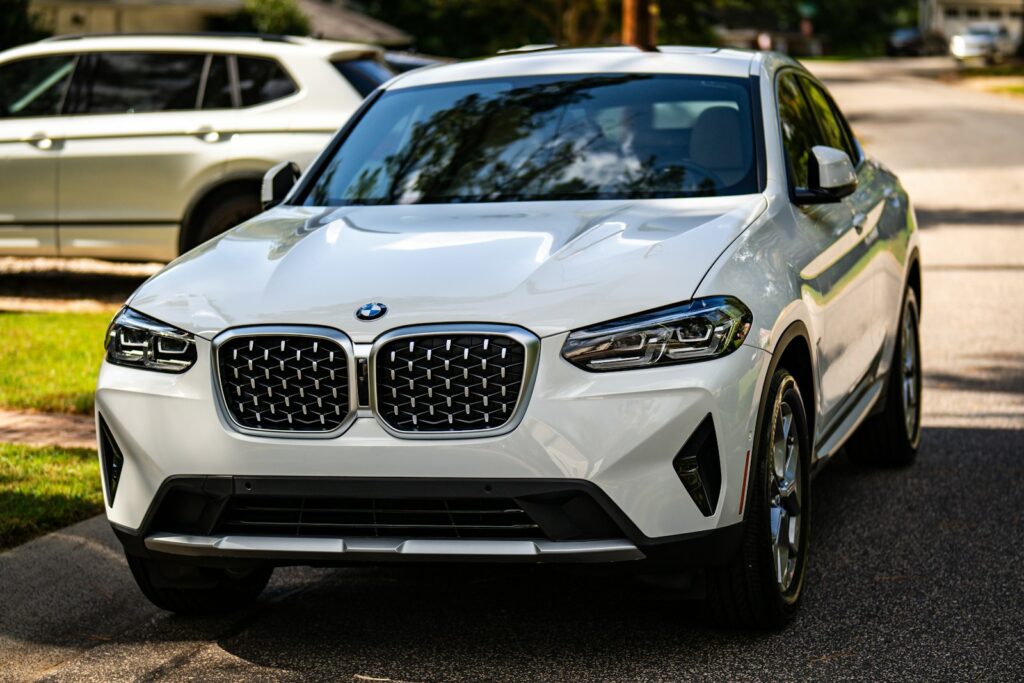
- BMW X4 (G02)
- BMW Z4 (G29)
- Toyota GR Supra (A90, due to its shared B58 engine and starter architecture with the Z4)
The Toyota connection matters because the GR Supra’s inline-six powertrain is engineered and built by BMW. That means the same starter motor assembly sits in both cars. Toyota has issued its own recall notice for affected Supra owners, and repairs will likewise be free of charge.
Warning Signs Drivers Should Watch For
A fire is the extreme outcome. Long before that point, most drivers will notice the engine becoming harder to start. The typical progression, according to technical briefings reviewed by automotive outlets covering the recall, looks like this:
- Sluggish cranking: The engine turns over more slowly than usual, especially in cold weather.
- Intermittent no-start: The car occasionally fails to start on the first attempt but catches on a second or third try.
- Complete failure to start: The starter motor stops engaging entirely.
- Potential fire risk: Repeated start attempts on a degraded starter can generate enough heat and arcing to ignite nearby insulation or wiring.
BMW advises owners who experience any of these symptoms to stop attempting to start the vehicle and arrange a tow to an authorized dealer rather than risk escalating the fault.
What BMW and Regulators Are Doing
Dealers have been instructed to replace the faulty starter motor and inspect related wiring and heat shielding on every affected vehicle. BMW has also directed dealers to hold any unsold inventory covered by the recall until repairs are completed, a standard “stop-sale” measure for safety campaigns of this severity.
Owner notification letters began going out in late February 2026, according to BMW Group’s announcement on February 11. In the U.S., NHTSA requires that all registered owners of affected vehicles receive a mailed notice within 60 days of the recall’s filing date. Owners who have not received a letter but believe their car may be affected should not wait for one.
How to Check If Your Car Is Affected
The fastest way to confirm whether your vehicle is included is to search by VIN on the NHTSA recall lookup page, which covers all federally mandated recalls and lets you search by VIN, license plate, or year/make/model. The tool is free and updated as manufacturers file new campaigns.
Brand-specific tools are also available:
- BMW owners (U.S.): Visit bmwusa.com/recall and enter your VIN.
- BMW owners (U.K.): Use the BMW UK vehicle recalls page and enter your registration number.
- Toyota Supra owners: Check toyota.com/recall or call Toyota’s customer support line at 1-800-331-4331.
Your 17-character VIN is printed on a metal plate visible through the lower-left corner of the windshield and is also listed on your registration card and insurance documents.
Why This Recall Stands Out
BMW issues dozens of recalls in any given year, most of them narrow in scope. This one is notable for three reasons. First, the sheer volume: 575,000 vehicles across multiple continents makes it one of BMW’s larger campaigns in recent memory. Second, the fire risk classification elevates it above typical “fix at your convenience” recalls; NHTSA treats fire hazards as among the most urgent safety defects. Third, the cross-brand reach into Toyota’s lineup underscores how platform-sharing in the modern auto industry can amplify a single supplier-level defect across brands that consumers think of as entirely separate.
For owners, the bottom line is straightforward: check your VIN, schedule the free repair, and avoid repeated start attempts if your engine is already showing signs of trouble. The fix itself is a relatively quick dealer visit, but ignoring the notice is not worth the risk.
More from Wilder Media Group: